
Last updated November 25, 2026
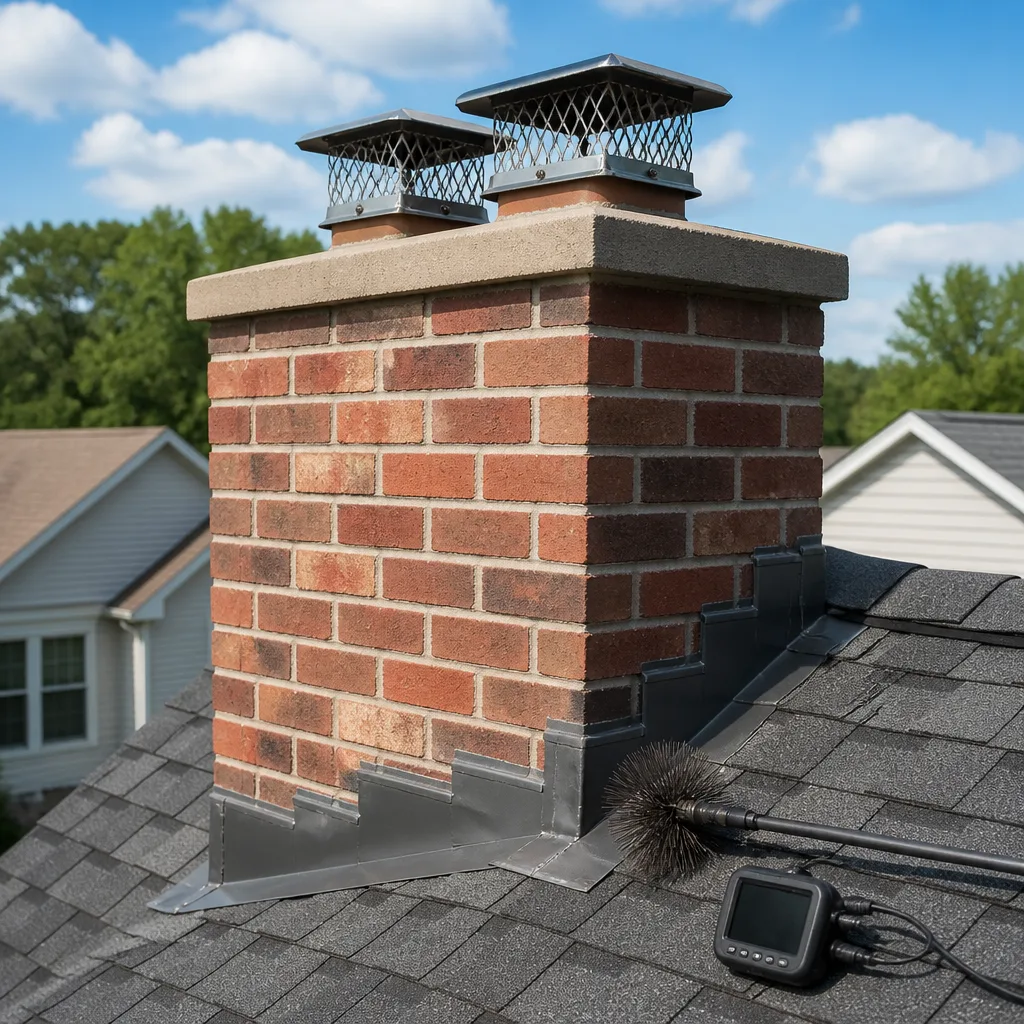 Sweep & inspection
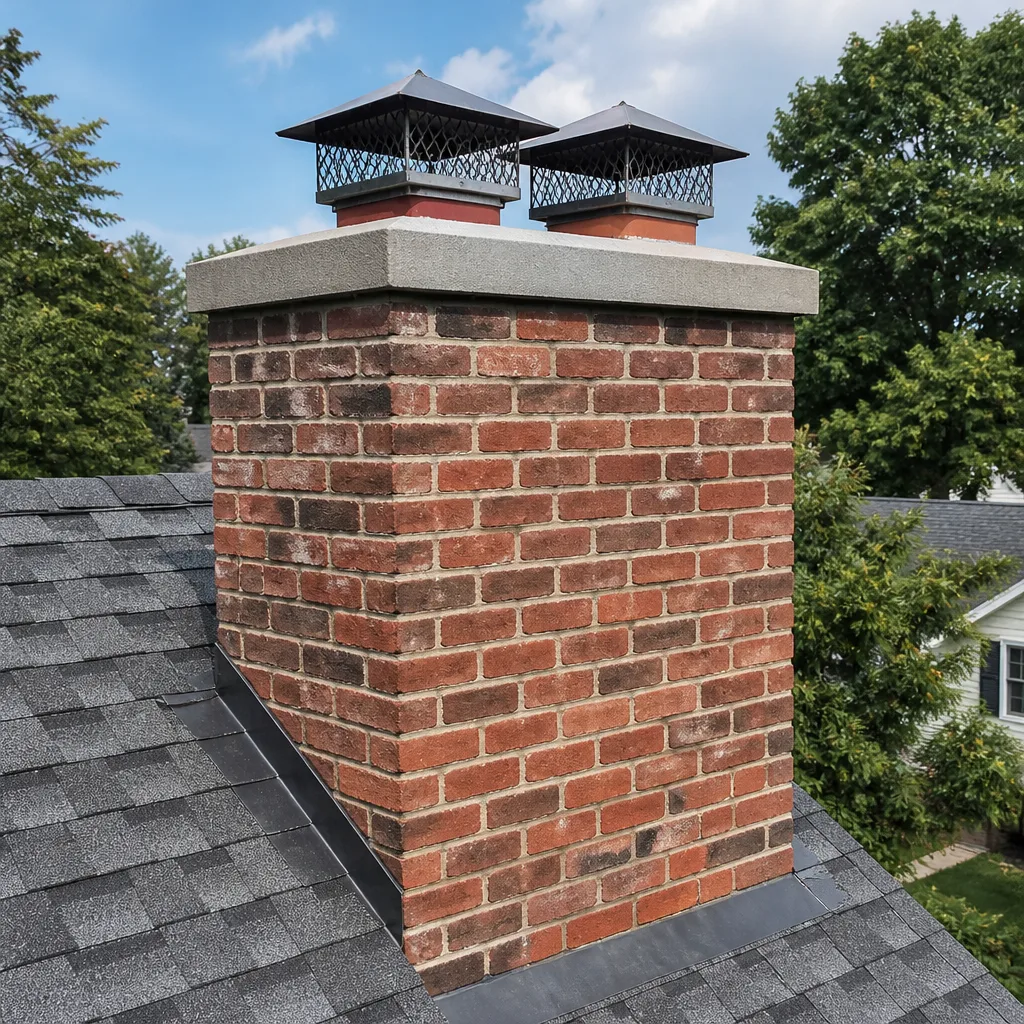 Caps & crowns
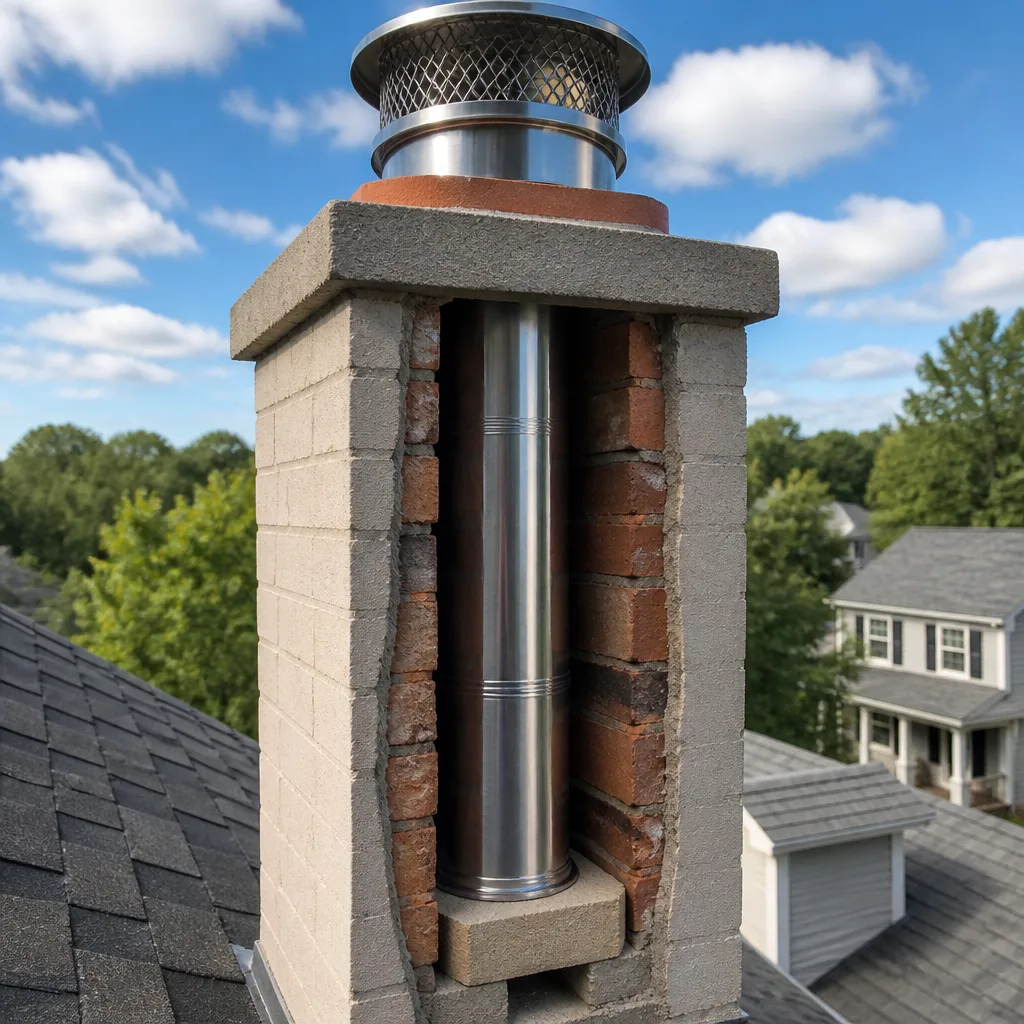 Flue relining
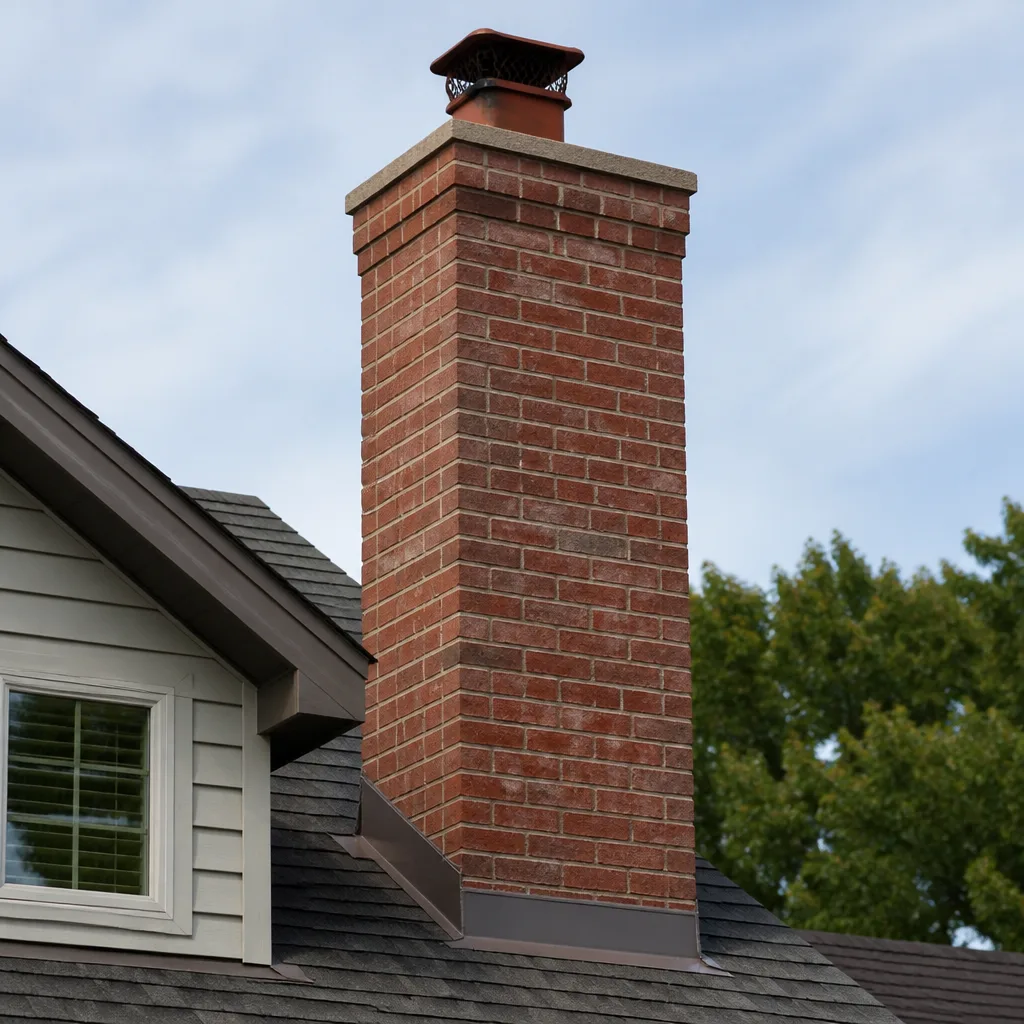 Masonry repair
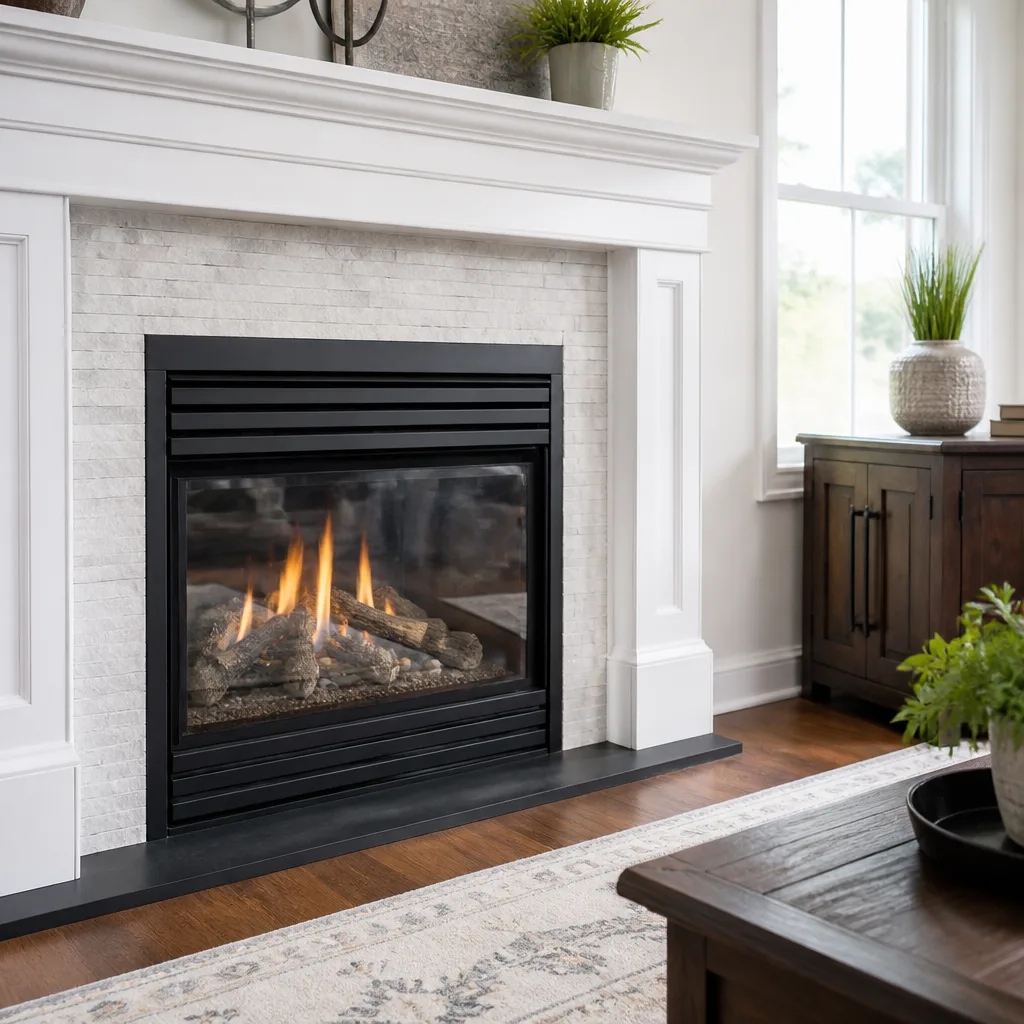 Gas fireplace service
Level 1 sweep and inspection to the NFPA 211 annual standard - flue, crown, cap, and flashing checked and photographed
Chimney sweep logs do not sweep chimneys. They loosen some creosote - which then falls where a brush and vacuum still have to collect it.
Chimney Sweep Maintenance Checklist for Broomfield Homeowners
A cracked chimney crown and a dirty firebox damper both show up on most maintenance checklists, yet one is a cosmetic priority and the other is a fire-season emergency. That difference is where a useful checklist separates itself from a printout you ignore. Most guides hand you a list of things to “look for” without telling you what those things mean, which ones you can safely watch yourself, and which ones need a trained eye on the roof. This checklist draws that line explicitly for each item. You’ll learn what to check, what to photograph, which Broomfield climate patterns push hardest on your chimney, and how often to book real service based on what you burn.
Quick Answer
A solid chimney maintenance checklist for a Broomfield homeowner covers three tiers: visible items you check yourself (damper operation, cap condition, efflorescence, animal entry), service items that require a sweep (creosote removal, flue inspection, smoke chamber cleaning), and structural items that need a specialist (liner repair, crown rebuild, firebox restoration). Wood burners get swept and inspected annually, gas fireplaces are inspected annually too but swept less often, and pellet stoves follow the manufacturer’s flue-cleaning interval because ash volume runs higher than wood.
Styles & brands we work with
- Sweep & inspection
- Caps & crowns
- Flue relining
- Masonry repair
- Gas fireplace service
Table of Contents
- Why Broomfield Chimneys Age Differently
- Tier 1: What Homeowners Can Check Safely
- Tier 2: What Requires a Sweep
- Tier 3: What Requires a Specialist
- Know Your Components: What Each Part Does
- The Photo Record You Should Build Before Every Visit
- How Often to Book Service by Fuel Type
- Common Mistakes to Avoid
- When to Call a Professional
- Frequently Asked Questions
Why Broomfield Chimneys Age Differently
Broomfield sits in the Front Range’s freeze-thaw cycle, where a warm afternoon followed by a hard night is routine through much of winter and early spring. Masonry absorbs snowmelt into small pores, that moisture freezes and expands, and the cycle repeats. This is why chimney crowns in Broomfield develop hairline cracks that start cosmetic and finish structural. A crown that sheds water properly lasts far longer than one that soaks it up and freezes over and over.
Three climate-specific indicators show up on Broomfield chimneys more than homeowners expect:
- Efflorescence – the white, chalky staining on exterior brick. It’s a visible sign that water is moving through the masonry, not just sitting on the surface. If you see it reappearing after scrubbing, moisture is still finding a path in.
- Crown cracking from freeze-thaw – look at the sloped concrete or mortar cap on top of your chimney. Vertical or spiderweb cracks that widen over a season tell you water is getting behind it.
- Animal entry after warm winters – Broomfield’s warmer stretches bring birds and squirrels looking for shelter, and an uncapped or damaged cap becomes an entry point. Nesting material in the flue is a genuine draft and fire problem, not just a nuisance.
These three items are the ones most likely to get missed by a cleaner who runs a brush and leaves. Cap and crown failure are the leading drivers of premature chimney deterioration across Broomfield, and both are directly tied to water. We inspect before we recommend, every time, because a crown crack and a dirty damper call for very different responses and very different urgency.
Tier 1: What Homeowners Can Check Safely
These are the items you can handle yourself without a ladder and without risk. Nothing here requires you to reach into the firebox or climb onto the roof. Safety first: if checking something means touching a hot surface, leaning over a steep roof, or reaching inside a flue, stop and leave it to a trained professional. Chimney work involves real hazards, and a bad fall or a burn is far worse than a missed inspection item.
Follow this quick self-check once a month during burn season:
- Open and close the damper with the fireplace cold. It should move smoothly and seat flat when closed. A damper stuck open wastes heat; one stuck closed pushes smoke into the room.
- Look up the flue from the hearth with a flashlight. You’re checking for visible creosote buildup (black, crusty, or shiny glaze), noticeable blockages, or daylight gaps that shouldn’t exist.
- Inspect the cap and spark arrestor from ground level with binoculars. Look for a missing cap, bent mesh, or visible nesting debris. Don’t climb the roof to check.
- Scan the exterior brick for efflorescence, new spalling (flaking faces), or cracks that have widened since your last look.
- Check the firebox interior for loose firebrick, crumbling mortar joints, or white staining that suggests moisture or heat damage.
- Notice smoke behavior in the room. A fireplace that used to draft cleanly and now doesn’t is telling you something changed inside the flue.
Write down anything you notice and snap a photo. That record becomes your reference when you book a chimney sweep in Broomfield, and it lets you compare what you saw against what the technician finds.
Tier 2: What Requires a Sweep
These items sit past the homeowner line. They involve the flue interior, the smoke chamber, or the firebox at depth, and each year of neglect compounds the problem. Creosote is the headline concern: it builds in three forms (sooty, crusty, and glazed), and glazed creosote burns hot enough to start a chimney fire. That’s a fire risk, not a cosmetic concern, and it’s the reason annual sweeping earns its place on any serious checklist.
A professional sweep in Broomfield covers, at minimum:
- Full removal of creosote and soot from the flue, firebox, and smoke shelf
- A visual inspection of the flue liner, damper, and smoke chamber during the cleaning
- Checking the cap and crown for damage while on the roof
- A report of what was found, with photos where it matters
Carbon monoxide risk matters even more for gas fireplace owners. A gas appliance burns clean at the firebox but still needs a clear, intact flue to vent combustion byproducts safely. A blocked or damaged flue on a gas fireplace is a real CO hazard that has nothing to do with creosote volume. That’s why inspection is offered as a standalone service here, not just a checkbox before an upsell: a diagnostic-first pass tells you what condition your system is in, and then you decide what work happens next.
Tier 3: What Requires a Specialist
Structural items are where a general sweep stops and specialist work begins. A cracked crown, a deteriorated liner, a damaged firebox, or a failed mortar joint all fall here. So does anything involving the flue liner joints, because a failed liner joint can leak combustion gases into the home framing without any visible sign in the firebox.
The specialist tier typically includes:
- Liner repair or relining – when the existing liner is cracked, spalled, or improperly sized. We use DuraFlex and Olympia Chimney liner systems because they’re trade-grade lines that require product knowledge to spec correctly.
- Firebox restoration – when mortar joints in the firebox have deteriorated. HeatShield application restores fireboxes and liner joints to a smooth, sealed surface; it’s a restorative technique beyond basic sweeping that many sweep-only companies can’t offer.
- Crown rebuild or repair – when cracks have gone deeper than surface mortar and the crown no longer sheds water.
- Full cap replacement – when an existing cap is too small, corroded, or missing mesh. Gelco and Famco caps are what we spec because they fit the flue correctly.
- Smoke chamber parging – rounding out the rough interior of the smoke chamber so smoke moves up the flue efficiently and creosote doesn’t collect in corners.
These items can be deferred when the damage is limited and water isn’t actively getting in, and we say so plainly when they can wait. What can’t wait is anything involving a compromised flue liner on an active wood-burning appliance. That’s a documented fire risk, and it’s the difference between “book this when convenient” and “don’t burn until this is resolved.”
Know Your Components: What Each Part Does
A checklist is only as useful as your understanding of what you’re looking at. Here’s a plain-language rundown of the six main chimney components and their maintenance role.
- Damper – the metal plate at the top of the firebox that opens and closes the flue. It regulates draft and seals the chimney when the fireplace is idle. Sticking, warping, or failing to seat are all maintenance flags.
- Smoke chamber – the tapered space directly above the damper that funnels smoke into the flue. Rough or deteriorated chamber walls collect creosote and slow draft. It gets inspected and often parged during a professional sweep.
- Flue liner – the protective inner wall of the chimney that contains combustion gases and heat. It’s the single most critical safety component. A cracked or missing liner is a fire and CO risk and needs a specialist.
- Crown – the sloped cap of mortar or concrete at the very top that deflects water away from the chimney body. When the crown cracks, water enters the masonry and freeze-thaw damage begins.
- Cap – the metal cover with mesh sides that sits above the flue opening. It keeps rain, snow, birds, and squirrels out while letting exhaust escape. A missing or damaged cap is the most common reason Broomfield chimneys develop interior moisture and nesting problems.
- Firebox – the interior chamber where the fire sits. Firebrick and mortar joints in the firebox take the highest heat load in the system and are where HeatShield restoration earns its place when joints deteriorate.
Knowing which component is failing tells you which tier of the checklist the problem lives in: homeowner-visible, sweep-required, or specialist-required.
The Photo Record You Should Build Before Every Visit
Before we arrive for any sweep or inspection, take photos. This isn’t bureaucratic; it’s protective. Your photo record becomes evidence of the chimney’s condition at a point in time, and it matters in two situations: an insurance claim after a chimney fire or water intrusion, and a “was this already like this?” question about damage before repair work starts.
Here’s what to photograph before each visit:
- Exterior chimney from ground level – front and side views, capturing the crown, cap, and brickwork. Use a phone zoom rather than a ladder.
- Firebox interior – all four sides and the back wall with a flashlight. Note the date and any loose firebrick or mortar joints.
- Damper position – open and closed, so there’s no debate about its operating condition.
- Creosote buildup – a flashlight shot up the flue showing the present layer, if you can get one safely from the hearth. Don’t reach in.
- Any new cracks, staining, or efflorescence on the brick.
- The cap and mesh – a zoomed shot of the top if your phone camera reaches it.
Keep the files on your phone or a cloud folder labeled by date. When you compare a photo from this year against one from two years ago, you can see whether a hairline crown crack has widened or held steady. That comparison is the difference between choosing repair because it’s genuinely needed and paying for it because someone said so. This is part of why inspection is offered as a standalone service: we put the diagnostic in front of you as a report you can review, not as a pitch.
How Often to Book Service by Fuel Type
The one-size-fits-all “annual” rule is a starting point, not the whole answer. Fuel type changes the service interval meaningfully, and a Broomfield homeowner running a gas fireplace has a very different maintenance rhythm from one burning cordwood all winter. Here’s how the intervals break down.
- Wood-burning fireplace or stove – Sweep and inspect annually. If you burn frequently or use unseasoned wood, sweep at least once a year and inspect the flue mid-season if creosote looks heavy. Glazed creosote means stop burning until it’s removed.
- Gas fireplace – Inspect annually for venting, CO risk, and component condition. Sweeping is triggered by inspection findings rather than a fixed annual schedule because gas produces much less creosote.
- Pellet stove – Follow the manufacturer’s recommended flue-cleaning interval; ash volume is higher than wood and clogs happen faster. Annual professional service plus the manufacturer’s cleaning schedule is the working rule.
Beyond fuel type, three additional triggers earn an out-of-cycle visit:
- You’ve moved into a Broomfield home and don’t know when the chimney was last serviced. Book an inspection before your first fire.
- You’ve had a chimney fire, even a small one. A fire can crack a liner invisibly; inspection is non-negotiable afterward.
- You notice water entry, animal nesting, or a new draft problem. Those are structural flags, not maintenance intervals.
When you’re weighing whether a repair can wait, that inspection report is what tells you. Work that can safely wait for the next opening is told to you plainly, and nothing gets recommended without evidence you can see. Call (866) 947-9222. We answer 24/7. Fast dispatch from 7am to 7pm, Sunday through Friday.
Common Mistakes to Avoid
- Skipping inspection because the fire “looks fine.” A clean-burning fire tells you nothing about the flue liner or smoke chamber behind it. Liner damage and glazed creosote are invisible from the firebox.
- Leaving the chimney uncapped through a warm winter. Broomfield’s milder stretches invite birds and squirrels in. Nesting material in the flue is a genuine fire and draft hazard, and a cap is the simplest fix.
- Treating a crown crack as cosmetic. A hairline crack today is a widening crack after a freeze-thaw season. Water enters, freezes, and pushes the masonry apart, which turns a small repair into a crown rebuild.
- Burning unseasoned or green wood. It produces more creosote per burn than properly dried wood, and creosote is the fuel for chimney fires. It also costs you more heat per dollar.
- Hiring a general handyperson to sweep. Sweeping and inspection require a trained eye and proper tools. A generalist who “also does chimneys” is likely to miss a damaged liner joint because they don’t know what to look for.
- Ignoring a gas fireplace’s venting. Gas produces almost no creosote, which lulls owners into skipping inspections. But a blocked gas flue is a genuine carbon monoxide hazard, and annual inspection is what catches it.
- Not keeping a photo record. Without before-and-after photos, you can’t verify damage claims and you can’t support an insurance claim if something goes wrong. Six photos before each visit is cheap protection.
When to Call a Professional
Call when you see or smell any of the following: creosote buildup in the flue, a fireplace that smokes into the room instead of up the chimney, visible crown or cap damage, white efflorescence reappearing on the brick, animal nesting material, or a firebox with loose firebrick and crumbling mortar. Call immediately if you’ve had a chimney fire or if you smell gas near a gas fireplace. And call before your first fire in a home you’ve just moved into, since you don’t know the service history.
Chimney and fireplace work involves high heat, combustion gases, and roof access, so it’s worth hiring a trained professional rather than attempting it yourself. Broomfield Chimney Sweep offers free estimates in Broomfield – call (866) 947-9222 for an exact quote. Estimates are free, and the written estimate sets the final price.
Frequently Asked Questions
A chimney sweep in Broomfield is priced per job based on what the inspection finds and the size of the flue, so there’s no single rate. What you should expect from any honest quote: the price is set by a written estimate before work starts, and it covers the sweep and a visual inspection. Call (866) 947-9222 for an exact quote – estimates are free.
Only when the existing liner is genuinely cracked, spalled, or improperly sized for the appliance. A liner is the critical safety component that contains heat and combustion gases, so a failed liner is a real fire and CO risk that can’t be deferred. But “we found a problem” isn’t enough – you should be shown the evidence, usually a camera image or photo, before you agree. Nothing gets recommended here without evidence you can see for yourself. Call (866) 947-9222 to book an inspection.
Sweep a wood-burning fireplace or stove annually, inspect a gas fireplace annually even though it produces little creosote, and follow the manufacturer’s flue-cleaning interval for a pellet stove. Any chimney with heavy or glazed creosote gets swept sooner, regardless of the calendar. Call (866) 947-9222 and we’ll help you set the right interval for your fuel type.
Two risks build quietly. Creosote accumulates and, in its glazed form, can fuel a chimney fire. Separately, an uncapped or damaged crown lets water into the masonry, which freeze-thaw cycles push apart, and a compromised flue liner can leak combustion gases into the home. None of these show obvious signs from the firebox until they’re advanced. Book an inspection at (866) 947-9222 to know what condition your Broomfield chimney is actually in.
Yes, when water isn’t actively entering and no safety component is compromised, we tell you plainly that the work can wait. A slightly worn crown or a cosmetic crack that’s holding steady is different from a failed liner, and we draw that line for you rather than pushing all of it into one quote. The written estimate sets the price, and the decision on timing is yours. Call (866) 947-9222 with your photos and questions.
Not directly. A cracked crown is a water-intrusion problem, not a fire problem, which is why it often lands lower on the priority list than a compromised liner. But it isn’t cosmetic either: water entering through crown cracks drives freeze-thaw damage and shortens the life of the chimney. Book a chimney repair assessment at (866) 947-9222 to find out how deep the crack runs.
The Bottom Line
A useful Broomfield chimney maintenance checklist sorts problems by tier, not by whether they appear on a generic list. Check your damper, cap, brick, and firebox safely from the ground and the hearth. Leave the flue, smoke chamber, and structural work to trained professionals. Build a photo record before every visit so you can tell what changed and back it up if an insurance claim ever comes up. Match your service interval to your fuel type rather than trusting a blanket annual rule. And when you’re weighing whether a repair can wait, ask for evidence you can see – that’s the standard we work to at Broomfield Chimney Sweep, from your first annual chimney sweep through full fireplace repair and chimney repair, with the same single-source care from diagnosis to finished work.
Call (866) 947-9222 for a free estimate. We answer 24/7. Fast dispatch from 7am to 7pm, Sunday through Friday.
Written by the team at Broomfield Chimney Sweep.
See the difference
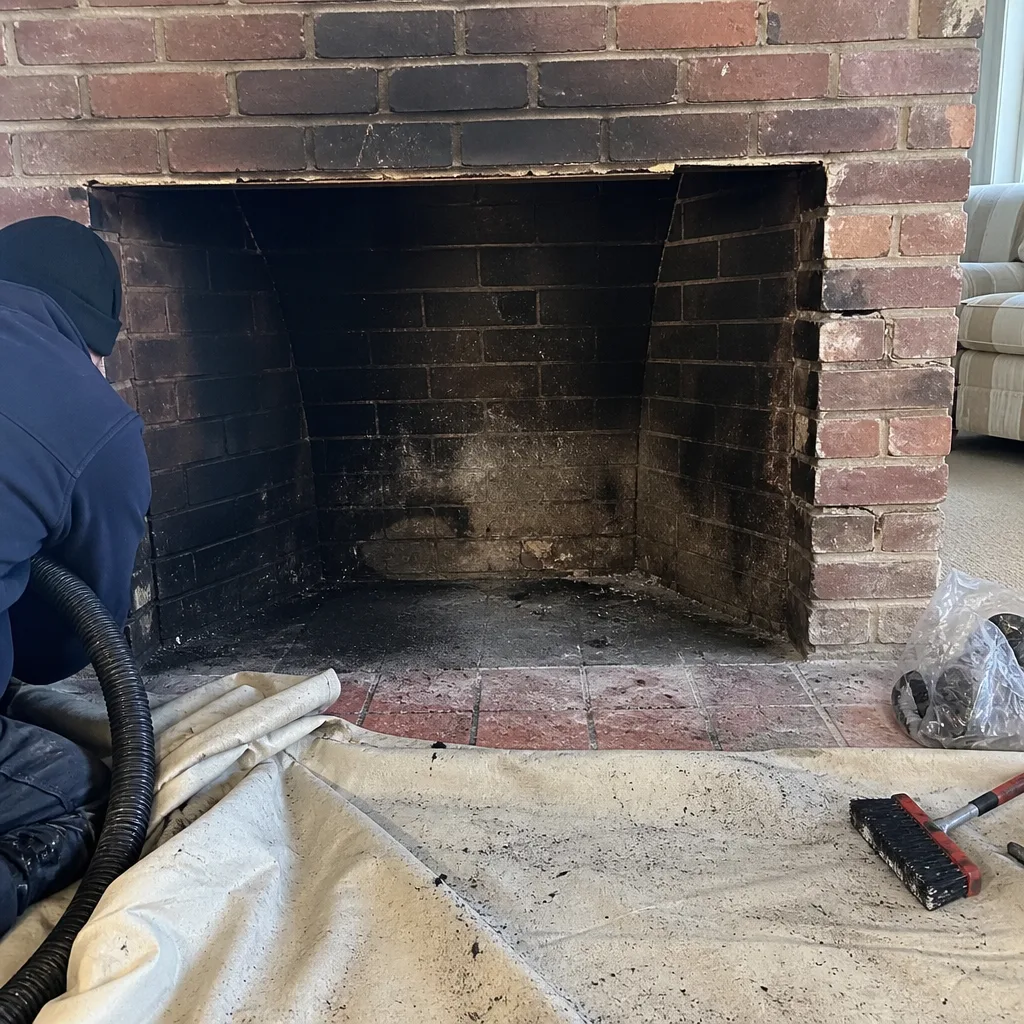 Before
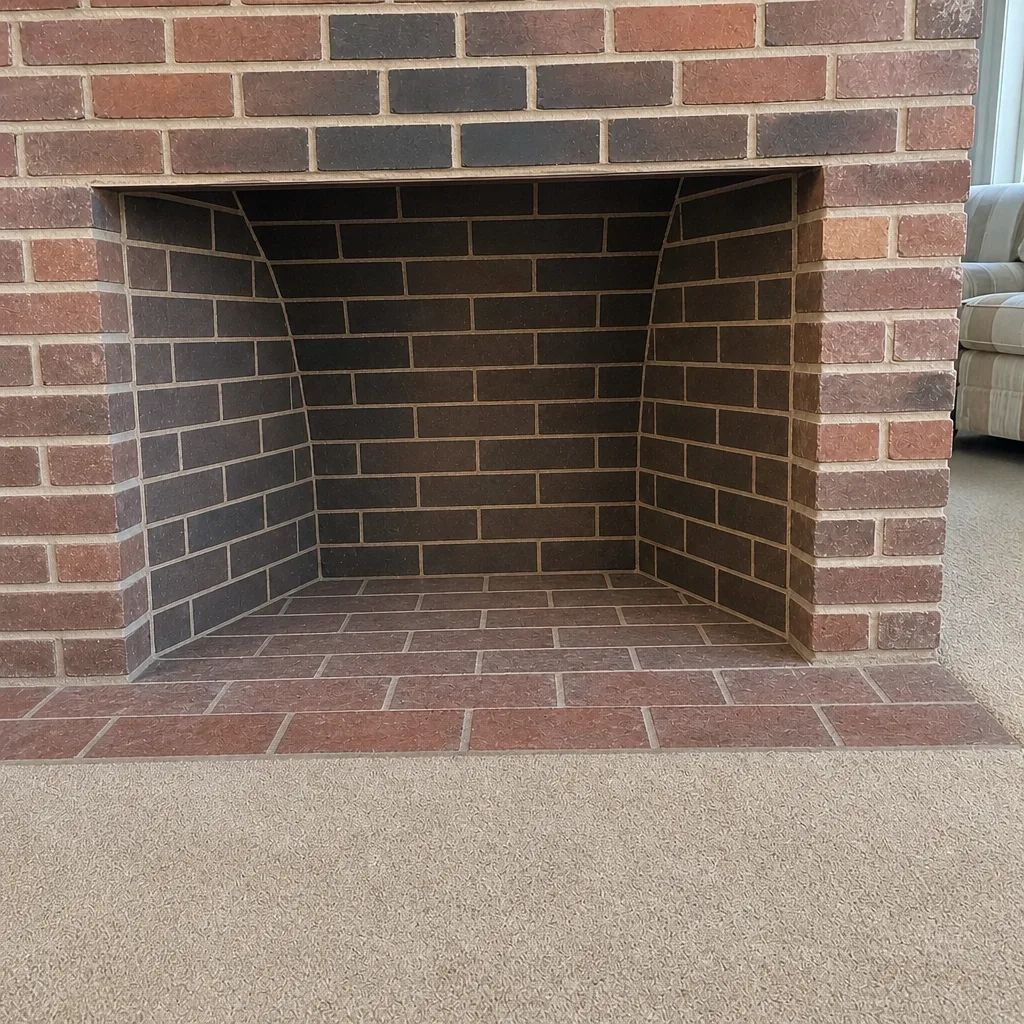 After
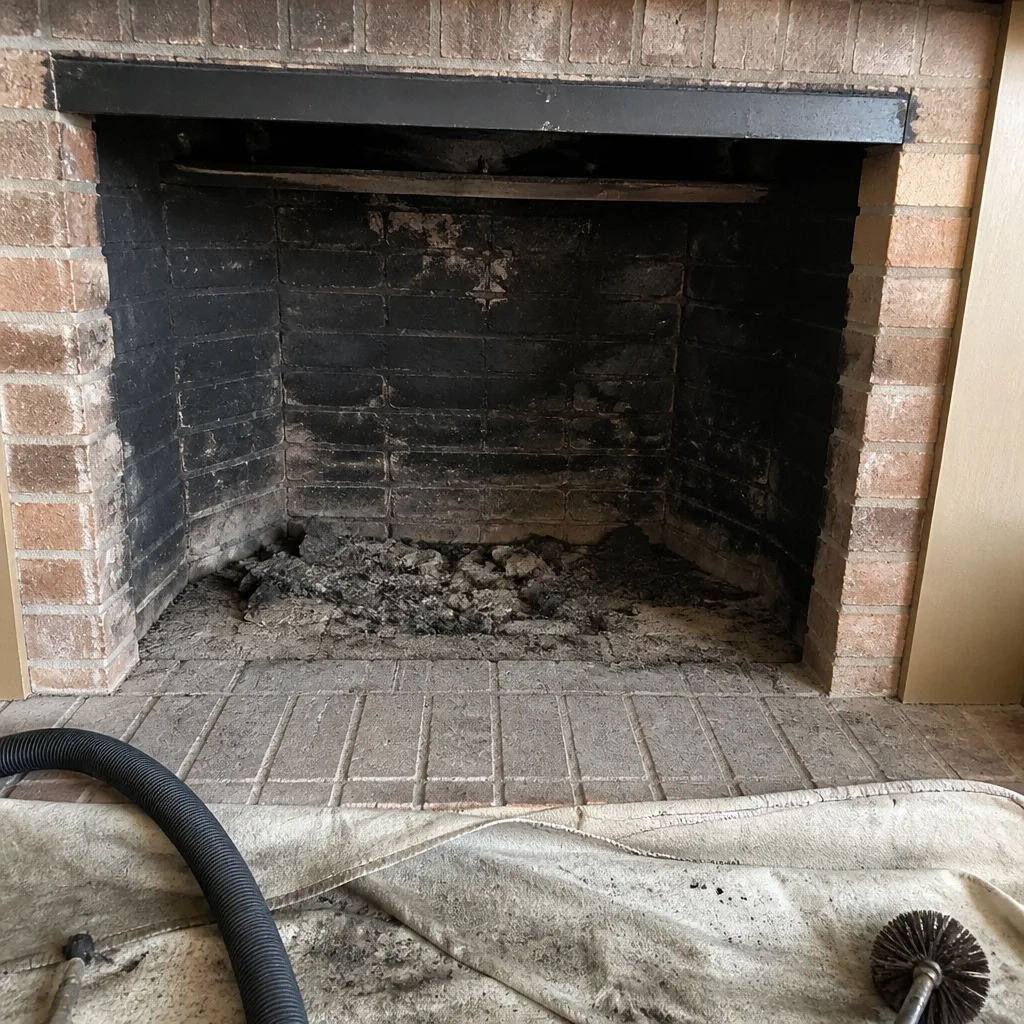 Before
 After
 Before
 After