
Last updated November 25, 2026
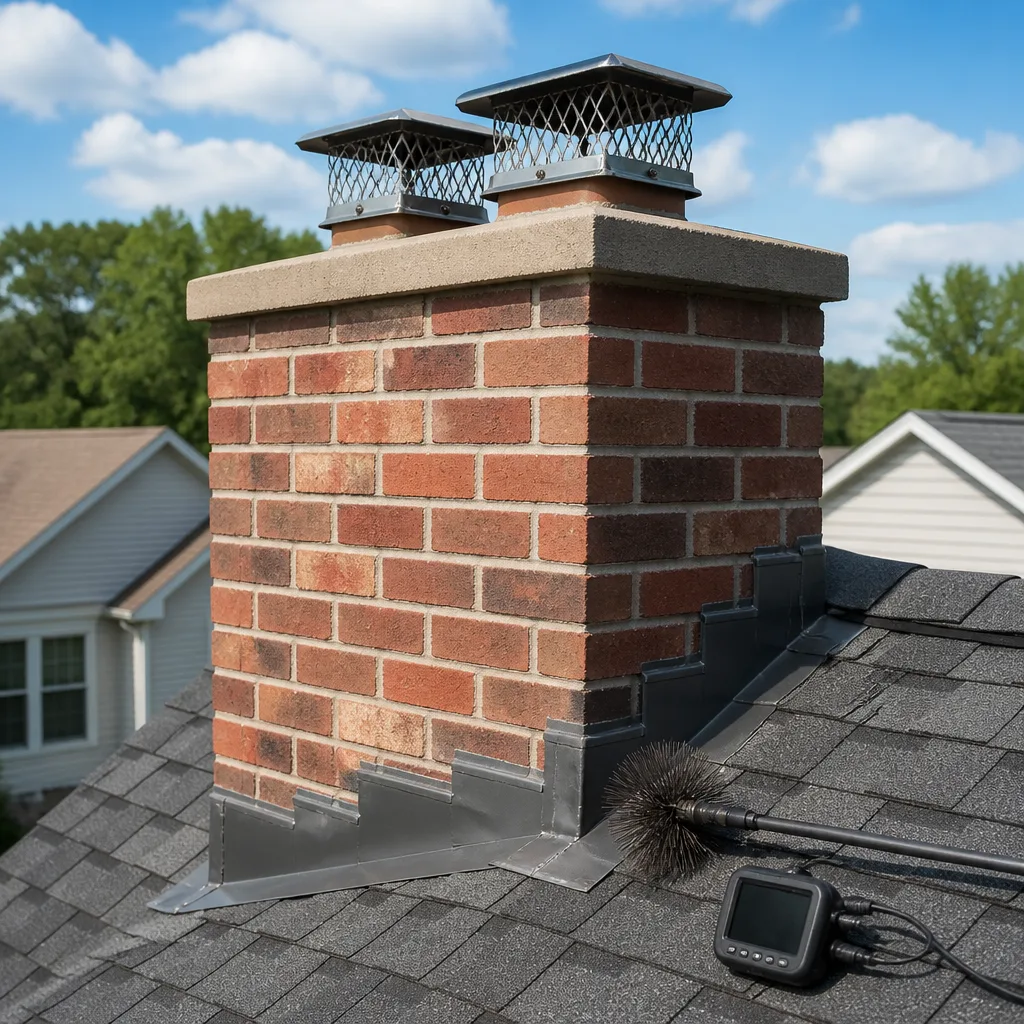 Sweep & inspection
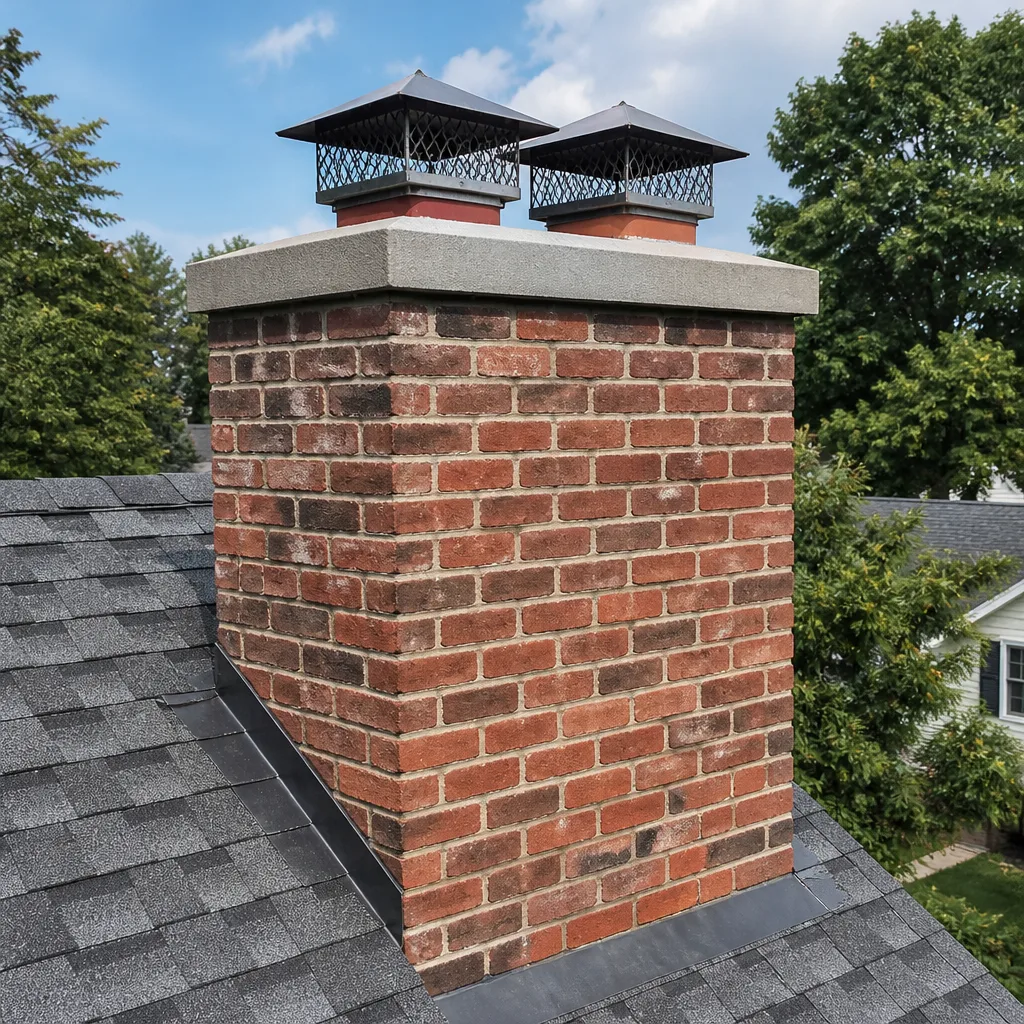 Caps & crowns
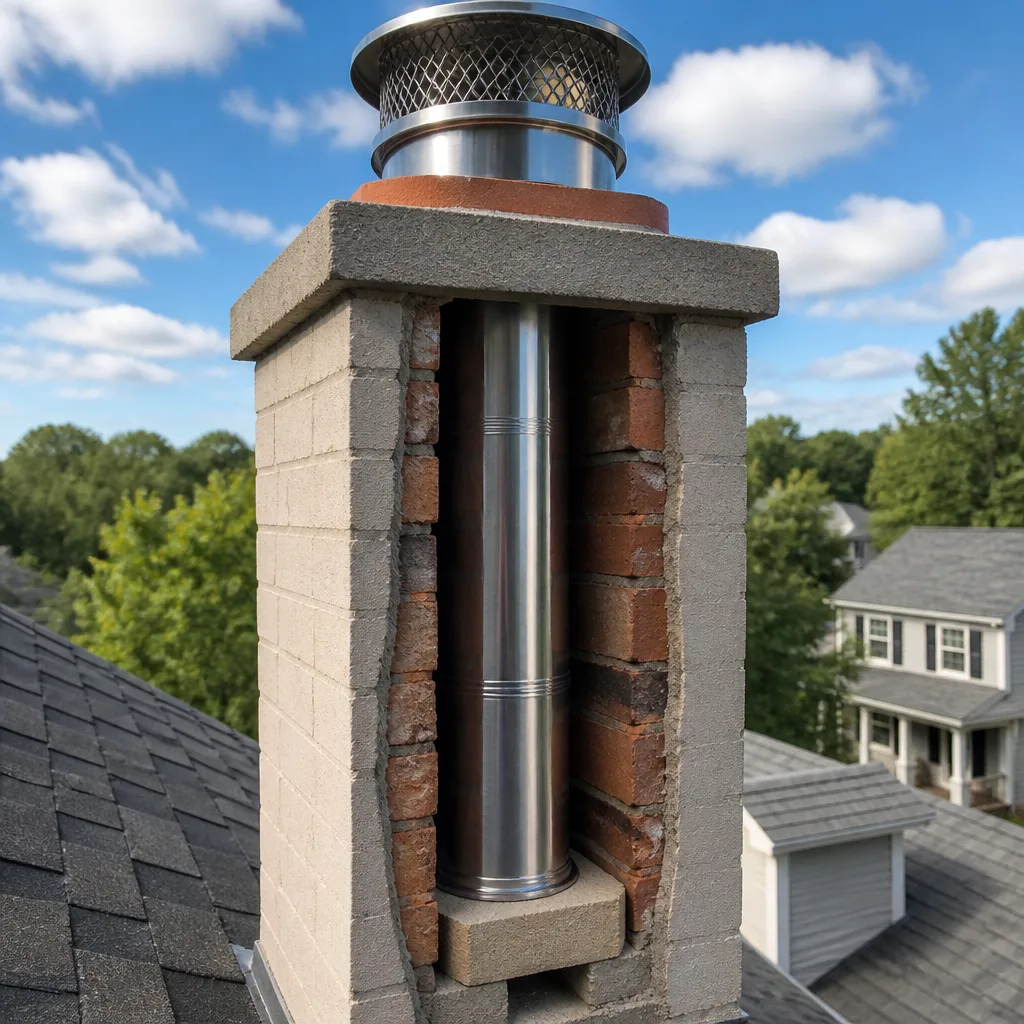 Flue relining
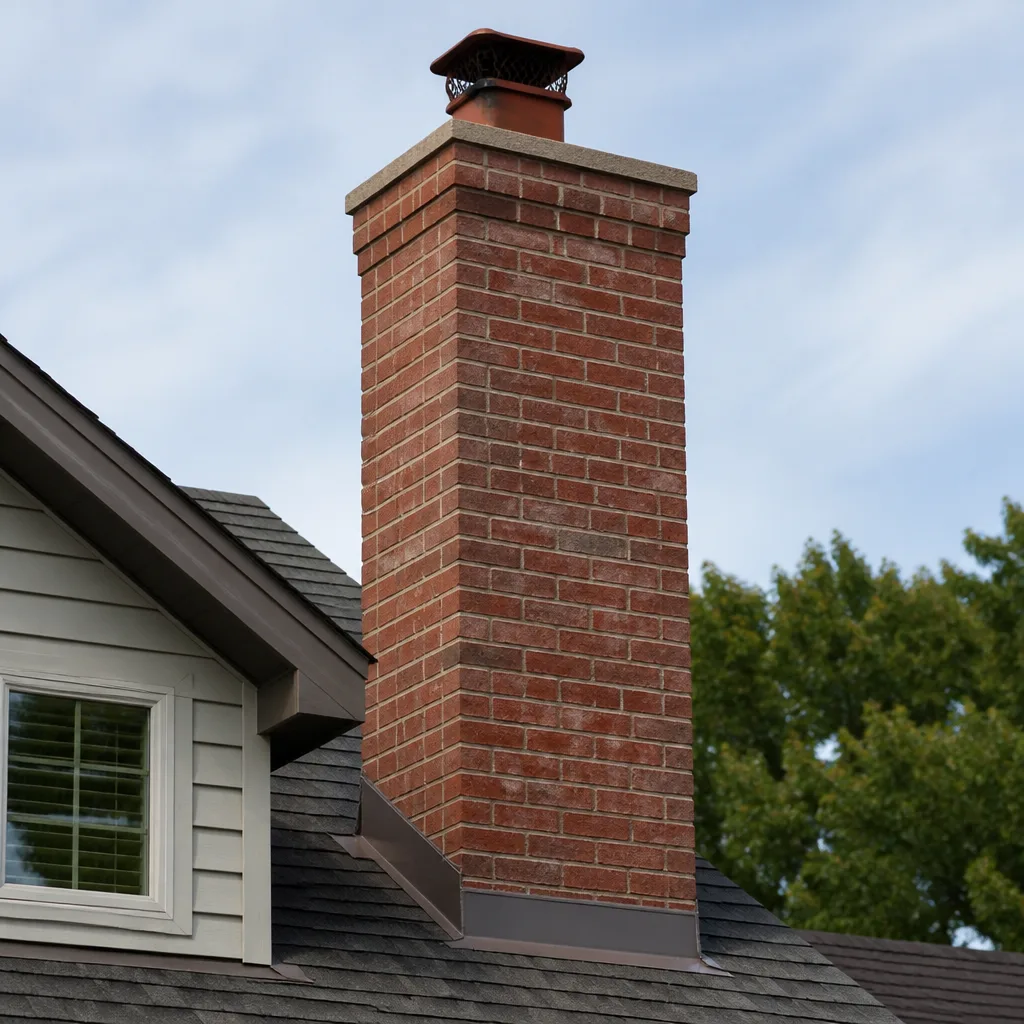 Masonry repair
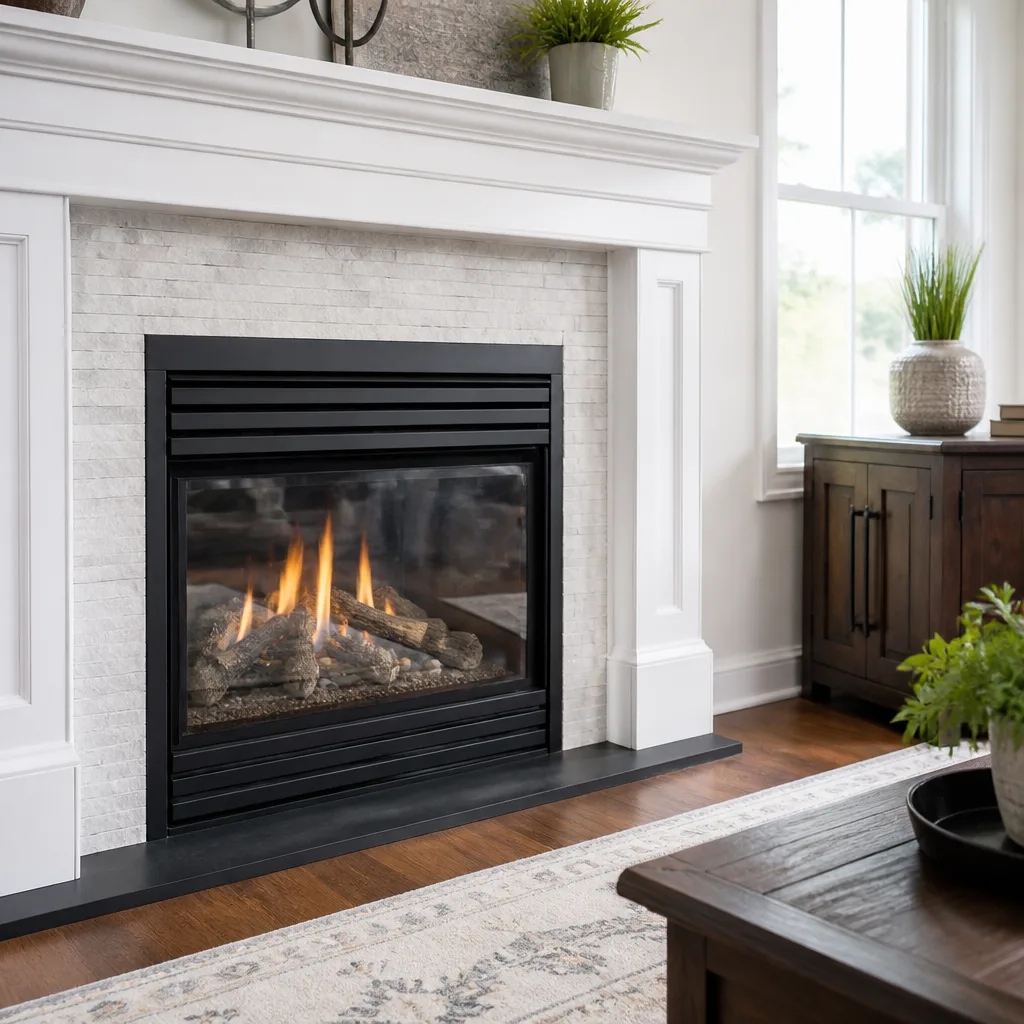 Gas fireplace service
Level 1 sweep and inspection to the NFPA 211 annual standard - flue, crown, cap, and flashing checked and photographed
Chimney sweep logs do not sweep chimneys. They loosen some creosote - which then falls where a brush and vacuum still have to collect it.
The Complete Guide to Chimney Cleaning in Broomfield
Most chimney advice you’ll read online was written somewhere near sea level, and it shows. Broomfield sits at 5,344 feet, and a flue at that elevation draws differently than one in a coastal suburb: thinner air, lower oxygen density, and a longer, slower fire that leaves more behind on the liner walls. The result is that generic cleaning intervals and generic “you probably don’t need a sweep yet” reassurance don’t map cleanly onto a Front Range home. This guide treats Broomfield’s elevation, its dry air, and its wind patterns as real variables in how creosote forms and how masonry ages here. You’ll learn what a proper cleaning visit actually involves, how firewood volume translates into a cleaning schedule, and when a Level 1, Level 2, or Level 3 inspection is genuinely warranted.
Quick Answer
Chimney cleaning in Broomfield means brushing and vacuuming the flue, firebox, and smoke chamber to remove creosote and soot, followed by an inspection of the liner, joints, cap, and crown. Most wood-burning households here need it once a year, and heavier burners need it sooner because the altitude’s thinner air produces slower, cooler fires that build creosote faster. If it’s been more than a season since your last sweep, or you’ve burned more than a cord and a half of wood, book a cleaning before cold weather arrives.
Styles & brands we work with
- Sweep & inspection
- Caps & crowns
- Flue relining
- Masonry repair
- Gas fireplace service
Table of Contents
- How Broomfield’s Altitude Changes Chimney Behavior
- What Creosote Is and Why It Forms Faster Here
- Level 1, Level 2, and Level 3 Inspections: Which One Do You Need?
- What Happens During a Professional Chimney Cleaning Visit
- How Often to Clean: Firewood Volume as Your Guide
- Why Dry Air and Wind Age Broomfield Masonry Faster
- The Cap and Crown: Where Water Gets In
- Gas Fireplaces and the Carbon Monoxide Question
How Broomfield’s Altitude Changes Chimney Behavior
At 5,344 feet, the air holds less oxygen and less density than it does down at the lower Front Range towns, and a wood fire responds to both. Combustion is less complete, which means more unburned compounds leave the firebox as vapor and condense on a cooler liner surface. Draft is also affected: the pressure difference that pulls smoke up a flue depends on the temperature gap between flue gas and outside air, and a mile-high flue needs a taller or better-sized stack to generate the same pull you’d get lower down.
What this looks like in practice:
- Thinner air, richer smoke. Fires at Broomfield’s elevation tend to smolder at the edges unless the firewood is well-seasoned, and smoldering is the primary producer of the sticky, glassy creosote that’s hardest to remove.
- Oversized flues underperform. A flue that’s too large for the appliance loses heat to the masonry and never warms enough to keep gases moving. Sizing matters more here than at lower elevation.
- Wind across the roofline. The Front Range wind that funnels across Broomfield’s open ridgelines can cause intermittent downdrafts, pushing smoke back into the firebox on gusty days and depositing creosote in the smoke chamber.
- Cooler overnight swings. Rapid temperature drops after sunset can cool a flue quickly, and a cooling flue is a condensing flue.
None of this means a Broomfield chimney is unsafe by default. It means the cleaning calendar here should be built on what you actually burn and how you burn it, not on a national average. When we sweep a Broomfield flue and find heavy glaze after a single season, the altitude effect is usually part of the story, and the other part is firewood moisture.
What Creosote Is and Why It Forms Faster Here
Creosote is the residue left when wood smoke cools before it exits the chimney. It comes in three recognizable forms, and each one tells a technician something different about the fire that produced it.
- First-degree creosote. Fluffy, soot-like, and easy to brush away. This is what a well-managed fire with dry wood leaves behind.
- Second-degree creosote. Flaky and crusty, sometimes with a hardened sheen. It brushes partially and needs more mechanical work to clear from the liner joints.
- Third-degree creosote. Glazed, tar-like, and baked onto the liner. This is the form that fuels a chimney fire, and it doesn’t come off with a brush alone.
Broomfield’s dry air is a help and a hindrance at the same time. It helps if your firewood is stored under cover with airflow around it, because dry climate seasons wood efficiently. It hinders if wood is left exposed to the weather, where snowmelt on the top of a pile soaks in and the dry air pulls moisture from the ends but leaves the interior wet. Damp wood burns cool, and cool smoke leaves second- and third-degree creosote. Controlling the buildup starts before the fire is lit: split wood, stack it off the ground, cover the top, and give it a full season under cover.
We install DuraFlex liner systems when a flue’s condition calls for one, and part of that job is explaining what a properly sized, insulated liner does for draft. A warm liner keeps flue gases above the condensation point longer, which cuts creosote formation at the source. That’s a structural fix, not a cleaning one. Cleaning removes what’s already there; draft correction slows what comes next. Both matter in a mile-high flue.
Level 1, Level 2, and Level 3 Inspections: Which One Do You Need?
Most Broomfield homeowners need a Level 1 inspection at their annual sweep, and a Level 2 when anything about the system has changed. The three levels aren’t upsells in a good shop; they’re different scopes of work for different situations.
Level 1 Inspection
A visual check of the readily accessible portions of the chimney and firebox, without special tools. This pairs with an annual cleaning and confirms the liner is intact, the cap is secure, and the firebox and damper show no new damage. If nothing has changed since last year and you’ve had no chimney fire, this is usually enough.
Level 2 Inspection
A more thorough inspection that includes accessible portions via a camera or from the roof, and covers the attic and crawl spaces where the chimney passes through. A Level 2 is called for when:
- You’ve bought or are selling a home in Broomfield
- You’ve changed the appliance, the fuel type, or the liner
- You’ve had a chimney fire, even a small one
- There’s been an earthquake, a severe wind event, or roof work near the chimney
- You’re noticing draft problems, smoke spillage, or water staining on ceilings
Level 3 Inspection
The most involved level, and rarely needed. A Level 3 involves accessing concealed areas of the chimney, sometimes requiring removal of masonry or drywall to reach the problem. It’s reserved for cases where a Level 1 or 2 has identified a likely hidden defect and the only way to confirm it is to open the system up.
We offer inspection as a standalone service, not a required add-on. If you want a diagnostic assessment of your chimney without booking a cleaning, we’ll come out and tell you what we find. That’s how we like to work: inspect before we recommend, every time. Call Broomfield Chimney Sweep if you’d like to schedule one.
What Happens During a Professional Chimney Cleaning Visit
A proper cleaning visit follows a sequence, and knowing it helps you evaluate the work you’re paying for. Here’s what the visit looks like from the moment we pull up to the moment we hand you a report.
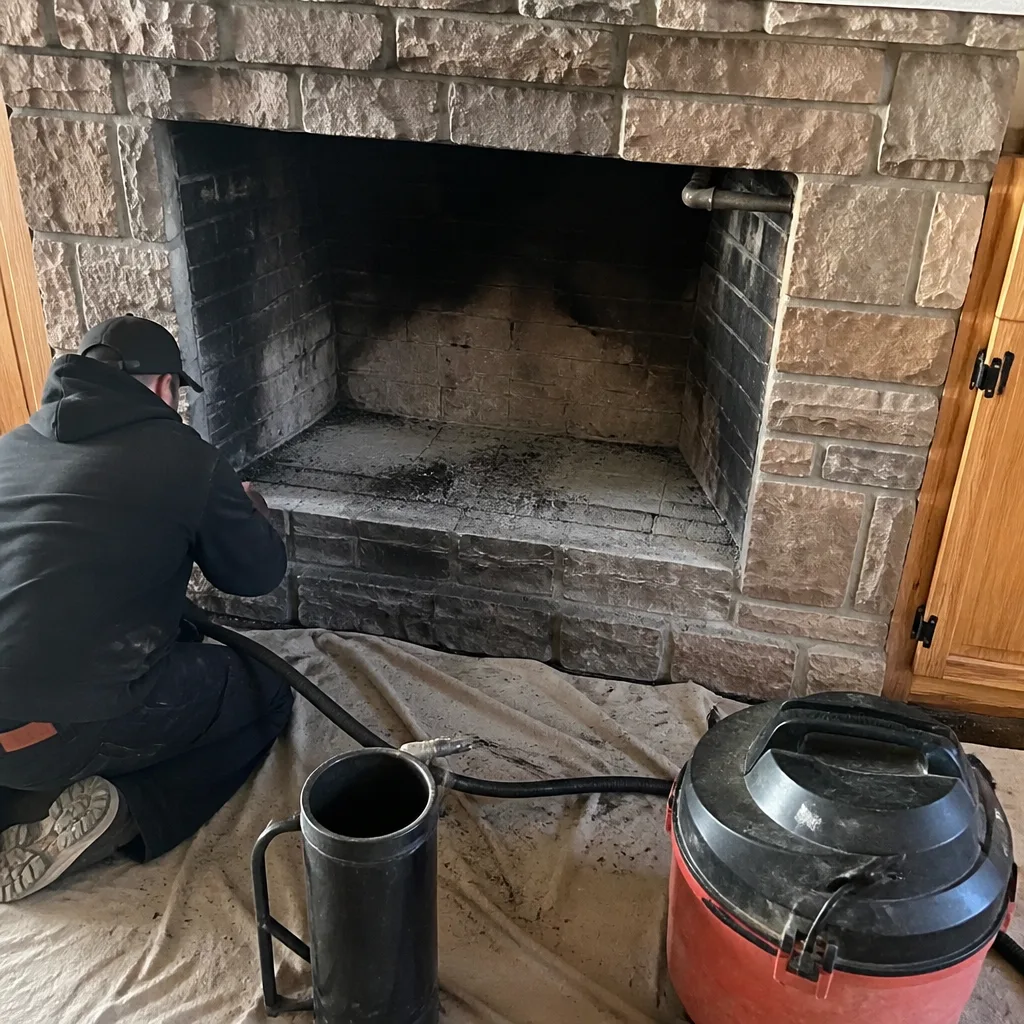
- Pre-visit setup. We lay protective drop cloths over the hearth and floor, seal the firebox opening with a vacuum and containment system, and confirm which appliance the flue serves.
- Exterior check. Before we touch the firebox, we look at the cap, the crown, and the flashing from the roofline. Water damage often shows up outside before it shows inside.
- Flue brushing. Using the correct brush type for the liner material, we work the full length of the flue from the top down or bottom up depending on the setup. A high-efficiency vacuum runs throughout so nothing escapes into the room.
- Firebox and smoke chamber. We clean the firebox, the damper area, and the smoke chamber where soot accumulates out of sight. A quick look at the damper plate usually reveals how well the appliance has been drafting.
- Camera inspection. We run a camera down the liner to look for cracks, gaps at joints, and the condition of the mortar. This is the part of the visit most homeowners never see from a cheaper sweep.
- Photo report and written findings. We document what we found and walk you through it. If a repair is needed, we show you the evidence and explain why it matters. If nothing needs doing, we say so.
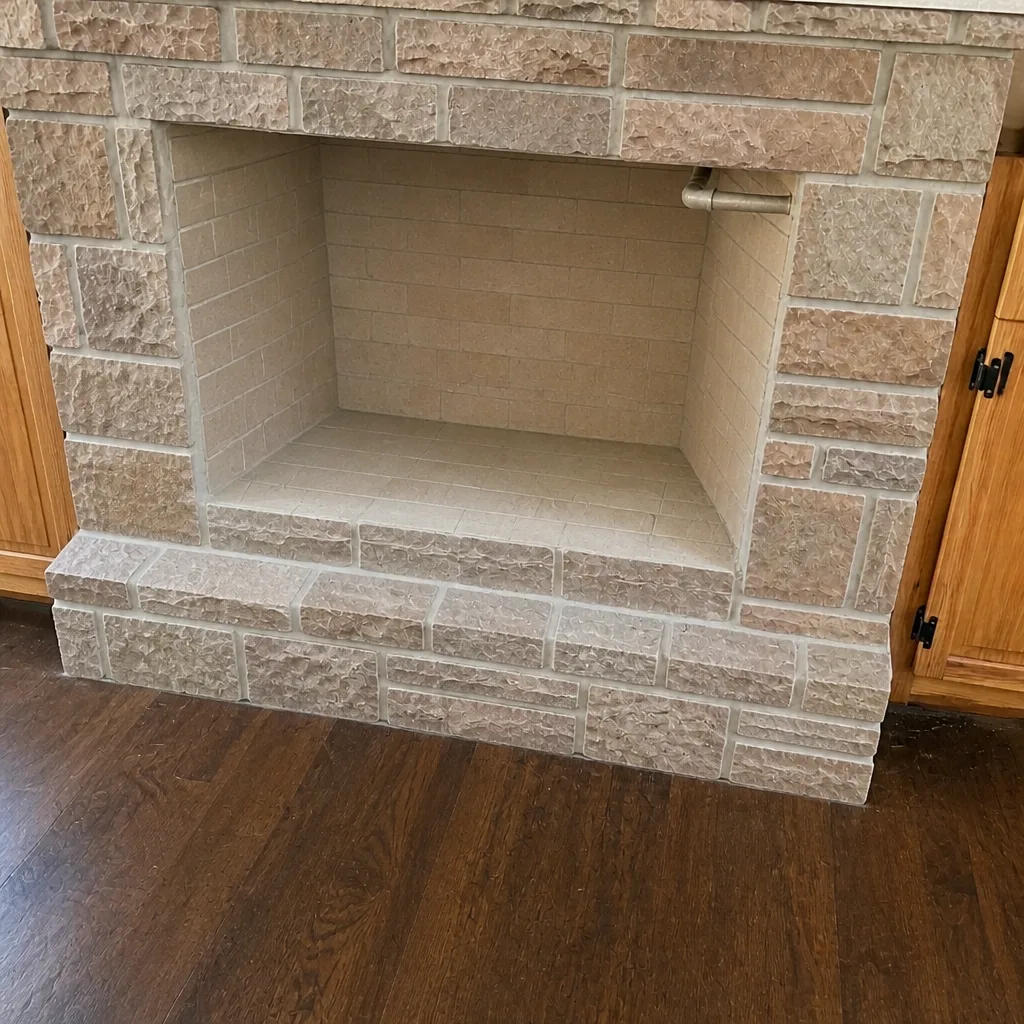
- Cleanup and final check. Everything is vacuumed, protective cloths come up, and we confirm the appliance is ready to use.
If the camera reveals a deteriorated firebox or failing liner joints, that’s where restorative work comes in. HeatShield application can rebuild the firebox floor and restore the joint integrity in the smoke chamber, which keeps the system serviceable without a full liner replacement in the right circumstances. We’ll only recommend that step when the evidence supports it, and we’ll show you the photos so you can see it for yourself.
How Often to Clean: Firewood Volume as Your Guide
The standard advice is once a year, and for many Broomfield homes that’s exactly right. But “once a year” hides a wide range of use. A household that burns a face cord in a decorative fireplace and a household that heats with four cords are on entirely different cleaning cycles.
Wood volume is the most reliable scheduling variable we’ve found:
- Light use (under a cord per season). A yearly sweep and inspection is appropriate for most of these. You still want the camera check, because a slow draft can build creosote even in a fire that’s used less often.
- Moderate use (one to two cords per season). Annual cleaning is the floor. Many Broomfield households in this range benefit from a mid-season flue check if they notice smoke roll-out or a drop in draft.
- Heavy use (two to three cords per season). Annual cleaning, plus a late-winter inspection. Heavy burning shows up fast in the joints and smoke chamber at this elevation.
- Continuous heating (three or more cords per season). Consider a mid-season sweep alongside your annual cleaning. Households that heat primarily with wood are the ones most likely to find glazed creosote by February.
The other trigger is qualitative: if you’ve had a chimney fire, a sudden draft change, or smoke backing into the room, the schedule resets. Get an inspection before you burn again. It’s not about fear; it’s about catching a cracked liner before it becomes a liner replacement.
Why Dry Air and Wind Age Broomfield Masonry Faster
Broomfield’s climate has a specific effect on mortar. The dry air pulls moisture out of masonry quickly, and where moisture moves out fast, it moves through the joints and leaves behind the salts and minerals that weaken mortar over time. Combine that with the freeze-thaw cycle that comes when a warm daytime afternoon gives way to a clear, cold night, and you get masonry that cracks and spalls faster than you’d expect in a wetter climate.
The Front Range wind plays into this too. Wind-driven rain and snow hit one side of a chimney more than the other, and that side is where the mortar joints first show deterioration. Wind also drives the freeze-thaw cycle harder on the exposed crown and cap.
This is why we look at masonry during a cleaning appointment rather than treating it as a separate job. A sweep is the one time each year someone is up close to your chimney with an eye on the joints. Catching a hairline crack in the crown or a soft mortar joint early is a small repair; catching it after a freeze cycle widens it is a much bigger scope. If your chimney needs masonry work, we handle it through our chimney repair service with trade-grade materials from brands like Copperfield and Famco, and we’ll tell you honestly when the work can safely wait and when it shouldn’t.
The Cap and Crown: Where Water Gets In
If you only fix one part of your chimney this year, make it the cap and crown. Water causes more chimney deterioration than fire does, and the cap and crown are the two spots where water gets in.
The crown is the sloped concrete or mortar top that sheds water away from the flue. Over time, the freeze-thaw cycles here crack it, and once the crown loses its slope, water pools on top and works down into the masonry. A cap sits on top of the flue itself and keeps rain, snow, and Broomfield’s wind-driven debris out of the flue while letting exhaust out. We remedy both through our chimney repair work, and we treat it as a dedicated service rather than an afterthought. When we install a cap, it’s one of the recognized trade brands (Famco and Copperfield both make caps we trust) sized to your flue, not a universal piece bolted on.
The warning signs of a failing cap or crown show up inside before they show outside:
- Staining on the ceiling or walls near the chimney
- Rust on the firebox or damper, or a musty smell when the fire isn’t burning
- Crumbling mortar at the top of the chimney
- Visible cracks or a dropped slope on the crown
- Water pooling in the firebox after a storm
If any of those sound familiar, get it checked. A cap or crown repair done on time is a small job. A rebuild after several seasons of water intrusion is a much larger one.
Gas Fireplaces and the Carbon Monoxide Question
A gas fireplace still needs the same care a wood fireplace does, and that surprises some homeowners. The flue still vents combustion gases, the liner still needs inspecting, and the cap still needs to keep weather out. Gas appliances produce less creosote than wood, but they can produce condensation that hastens liner deterioration, and a blocked or degraded flue on a gas appliance can route carbon monoxide back into the home.
What we check on a gas fireplace visit:
- The venting path and whether the flue is clear
- The condition of the liner and the joints
- The cap and the spark arrestor screen
- The firebox and the gas logs for debris or blockage
- Any sign of water intrusion that would rust the venting
If you use a gas fireplace, a yearly inspection is still the right habit. It’s fast, it’s thorough, and it catches a venting problem before it becomes a carbon monoxide concern rather than after. Our fireplace repair team can handle any issues a sweep turns up, and if it’s just a cleaning and a check, that’s what we’ll tell you.
Common Mistakes to Avoid
- Skipping the inspection because the cleaning “looked fine.” A clean flue tells you very little about the liner joints or the crown. The camera inspection is where the useful information lives.
- Burning unseasoned wood to save money. Wet wood is the leading cause of glazed creosote in Broomfield, and the cheapest cord becomes the most expensive sweep when it’s full of water.
- Cleaning only the firebox and calling it done. The firebox is where soot is visible; the flue and smoke chamber are where the fire hazard builds. A proper sweep covers all three.
- Ignoring a cracked crown because the chimney “looks okay from the ground.” Broomfield’s freeze-thaw cycles widen crown cracks every season, and a small repair becomes a rebuild if you wait.
- Letting a general handyman handle the flue. A handyman who “also does chimneys” is often the one who leaves a brush mark on the liner and a crack at the joint unnoticed. Chimney systems need a specialist.
- Cleaning only when you notice smoke. A well-running chimney doesn’t announce a liner problem. Cleaning on a schedule catches issues when they’re cheap to fix.
- Covering the cap for the winter. A cover on the cap traps moisture inside the flue and rusts the appliance. If you’re worried about cold, book the inspection, don’t block the vent.
See the difference
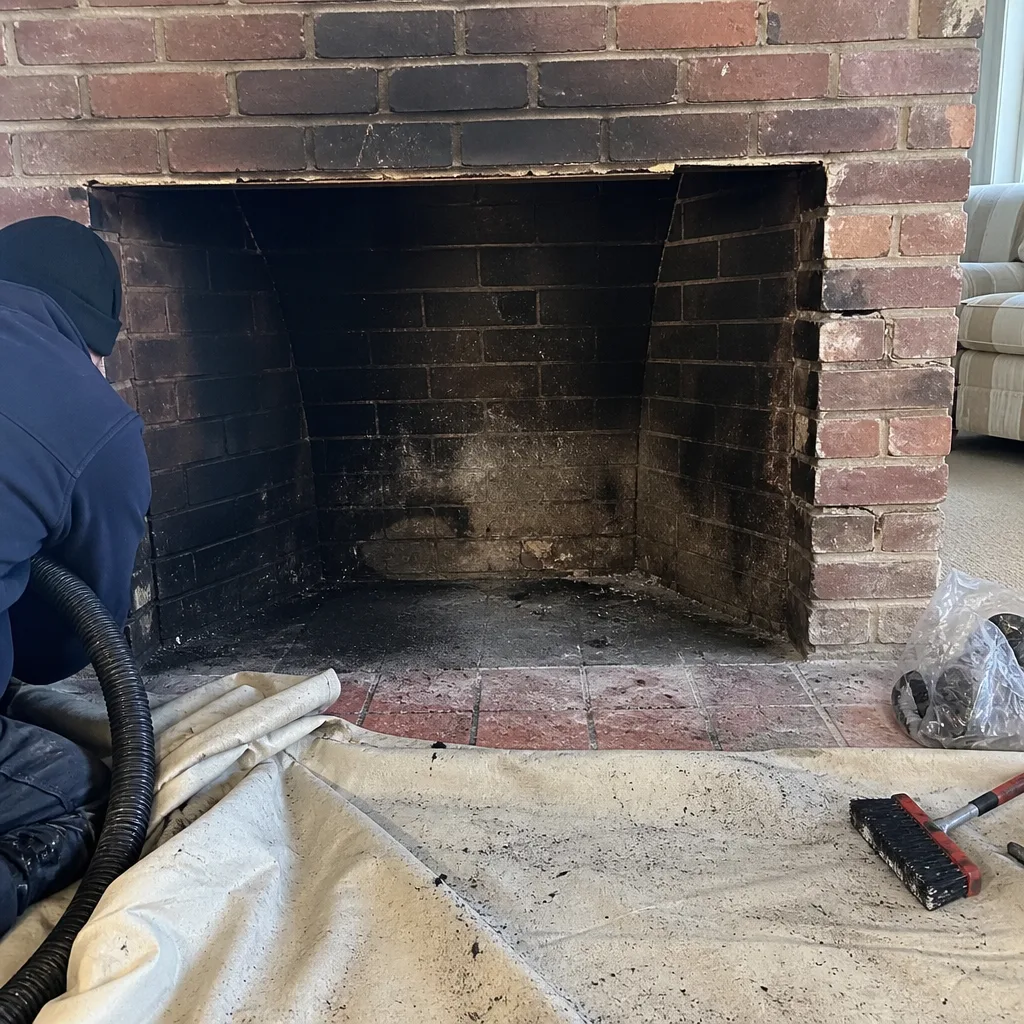 Before
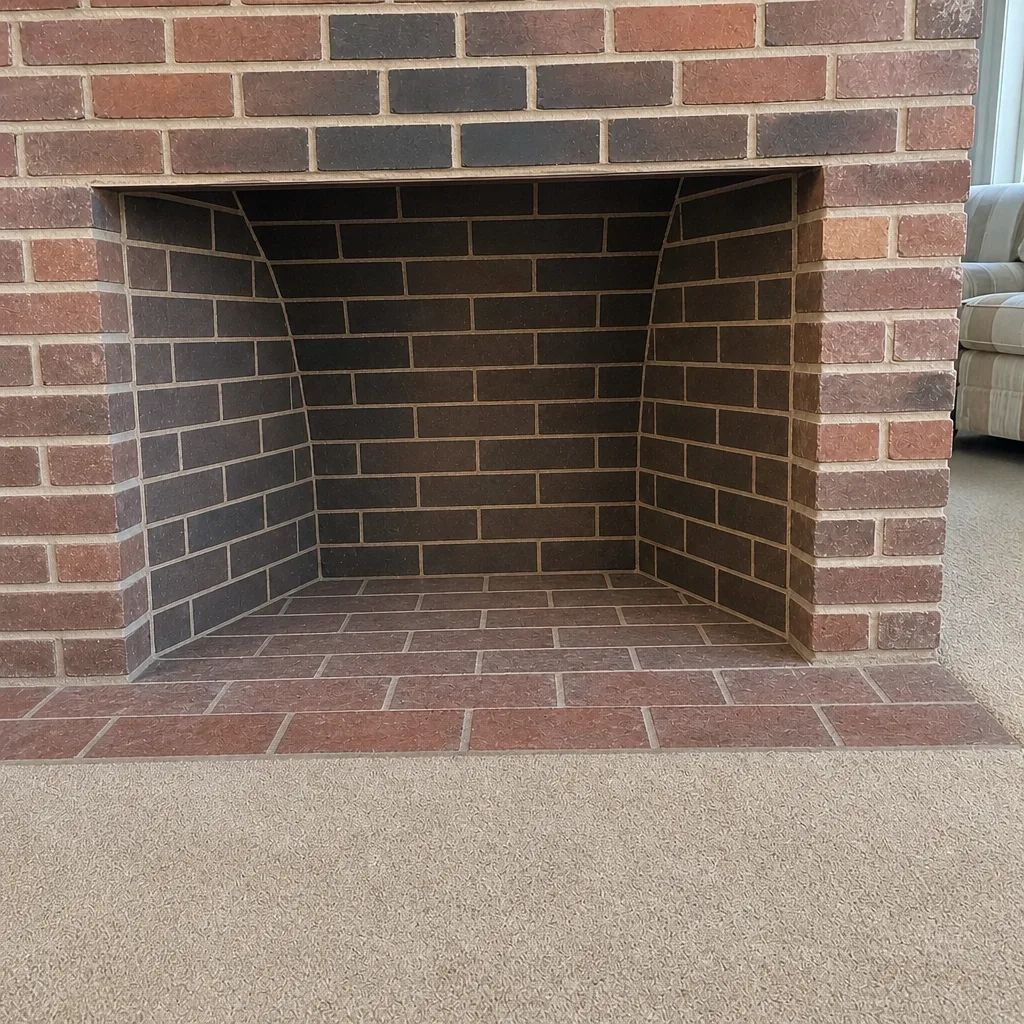 After
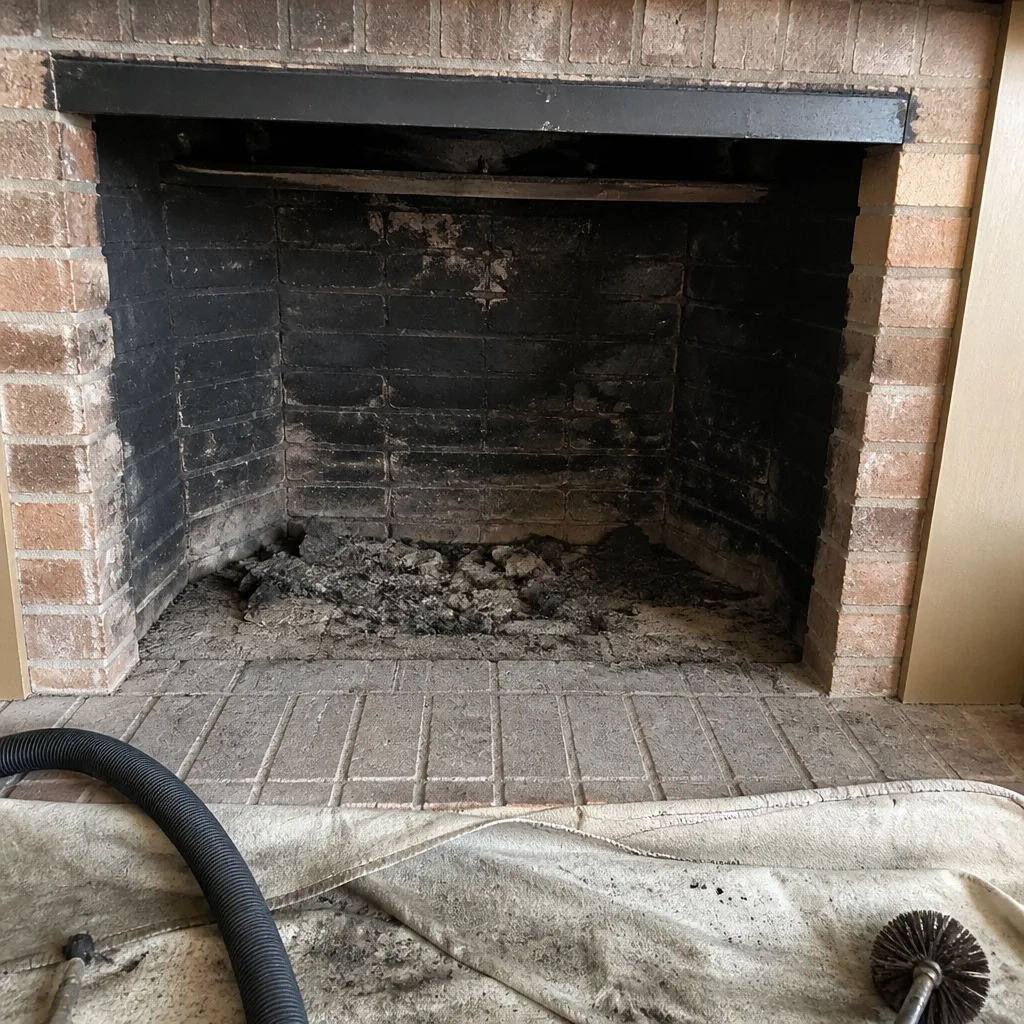 Before
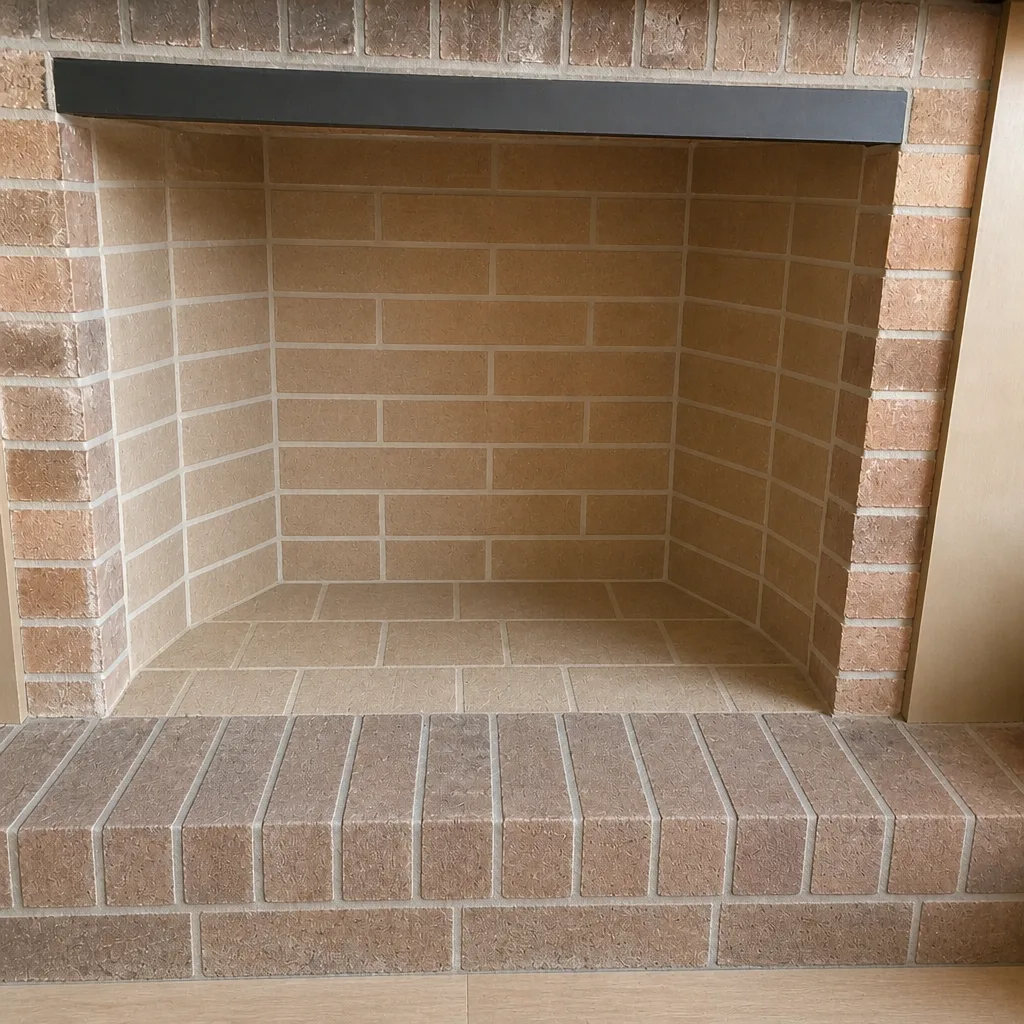 After
 Before
 After
When to Call a Professional
Call a chimney professional if it’s been more than a year since your last cleaning, you’ve had a chimney fire (even a small one), you notice smoke backing into the room, there’s water staining near the chimney, or you’re buying or selling a Broomfield home and need a Level 2 inspection. Call us sooner than later if you smell creosote in warm weather; that odor usually means a buildup that should come out before the next season. If you’re not sure, call anyway. We’d rather inspect a flue that turns out to be clean than miss a problem. Broomfield Chimney Sweep offers free estimates in Broomfield, so call (866) 947-9222 and we’ll set up a visit. We inspect before we recommend, every time.
Frequently Asked Questions
A standard chimney sweep in Broomfield is typically in the low-to-mid hundreds of dollars, with inspection and any repairs priced separately based on what the camera finds. The final price is set by the written estimate after we’ve looked at the system, and the estimate is free. Call (866) 947-9222 for an exact quote; estimates are free.
Once a year for most homes, and more often for householdsthat burn more than a cord and a half of wood per season. The altitude here produces cooler fires that build creosote faster than at lower elevations, so Broomfield chimneys tend toward the shorter end of the national interval. If you’re a heavy burner, ask about a mid-season check.
Not always, and we won’t tell you that you do without evidence. A liner is recommended when the camera shows cracks, gaps at the joints, or deterioration that would let creosote or combustion gases reach the masonry. Sometimes a HeatShield application restores a firebox or smoke chamber without a full liner replacement. We’ll show you the footage before we recommend anything. Call (866) 947-9222 to book an inspection.
Creosote continues to build, and glazed third-degree creosote is the fuel that chimney fires burn. On the gas side, a blocked or degraded flue can route carbon monoxide into the home. Skipping a year isn’t automatically dangerous, but skipping several without an inspection is where problems compound. Call (866) 947-9222 to get back on schedule.
We don’t recommend it, and not because of the brush work. The real risk is what you won’t see from the roof: a cracked liner joint, a soft mortar joint in the crown, or a failed cap. Those require the camera inspection and the training to read what it shows. If you’re on a tight budget, book the inspection and decide from there. Call us for a free estimate.
Yes, at 5,344 feet the air is thinner, combustion is less complete, and flue gases stay cooler longer, all of which speeds creosote formation. Draft is also weaker unless the flue is properly sized. All of this means Broomfield chimneys benefit from a slightly more attentive cleaning schedule than the national average. Call (866) 947-9222 to talk through your setup.
The Bottom Line
A chimney in Broomfield is a different animal than a chimney in the lower Front Range or anywhere near sea level. Thinner air, dry wind, freeze-thaw cycles, and the fire behavior they produce all push toward faster creosote formation and faster masonry wear. That doesn’t call for alarm; it calls for a calendar. Sweep once a year, get the camera inspection, and let a specialist look at the crown, cap, and liner joints before a small repair becomes a large one. If you’re due, or you’re not sure, call chimney sweep service today and we’ll set up a visit. If you’re buying a home, ask about a Level 2 inspection separately. Single-source care from diagnosis through repair, and trade-grade materials from DuraFlex, HeatShield, Gelco, Olympia Chimney, Famco, and Copperfield. That’s the standard we work to.
Call (866) 947-9222 for a free estimate. We answer 24/7. Fast dispatch from 7am to 7pm, Sunday through Friday.
Written by the team at Broomfield Chimney Sweep.