
Last updated November 25, 2026
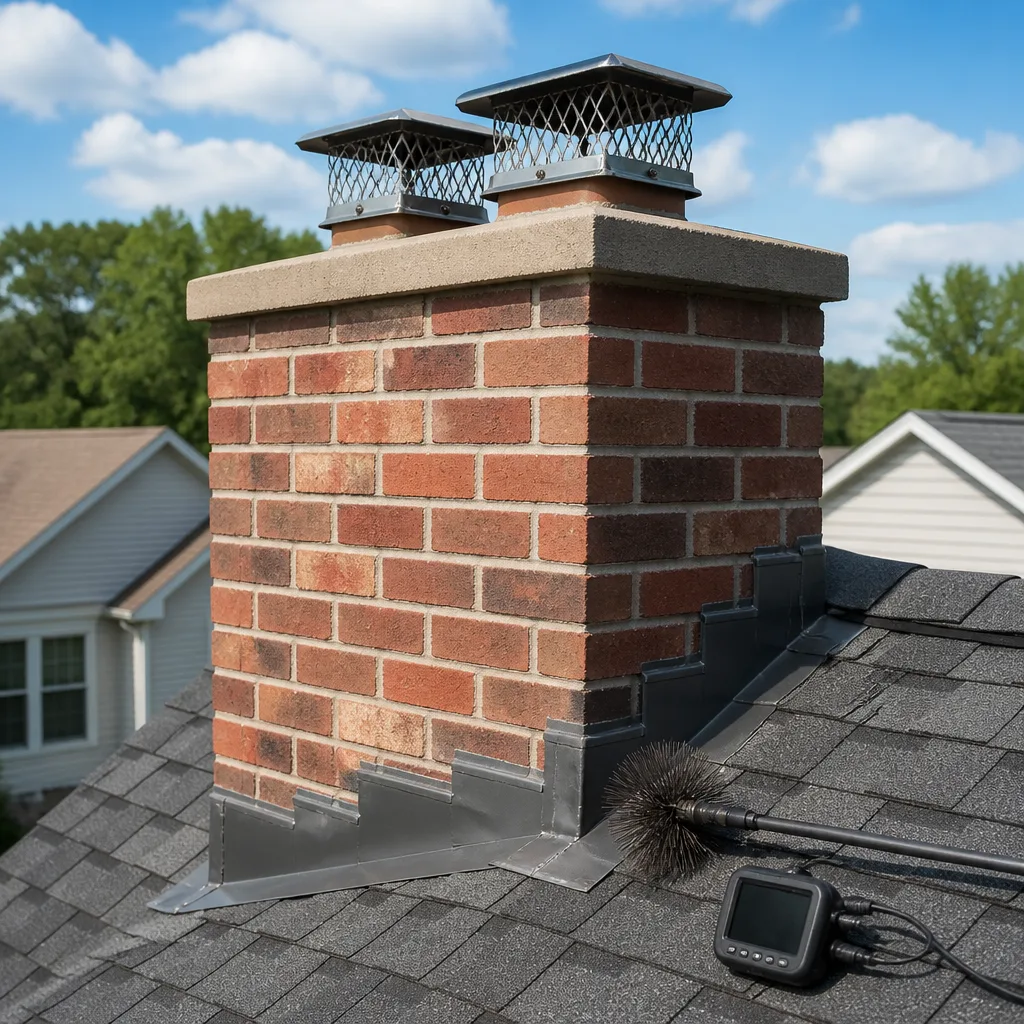 Sweep & inspection
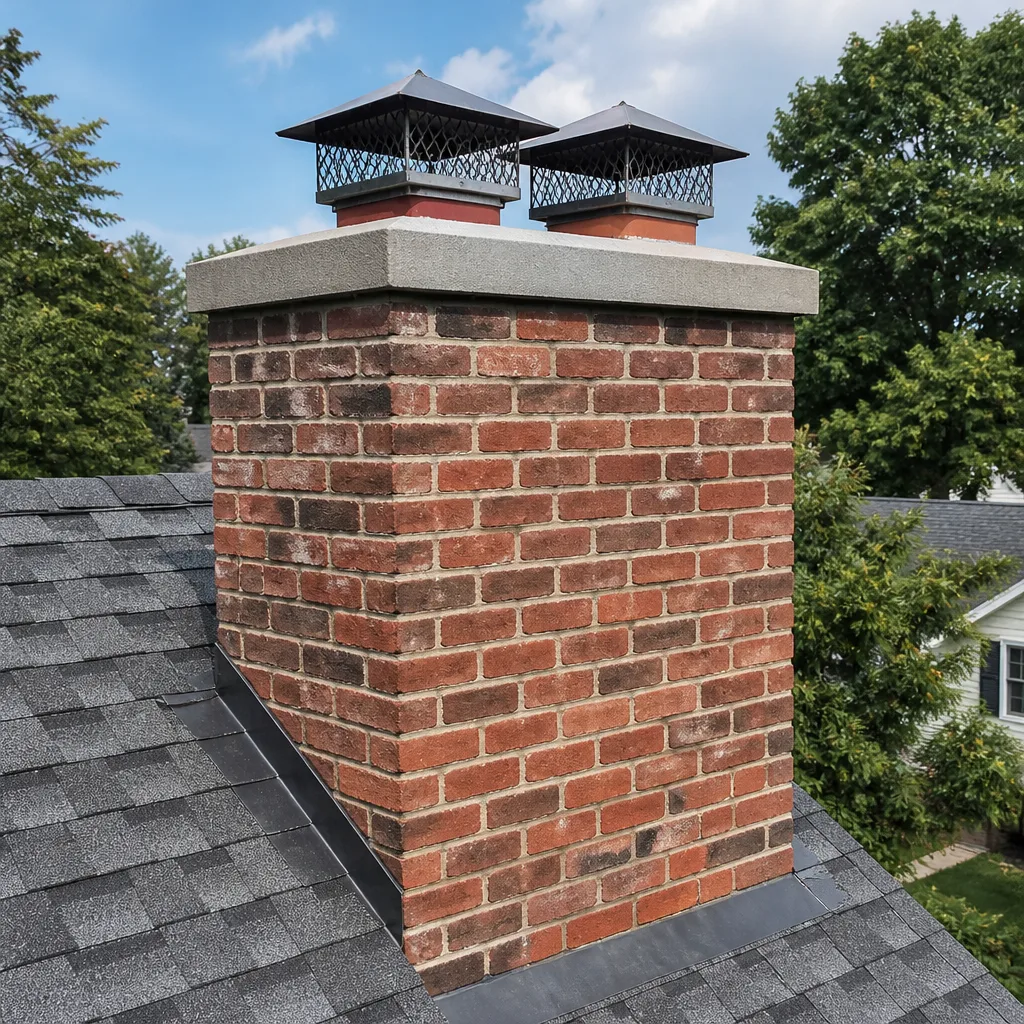 Caps & crowns
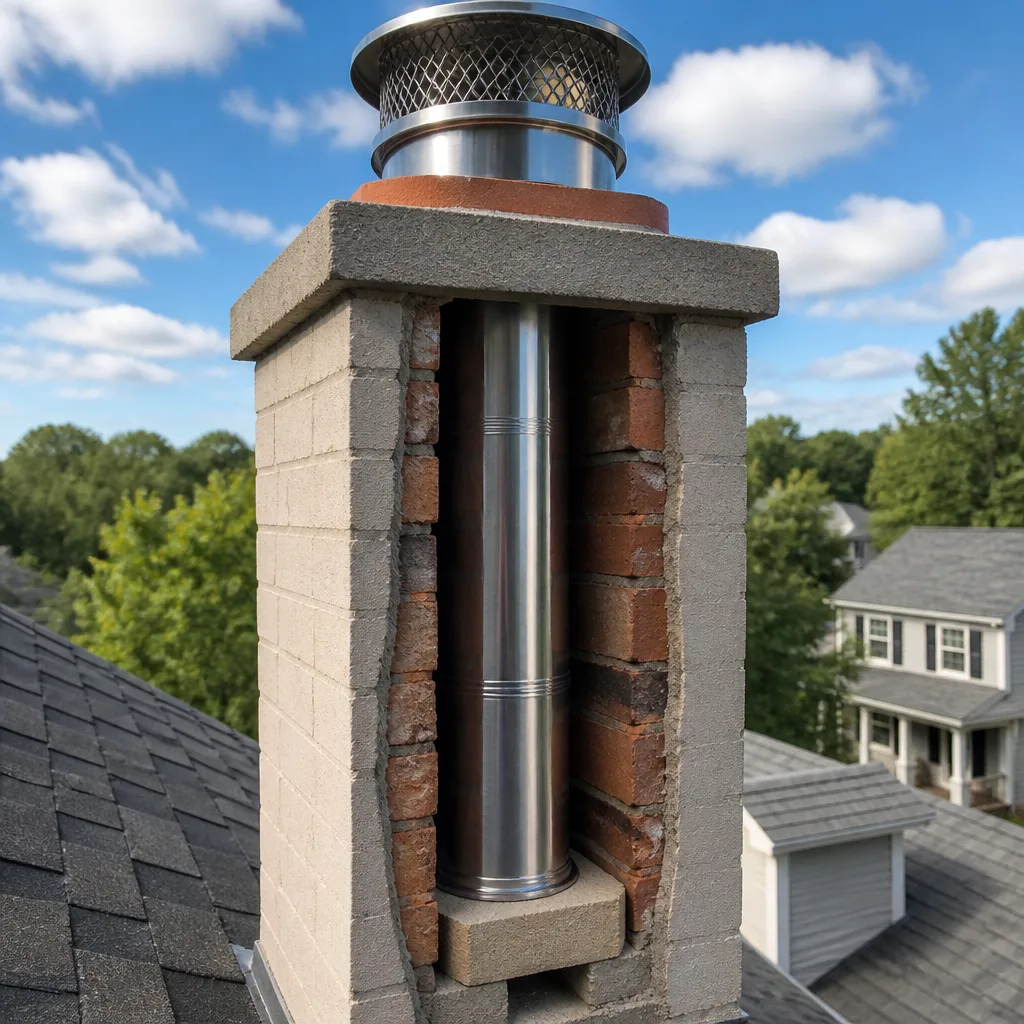 Flue relining
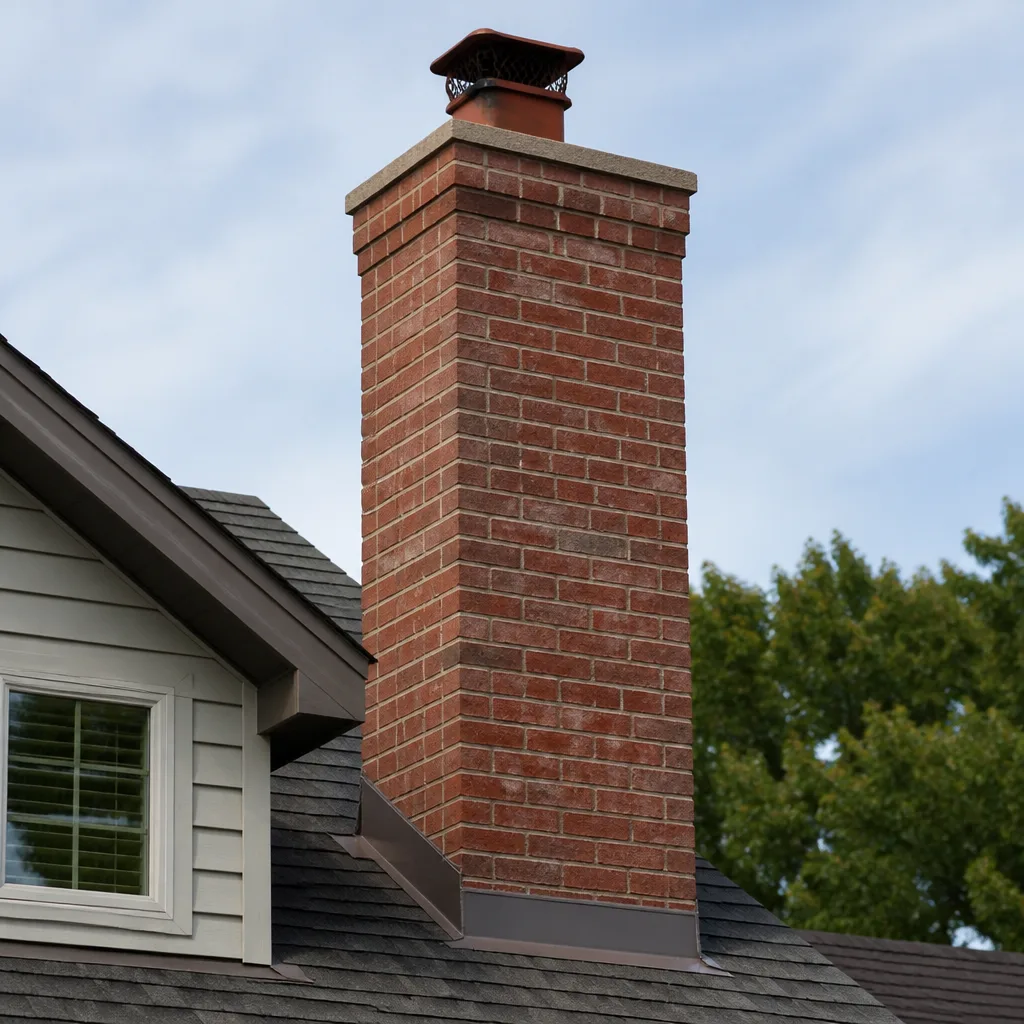 Masonry repair
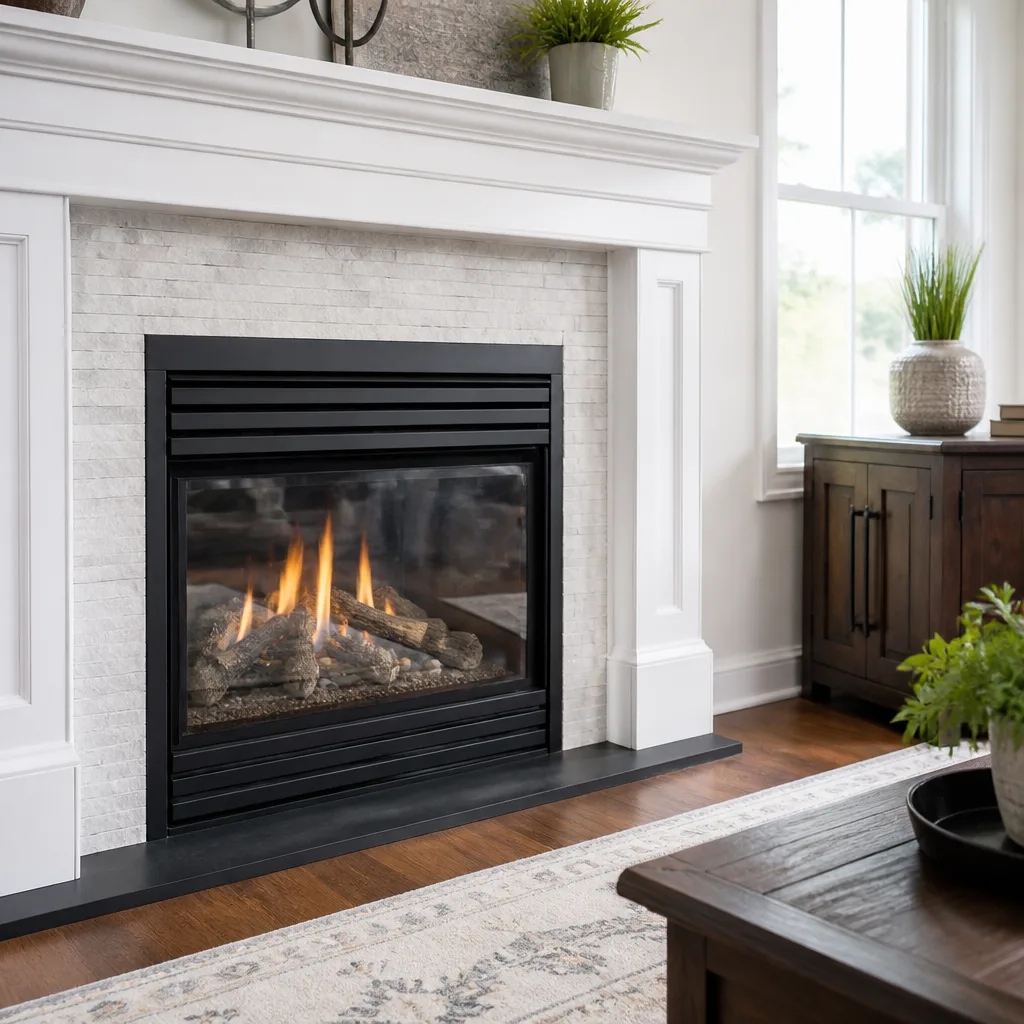 Gas fireplace service
Level 1 sweep and inspection to the NFPA 211 annual standard - flue, crown, cap, and flashing checked and photographed
Chimney sweep logs do not sweep chimneys. They loosen some creosote - which then falls where a brush and vacuum still have to collect it.
How to Hire a Chimney Cleaning Contractor in Broomfield: A Step-by-Step Guide
The cheapest chimney quote in Broomfield is usually from someone who owns a brush and a ladder, not someone who can tell you whether your flue liner is compromised before they start sweeping. That’s the trap. A general handyman can scrape creosote off a flue wall and hand you a receipt. What he usually can’t do is read the inside of your chimney with a camera, spot a cracked liner joint or a spalling crown, and tell you honestly what needs fixing now and what can wait until spring. This guide walks you through how to hire a real chimney specialist in Broomfield, step by step, so the money you spend buys a diagnosis and not just a cleaning.
Quick Answer
To hire a chimney cleaning contractor in Broomfield, verify three things before you book: CSIA Certified Chimney Sweep credentials, proof of liability insurance, and Colorado contractor registration. Then ask for a written scope of work and a post-service report that includes camera inspection findings. A real specialist will offer all of it before you ask; a generalist will get vague the moment you do.
Styles & brands we work with
- Sweep & inspection
- Caps & crowns
- Flue relining
- Masonry repair
- Gas fireplace service
Table of Contents
- Step 1: Verify the Three Credentials That Actually Matter
- Step 2: Ask These Five Questions Before Booking
- Step 3: Recognize the Red Flags of a Generalist
- Step 4: Why Multiple Quotes Can Backfire
- Step 5: Get the Scope of Work in Writing
- Step 6: Know What a Post-Service Report Should Contain
- What Broomfield’s Climate Does to Your Chimney
- Common Mistakes to Avoid
- When to Call a Professional
- Frequently Asked Questions
Step 1: Verify the Three Credentials That Actually Matter
Credentials aren’t paperwork for its own sake. Each one closes a specific gap where a bad hire costs you real money. Here’s what to check and how to check it, without taking anyone’s word for it.
CSIA Certified Chimney Sweep designation. The Chimney Safety Institute of America (CSIA) is the trade body that tests and certifies sweep technicians. A certified sweep has passed a written exam and carries current certification. Ask for the technician’s name and certification number, then look it up in the CSIA’s public directory on their website. If the name doesn’t appear, the claim is hollow. Don’t accept a “we’re certified” answer at the company level; certification belongs to individuals.
Proof of liability insurance. A technician on your roof can drop a brush, damage flashing, or crack a tile. Ask for a certificate of insurance and check that it names the company doing the work. Some homeowners call the insurer listed on the certificate to confirm the policy is current. That’s not overkill; it’s the difference between a covered accident and a fight.
Colorado contractor registration. Colorado requires contractors to register with the state, and you can verify registration through the Colorado Secretary of State’s business database. If a company can’t produce a registration number, that’s a stop sign, not a yellow flag.
We name the credentials we look for because they’re the same ones we expect our own technicians to hold. Our technicians have up to 10 years of experience, and the ones doing the diagnostic work are the ones who can read a camera feed and explain what they’re seeing in plain language.
Step 2: Ask These Five Questions Before Booking
The five questions below are the ones that separate a chimney specialist from a handyman with a brush. Print them, or text them to the company before you book. The answers tell you more about the contractor than any review page will.
- “Do you do a camera inspection as part of the sweep?” A Level 1 inspection with a video camera is the baseline for any chimney visit. If the answer is no, you’re hiring a cleaner, not a diagnostician. A camera shows liner cracks, gaps at joints, and hidden creosote glazing that a brush alone can’t detect.
- “What’s your protocol if you find a structural defect mid-job?” A real specialist stops, documents the finding with a photo or video capture, and tells you in writing what it means and what options you have. A generalist either keeps working or tries to sell you the repair on the spot with nothing but a verbal description.
- “Will I get a written report after the visit?” The answer should be an immediate yes. A report that includes inspection findings, photos, and recommended next steps is standard for a certified sweep. If the contractor hesitates, ask what the report contains. Vagueness here is a red flag.
- “What brands of liner and repair materials do you work with?” Professionals specify by brand because materials matter as much as labor. We work with DuraFlex, HeatShield, Gelco, Olympia Chimney, Famco, and Copperfield, and a qualified contractor should be able to name the brands they install and explain why. A generalist who “uses whatever the supply house has” is telling you they don’t spec materials at all.
- “Are you CSIA certified, insured, and registered in Colorado?” This is the closer. If the first four answers were solid and the fifth one fumbles, walk away. If all five land, you’ve found a contractor worth booking.
Ask these questions by phone before anyone climbs on the roof. The answers cost the contractor nothing, and they tell you a great deal about how the visit will go.
Step 3: Recognize the Red Flags of a Generalist
A contractor pretending to be a chimney specialist usually gives themselves away with a few reliable tells. None of them are dramatic. They’re small, and they add up.
- Vague scope of work. “We’ll sweep the chimney and check things over” is not a scope. A real scope names what’s included: flue sweep of which flues, Level 1 inspection with camera, firebox check, damper check, crown and cap inspection, and a written report.
- No written report after the visit. If the technician walks off the roof, hands you a bill, and says “all good,” you have nothing to reference next year and nothing to verify if a problem shows up later. A real specialist gives you the findings in writing.
- No camera inspection offered. A sweep without a camera is a sweep with blind spots. If a company doesn’t own a chimney camera, they can’t inspect the inside of your liner, and that’s where the problems that cause fires actually live.
- Pressure to buy on the spot. A specialist who finds a defect will document it and give you the options in writing, including the option to wait. A generalist who finds a “defect” (real or invented) will try to close a sale before they leave the driveway.
- No brand names in the conversation. Ask what liner brand they use and listen for the pause. A specialist names DuraFlex, HeatShield, or Famco without hesitation because those are the materials they trust and spec by name. A handyman names nothing.
- Pressure-washing on the truck. A truck loaded with pressure-washing gear and a ladder is not a chimney contractor. It’s a general exterior cleaner that also takes chimney calls. Chimney work requires chimney-specific tools, and the absence of them tells you what you need to know.
If two or three of these show up in the first conversation, you’re not talking to a chimney specialist. You’re talking to someone who’ll take your money and leave you guessing about the state of your flue.
Step 4: Why Multiple Quotes Can Backfire
Getting three quotes is good advice for a kitchen remodel and bad advice for a chimney sweep. Here’s why. The bid you’ll get from a generalist will almost always be lower than the bid from a specialist, because the generalist is skipping the expensive part: the diagnostic inspection. A $99 sweep with no camera and no report is a $99 sweep with no camera and no report. It’s not a cheaper version of the specialist’s work. It’s a different service altogether.
When you compare quotes for a chimney sweep in Broomfield, don’t compare the headline number. Compare the scope in writing. Two quotes that both say “$X for a sweep” might describe completely different visits:
- The cheap quote covers a brush run through the flue, a visual glance from the firebox, and nothing in writing.
- The specialist quote covers the sweep, a Level 1 inspection with a camera, a firebox and damper check, a crown and cap inspection, and a written report with photos and recommendations.
If you collect three quotes and pick the lowest one, you’re likely picking the contractor who removed the diagnostic work to win the bid. That’s the opposite of what you want. The cost of a skipped inspection isn’t the money you saved on the sweep. It’s the repair you discover two winters later when the liner is already compromised. A missed diagnosis compounds. A cheap sweep doesn’t prevent the problem; it just hides it until it’s more expensive.
Compare scopes, not prices. If two quotes describe the same visit, then the number matters. If one quote skips the inspection and the report, the number is meaningless.
Step 5: Get the Scope of Work in Writing
A written scope of work is the single most important document in the hiring decision. It’s the thing you can point to if the visit goes sideways, and it’s the thing a real specialist provides without being asked. Before you book, ask the company to email or text you a written scope. Here’s what it should contain:
- The service address and the date. Obvious, but a real scope is specific.
- What’s included: which flues will be swept, whether the inspection is Level 1 (visual plus camera) or Level 2 (which may be required for a new appliance, a chimney sale, or after a chimney fire), and what areas are checked.
- What’s excluded. If the quote doesn’t include crown repair or cap work, the scope should say so.
- The report deliverable. The scope should state that a written report with photos and findings will be provided after the visit.
- Pricing. The written estimate sets the final price. If a specialist finds a defect during the visit, the scope should state that any additional repair will be quoted separately in writing before any work begins.
If a contractor can’t produce a written scope of work before the visit, that’s the moment to end the conversation. A specialist who shows up to sweep your chimney without a written scope is showing you how they’ll handle a defect: informally, verbally, and without documentation.
It’s worth saying plainly: a written scope is not the same as a binding contract, and it’s not a promise that a defect won’t be found. It’s a statement of what will be done and what will be delivered on the day. That’s the standard we work to, and it’s the standard you should expect from any contractor you hire.
Step 6: Know What a Post-Service Report Should Contain
A post-service report is what separates a professional visit from a cleaning. It’s the record of what the technician found, what they did, and what they recommend. Without it, you’re relying on memory and a verbal summary. If a contractor won’t provide a written report after the visit, that alone is reason to walk away.
Here’s what a proper report should include:
- Date of service and technician name (or crew identifier). The report should be tied to a specific visit.
- Inspection findings. A clear description of the flue condition, liner condition, firebox condition, damper operation, crown condition, and cap condition.
- Photos or video captures. A report that includes images is a report you can verify. If the technician says the liner has a crack, the photo lets you see it.
- Recommended next steps, with a timeline. If a crown repair can wait until spring but a liner repair can’t, the report should say so. A specialist will tell you when work can safely wait and when it can’t.
- What was swept and how. The report should state which flues were swept and confirm the sweep was completed to standard.
- What was not inspected and why. If the technician couldn’t access part of the system, the report should say so.
If the report you receive is a handwritten sticky note, ask for a formal document. If the contractor won’t provide one, that’s the reason to change contractors before the next season. You deserve a record you can verify and reference.
What Broomfield’s Climate Does to Your Chimney
Broomfield sits on the front range, where winters swing between mild and hard, spring brings wet upslope storms, and summer heat dries out masonry fast. That swing matters for chimneys. Freeze-thaw cycles stress the mortar at the crown, the firebox, and the joint between the chimney and the roof. A crown that looked fine in October can spall by February if water got into a hairline crack the previous summer. Meanwhile, the wood-burning season runs from roughly October through April in Broomfield, which puts most of the creosote load on the chimney in a short window. That’s why a sweep in August or September makes more sense than a sweep in January: you clear the previous season’s creosote before the next burning season starts, and you give yourself time to fix any defect the inspection turns up.
Broomfield’s housing mix adds a wrinkle. The older homes near the original Broomfield neighborhoods and parts of the Interlocken and Broadlands areas have chimneys that have seen a lot of winters. Masonry chimneys from the 1970s and 1980s often have clay tile liners that are past their service life, with cracks and gaps at the joints that show up on camera inspection and nowhere else. Newer construction with factory-built fireplaces has its own issues, including liner systems that need to be checked by a technician who knows the specific liner brand.
None of this is a reason to panic. It’s a reason to hire a specialist who’ll actually look. The weather in Broomfield isn’t going to change, and a chimney that’s properly inspected and maintained will hold up for decades. The problem is the chimney that gets swept but never inspected.
Common Mistakes to Avoid
- Picking the lowest bid. The low bidder is often the one who skipped the inspection to make the number work. Compare scopes, not prices.
- Skipping the camera inspection. A sweep without a camera misses liner cracks, gaps at joints, and glazed creosote that a brush can’t reach. If your contractor doesn’t offer camera inspection, that’s not a sweep; it’s a surface cleaning.
- Accepting a verbal report. A technician who tells you “it’s all good” and hands you a bill didn’t do a report. Ask for the written report before you pay.
- Hiring a handyman who “also does chimneys.” Chimney work requires chimney-specific tools, a camera, and trade-grade materials. A general handyman has none of those, and hiring one means you’ll be hiring a specialist anyway when something gets missed.
- Waiting until the first cold snap. Every Broomfield homeowner wants their chimney swept the week the weather turns. Book earlier, ideally before the burning season starts, so you’re not competing for the calendar.
- Trusting a “defect” with no photo. If a contractor tells you your liner is compromised and won’t show you a photo or video capture of the defect, ask for one. A real defect will show up on camera. A sales pitch won’t.
- Not verifying credentials. Certification and registration are verifiable in minutes. Skipping the check is the easiest mistake to make and the easiest one to avoid.
When to Call a Professional
Some chimney problems announce themselves and others don’t. Call a professional in Broomfield if you’re starting a new burning season and haven’t had a sweep in over a year; if you smell smoke in the room when the fireplace is running; if you see creosote buildup on the flue wall above the damper; if the firebox has visible cracks or the mortar at the chimney crown looks crumbly; if you’ve had a chimney fire, even a small one; if you’ve noticed water stains or rust on the firebox or damper; or if the chimney is a factory-built system and you don’t know when it was last inspected. For a general sweep or a Level 1 inspection in Broomfield, chimney sweep work is the starting point. If a defect turns up, chimney repair and fireplace repair are the next step. Broomfield Chimney Sweep offers free estimates in Broomfield. Call (866) 947-9222. We answer 24/7. Fast dispatch from 7am to 7pm, Sunday through Friday.
Frequently Asked Questions
A standard chimney sweep in Broomfield is typically an estimate-based job, priced per chimney system rather than per hour. The written estimate sets the final price. If the visit includes a Level 1 inspection with a camera and a written report, the cost reflects that scope. A cheap sweep with no inspection and no report is not a comparable service. Call (866) 947-9222 for an exact quote. Estimates are free.
Not automatically. A liner needs replacing when the inspection finds cracks, gaps at the joints, or a liner that’s deteriorated past the point of safe use. A real specialist will show you the camera footage and explain what they’re seeing. If the liner is compromised, they’ll tell you what options you have and what happens if you wait. If the liner is sound, they’ll tell you that too. Nothing gets recommended without camera evidence you can see for yourself.
Chimneys used regularly for wood-burning fireplaces should be swept once a year, ideally before the burning season starts. Gas fireplaces and factory-built systems should still be inspected annually, even if the sweep isn’t needed every year. In Broomfield, where the burning season runs from roughly October through April, the annual sweep is best booked in late summer or early fall.
Skipping a sweep means creosote builds up on the flue walls and the inspection is skipped too. Creosote is what fuels a chimney fire, and a compromised liner is what lets carbon monoxide into the house. Neither shows up on its own. A chimney that’s swept and inspected is a chimney you can safely use. A chimney that isn’t is a chimney you’re guessing about. Call (866) 947-9222 for an exact quote. Estimates are free.
A Level 1 inspection is enough for a routine annual sweep on a chimney that’s in known working condition. A Level 2 inspection is appropriate when there’s a change: a new appliance, a chimney fire, a sale of the home, or a system that was damaged. Ask your contractor which level you’re getting and make sure it’s written into the scope of work. A specialist will explain the difference before they climb on the roof.
Sometimes. A cap installation or a crown repair can be completed on the same visit as a sweep if the work is straightforward and the materials are specified in advance. More often, the sweep and inspection happen first, and any repair work is quoted in writing afterward. The reason is that we don’t quote a repair before we’ve seen it on camera. Chimney Cap & Crown work, liner work with DuraFlex or HeatShield, and firebox restoration are all quoted separately once the inspection is complete. Call (866) 947-9222 for an exact quote. Estimates are free.
The Bottom Line
Hiring a chimney cleaning contractor in Broomfield comes down to three things: verify the credentials before you book, get the scope of work in writing, and insist on a written report after the visit. A specialist will offer all three without being asked. A generalist will resist. The money you save by hiring the cheaper quote is usually the money you spend on the repair that got missed, so compare scopes and not headline numbers. If you’re ready to book, Broomfield Chimney Sweep is the place to start. Call (866) 947-9222 for a free estimate.
Written by the team at Broomfield Chimney Sweep.
See the difference
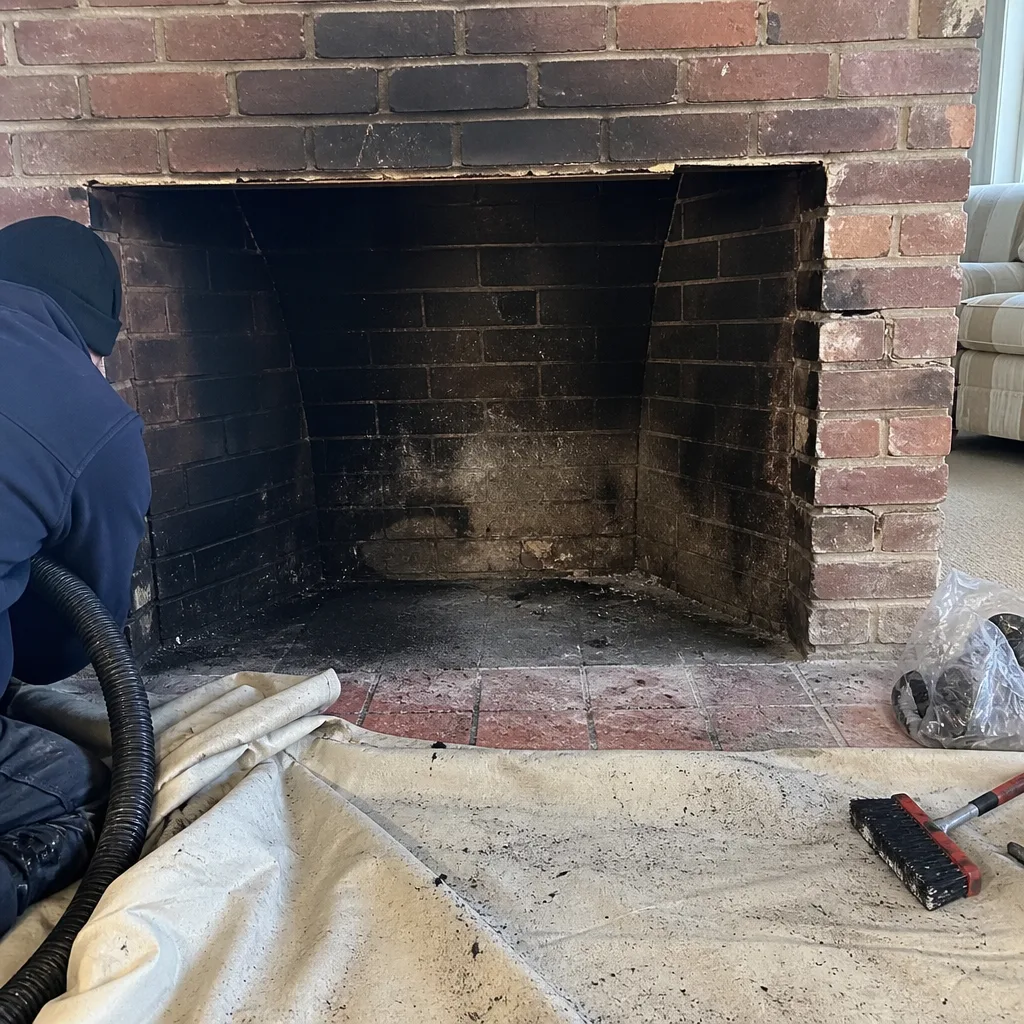 Before
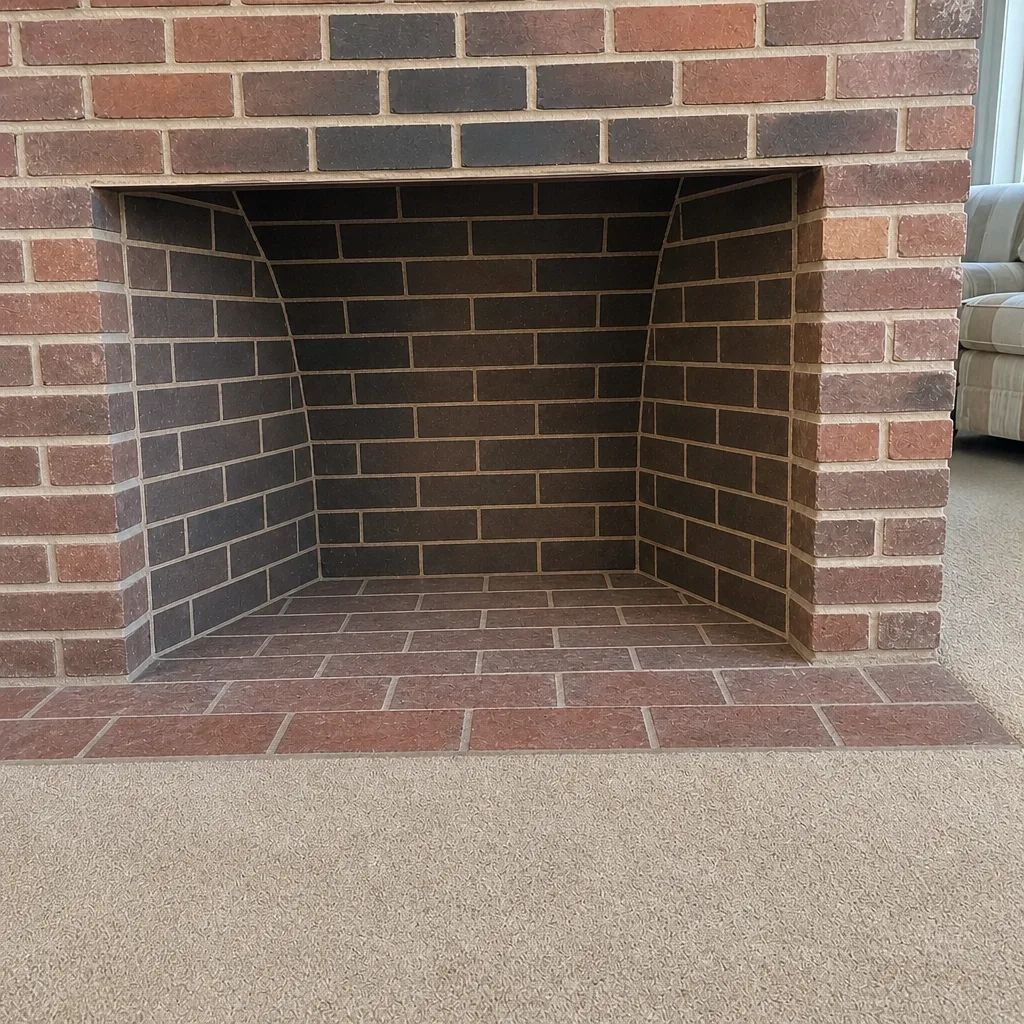 After
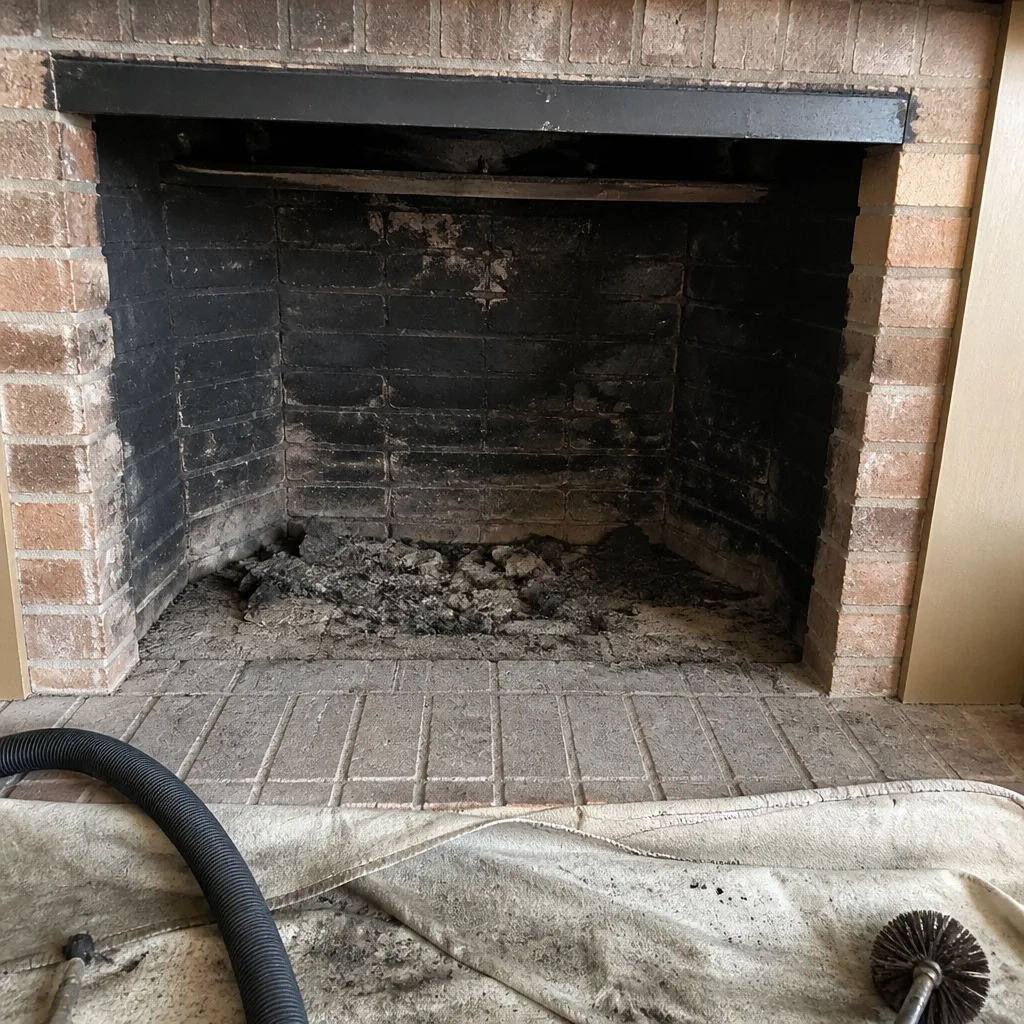 Before
 After
 Before
 After