
Last updated November 25, 2026
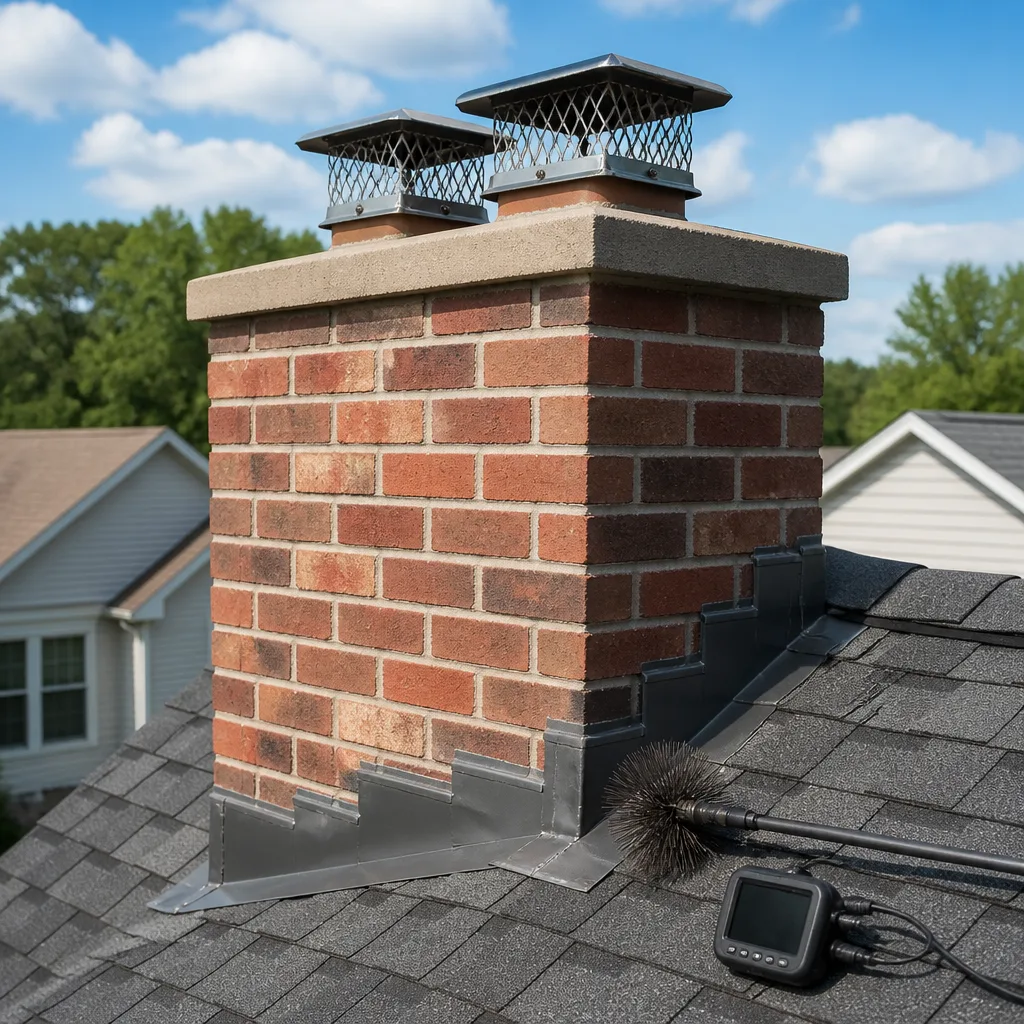 Sweep & inspection
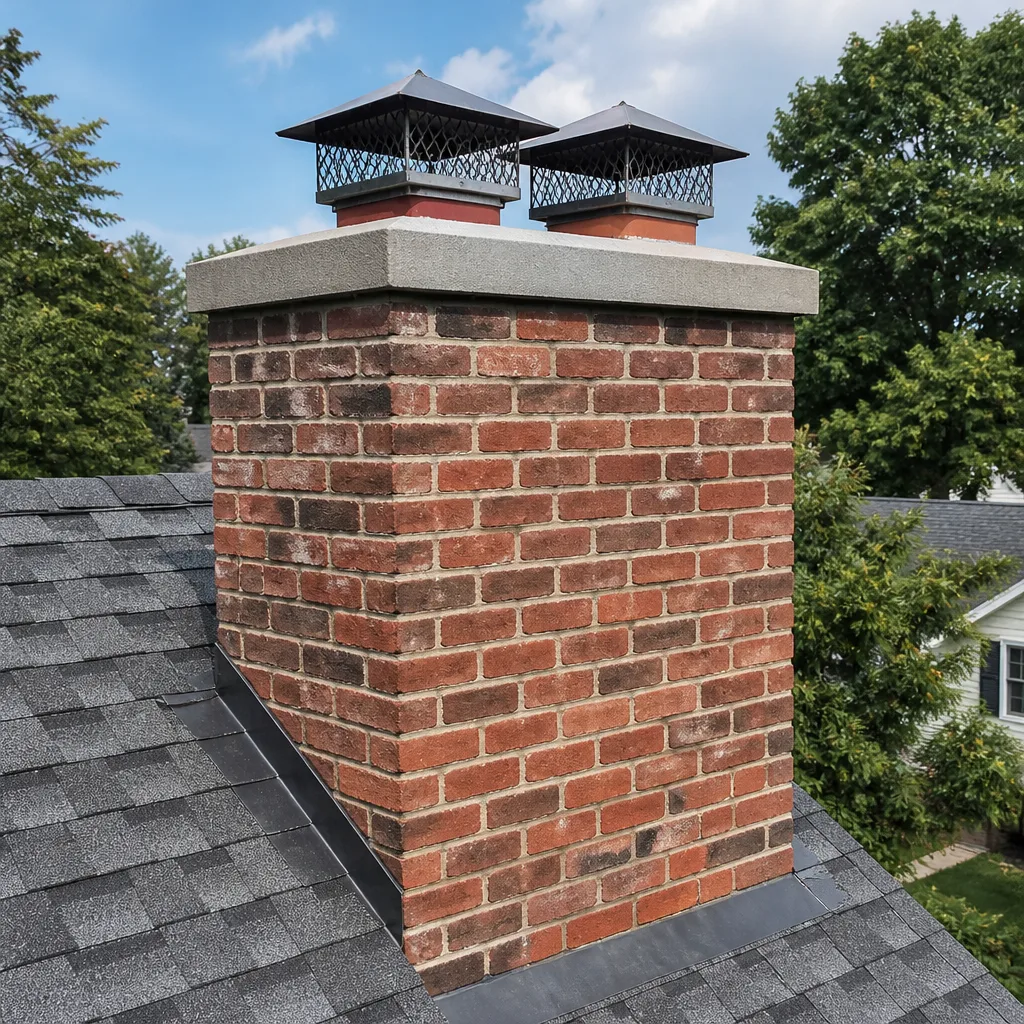 Caps & crowns
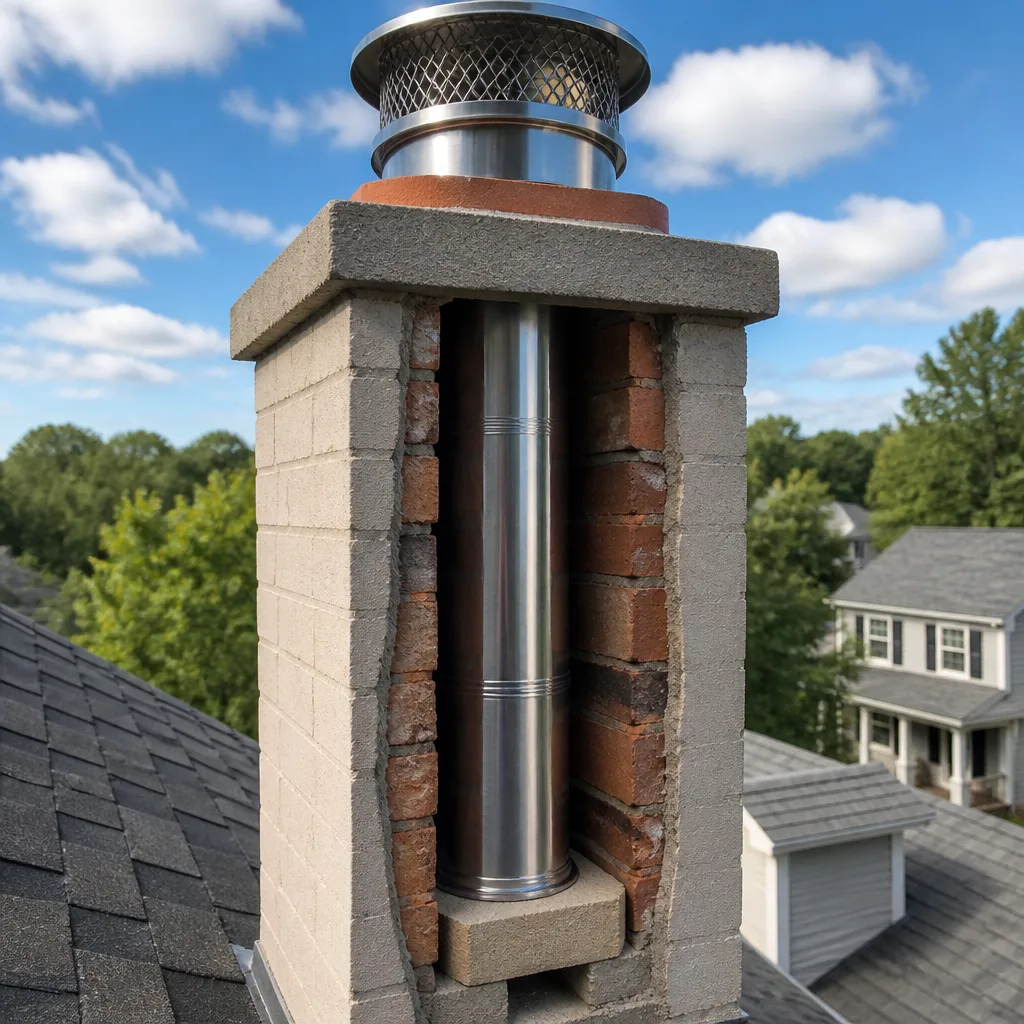 Flue relining
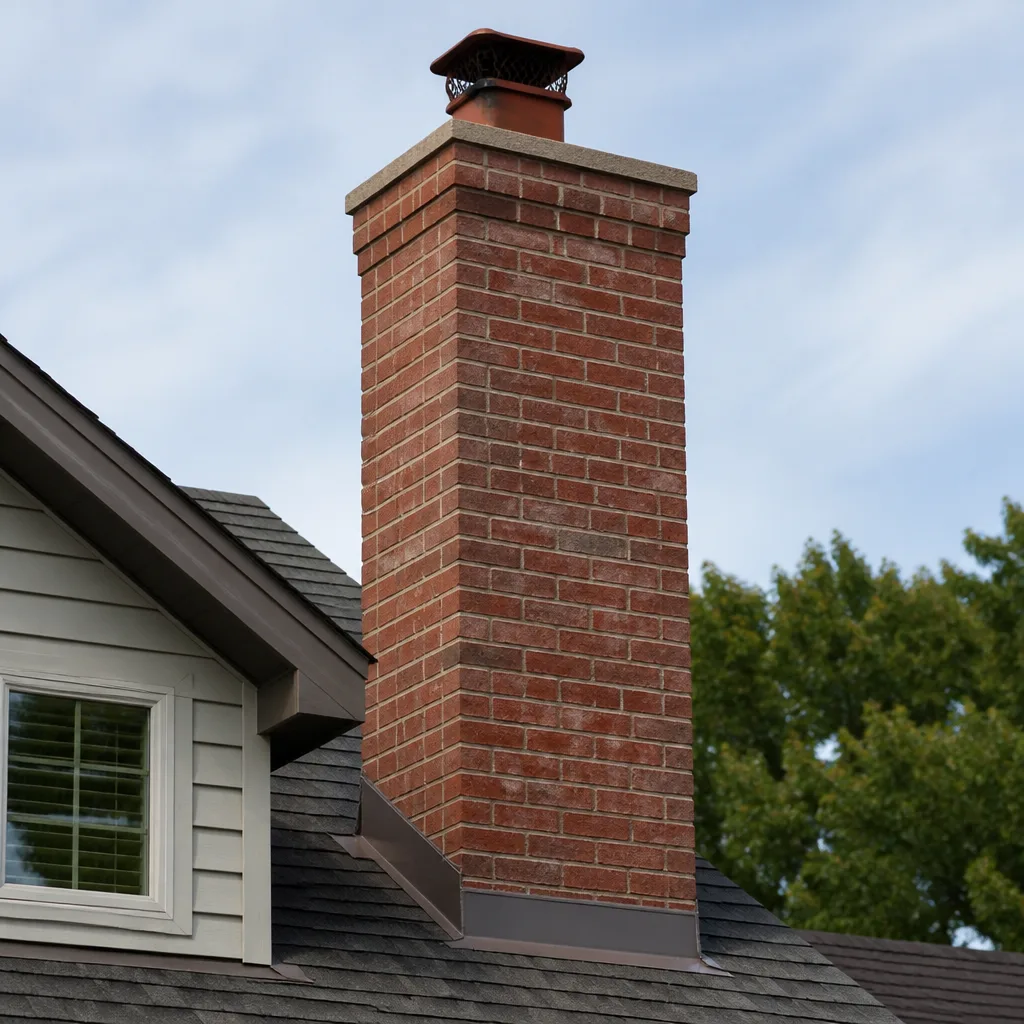 Masonry repair
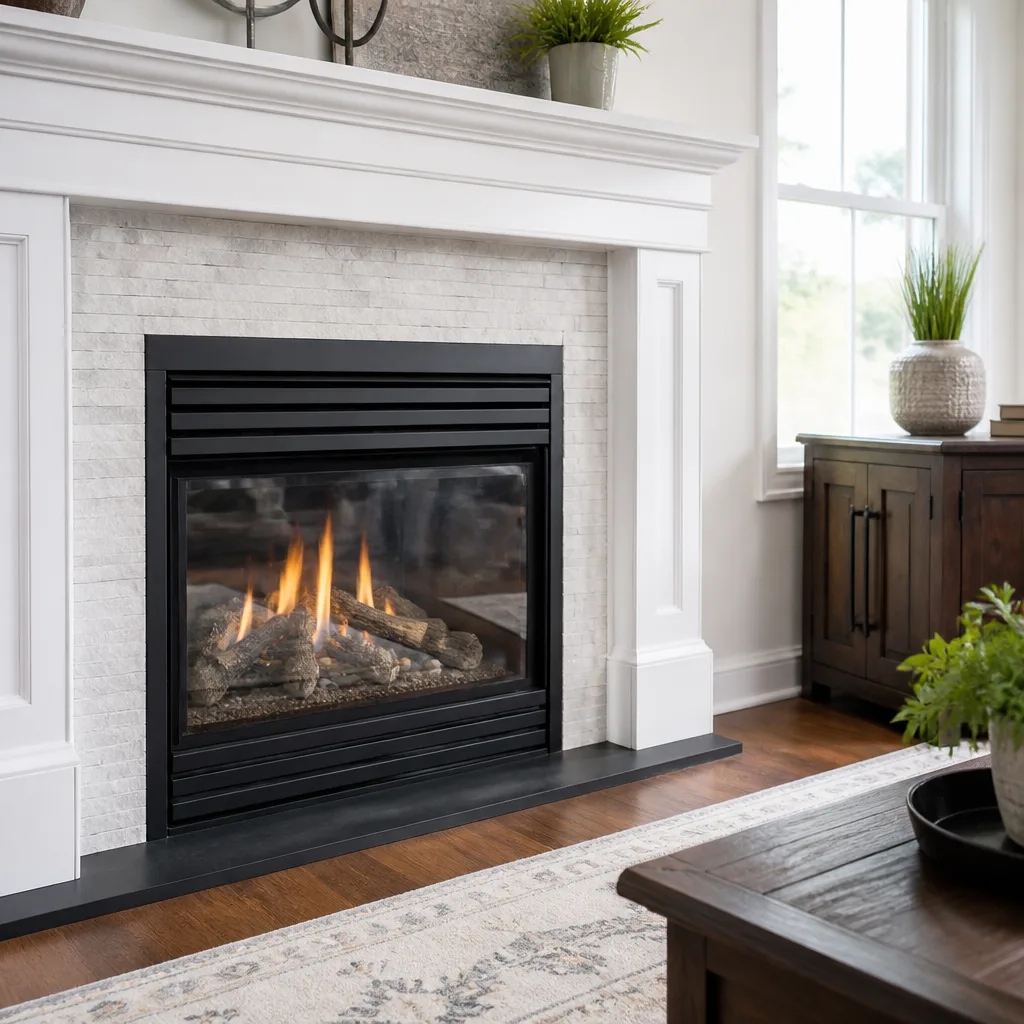 Gas fireplace service
Level 1 sweep and inspection to the NFPA 211 annual standard - flue, crown, cap, and flashing checked and photographed
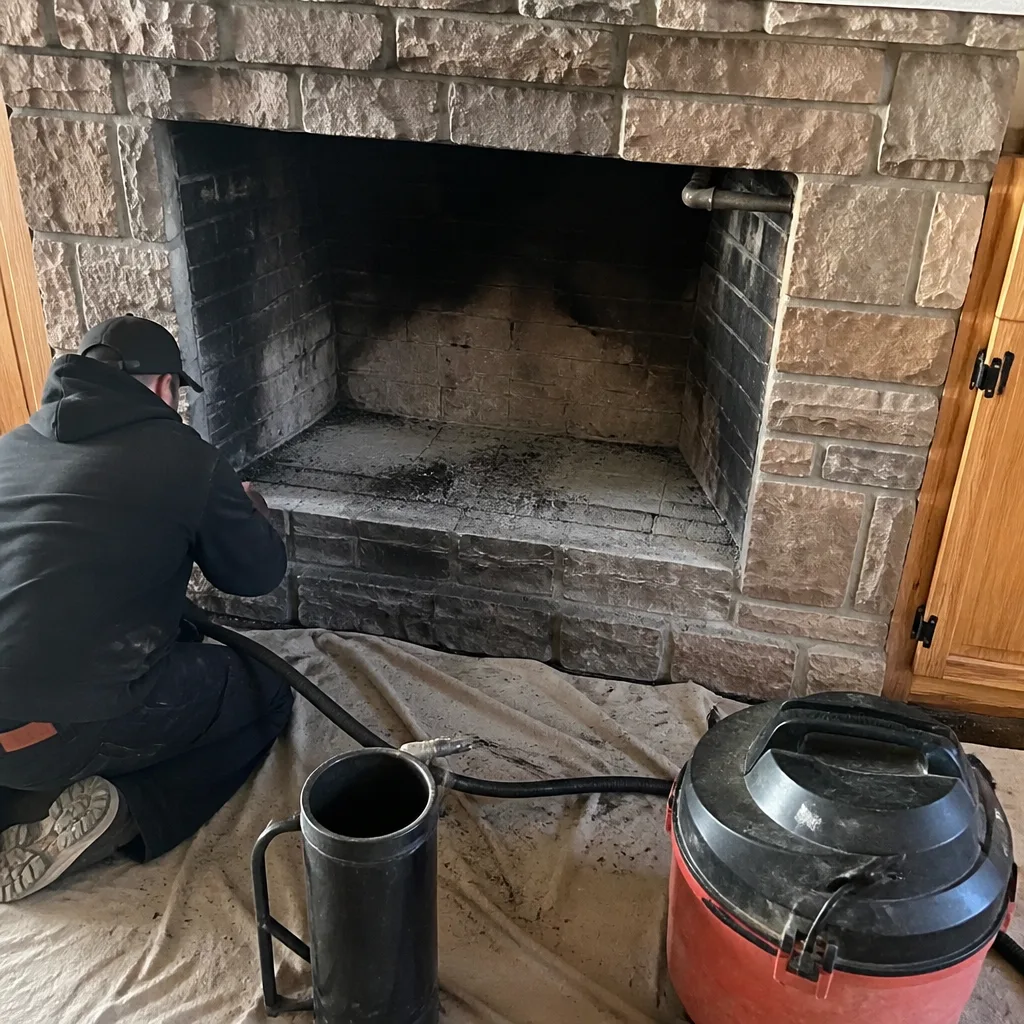
Chimney sweep logs do not sweep chimneys. They loosen some creosote - which then falls where a brush and vacuum still have to collect it.
Seasonal Chimney Cleaning Care for Broomfield: Year-Round Homeowner’s Guide
Most homeowners treat the chimney like a furnace filter: give it attention once a year and hope for the best. That approach works in climates that behave. Broomfield doesn’t behave. Spring delivers hard freeze-thaw cycles, summer brings intense sun on south-facing masonry, fall swings from 70 degrees to snow inside a week, and winter holds long cold stretches punctuated by chinook warm spells that melt snow on the roof while the flue is still cold. A chimney system moves through all four of those seasons, and each one stresses a different part of it. This guide walks through what to do and when, so you’re maintaining a chimney instead of repairing one.
Styles & brands we work with
- Sweep & inspection
- Caps & crowns
- Flue relining
- Masonry repair
- Gas fireplace service
Quick Answer
Chimney care in Broomfield should follow a seasonal rhythm: inspect and sweep in spring after heating season ends, handle masonry and cap repairs in summer while the weather is dry, sweep again and get a pre-season inspection in early fall before the first fire, and monitor from inside during winter. The single biggest mistake is waiting until October to book everything, when repair slots are gone and small crown cracks have grown into real water damage.
Table of Contents
- Why Seasonal Care Matters More in Broomfield Than in Milder Climates
- Spring: Post-Heating-Season Sweep and the Crack You Can’t See Yet
- Summer: The Repair Window Broomfield Homeowners Waste
- Fall: What “Ready to Burn” Actually Means
- Winter: Warning Signs You Can Catch From Inside the House
- Broomfield’s Spring Winds and What They Do to Caps
- A Month-by-Month Chimney Care Calendar for Broomfield
- Common Mistakes to Avoid
- When to Call a Professional
- Frequently Asked Questions
Why Seasonal Care Matters More in Broomfield Than in Milder Climates
A chimney in a mild coastal climate gets one enemy: moisture. A chimney in Broomfield gets four. The Front Range sits at altitude, which means intense UV exposure on masonry and metal, wide daily temperature swings that stress mortar joints, and a freeze-thaw pattern that repeats dozens of times each winter and spring. Each freeze cycle expands water trapped in a hairline crack, then the thaw leaves the crack slightly wider. Do that fifty times in a season and a crack you couldn’t see in November will be a visible gap by April.
On top of the temperature cycling, Broomfield sits in a wind corridor along the Front Range. Spring wind events are a known feature of the local climate, and they hit chimney caps, spark arrestors, and crown edges directly. A cap that was secure in October may be rattling by March. That’s the environmental picture. The maintenance picture is simpler: if you only think about your chimney in fall, you’re always reacting to damage that already happened months earlier. Seasonal care means getting ahead of it.
The stakes are real. A chimney with heavy creosote buildup is a fire risk, and a blocked or deteriorating flue can let combustion gases back into the house. Carbon monoxide is odorless, which is why the monitoring and inspection routine matters more than most homeowners realize. We’re not in the business of alarming people. We’re in the business of making sure a chimney drafts safely and sheds water, and the seasonal calendar is how you get there.
Spring: Post-Heating-Season Sweep and the Crack You Can’t See Yet
Spring is when Broomfield chimneys fail without anyone noticing. Snowmelt works its way into crown cracks that opened up during winter freeze-thaw cycles, and by July those cracks have widened into real pathways for water. The homeowners who catch it early are the ones who look up in April. Here’s what spring care involves:
- Sweep after the last fire, not before the first one. A spring sweep clears the creosote and soot that accumulated all winter, which removes corrosive material from the flue and gives you a clean baseline for inspection.
- Inspect the crown and cap for freeze-thaw damage. The crown is the concrete or mortar top of the chimney. Hairline cracks after a Colorado winter are common. Catching them in spring means they can be sealed before summer rain and fall moisture get in.
- Check the flashing where the chimney meets the roof. Snow sitting against flashing through repeated freeze cycles loosens it. A small leak at the flashing can rot roof decking long before you see a stain on the ceiling.
- Book any needed repair now, not in September. Repair schedules fill up as fall approaches. A crown repair you book in April gets done in April. One you call about in October may wait weeks, and by then the damage has had a full summer and fall to worsen.
If your fireplace or wood stove got heavy use through the winter, spring is also a good time to have the firebox checked. We apply HeatShield to restore deteriorated fireboxes and liner joints, and that kind of restorative work is best done when you’re not depending on the fireplace for heat. Spring gives you that breathing room.
Summer: The Repair Window Broomfield Homeowners Waste
Summer is the best time of year to do almost every chimney repair, and it’s also the season most homeowners forget the chimney exists. That’s a wasted opportunity. Here’s why summer works so well.
- No heating interruption. Relining a flue or rebuilding a crown takes time. In summer, that time costs you nothing because you’re not using the fireplace anyway.
- Dry, stable weather for masonry work. Repointing mortar joints, sealing a crown, and applying a liner system all need dry conditions to cure properly. Summer on the Front Range delivers those conditions far more reliably than spring or fall.
- Time for the repair to settle before heating season. If a new crown or cap gets installed in June, it has months to cure and prove itself before the first fire in October.
- Better availability for relining. A flue reline is one of the bigger jobs a chimney specialist does. Booking it in summer means the work gets done on a comfortable timeline instead of a rushed one.
Summer is also when chimney cap replacement makes the most sense. A cap does two jobs: it keeps rain and animals out of the flue, and it protects the crown from direct weather. Trade-grade caps from brands like Gelco and Famco are built to hold up to years of Front Range wind and sun, but even good caps wear out. Replacing one in summer, before the fall wind season, is straightforward and prevents a winter of water entry.
If you suspect your liner is deteriorating, a chimney inspection in summer will confirm it with camera evidence you can see yourself. We inspect before we recommend, every time. That means you see the condition of your flue before anyone talks about relining it.
Fall: What “Ready to Burn” Actually Means
Fall is when most Broomfield homeowners think about their chimney, and that’s a fine instinct. The problem is that fall is also when everyone else thinks about it, so inspection and sweep schedules get tight. The optimal window in Broomfield is early fall, ideally before the first hard freeze and definitely before the first fire. Here’s the technical standard a chimney should meet before you light up.
“Ready to burn” is not a feeling. It’s a set of conditions:
- The flue is clear of obstructions and excessive creosote. A sweep confirms this. Creosote in its glazed, third-degree form is the most combustible and needs professional removal.
- The damper opens, closes, and seals properly. A damper that won’t close fully wastes heat all winter and lets cold air down the flue when the fireplace is idle.
- The cap is secure and the spark arrestor is clear. A loose cap can come off in a wind event; a clogged arrestor restricts draft and can push smoke back into the room.
- The crown shows no open cracks or spalling. Water entering through the crown is the leading cause of premature chimney deterioration.
- The smoke chamber and firebox are intact. Cracks or gaps here are a fire path into the structure of the house. This is where HeatShield application comes in, restoring surfaces that have deteriorated.
- The liner is sound and correctly sized. If the liner is cracked, corroded, or missing, the chimney is not safe to use until it’s relined.
A proper pre-season inspection checks all of these. If you want a sense of what that involves, our chimney inspection page walks through it. For most homes, an annual fall inspection plus a sweep is the routine. If the chimney hasn’t been serviced in a few years, book earlier in the season to leave time for any repair before the first fire.
Winter: Warning Signs You Can Catch From Inside the House
You should never climb on your roof in winter to check the chimney. Ice, snow, and short daylight make it dangerous, and it’s not necessary. Most winter warning signs are visible or audible from inside, and catching them early is the difference between a small repair and a bigger one. Here’s what to watch for:
- Smoke rolling back into the room instead of going up. This usually means a draft problem, a blockage, or a cold flue that needs warming. If it happens consistently, stop using the fireplace and get it checked.
- A strong, persistent creosote smell, especially on warmer days. Creosote odor intensifies when temperatures rise and the flue warms. A strong smell can signal heavy buildup.
- Visible soot or dark staining around the fireplace opening or on the mantel. This points to a draft or venting issue that shouldn’t be ignored.
- Water stains on the ceiling near the chimney or on the chimney breast. Any new stain in winter means water is getting in somewhere, often at the crown, cap, or flashing.
- Loose pieces of mortar or tile in the firebox. Falling debris from the smoke chamber or liner is a sign of deterioration that needs evaluation.
- A carbon monoxide detector alarm. Leave the house immediately, call 911, and do not use the fireplace until the system has been professionally inspected.
Winter is monitoring season, not repair season. Big repairs are best scheduled for spring and summer. But if something fails mid-winter, that’s what we’re here for. If you smell creosote or see a draft problem, a chimney sweep and inspection can tell you whether it’s safe to keep burning.
Broomfield’s Spring Winds and What They Do to Caps
Anyone who’s lived in Broomfield through a spring knows the wind. The Front Range wind corridor sends strong, gusting events across the area, and chimney caps take the brunt of it. A cap sits at the very top of the system, exposed on all sides, and it’s usually the first component to show wear. What actually happens during a wind event:
- Loose fasteners work free. A cap that’s slightly loose ripples in the wind, and each gust loosens the screws a little more. After enough cycles, the cap can shift or come off entirely.
- Spark arrestors clog and bend. The mesh in a spark arrestor traps debris, and wind-driven ash packs it in. A clogged arrestor reduces draft and can push smoke back into the house.
- Cap edges lift and loosen. A flat or low-profile cap can lift at the edges under a strong gust, which opens a gap for water and animals.
- Crown edges chip. Wind-blown debris and the freeze-thaw cycle both stress the crown edge. Catching chips early prevents a full crown rebuild later.
After a big spring wind event, it’s worth a look at the cap from the ground. If it’s tilted, missing pieces, or rattling, get it checked. In our experience, Broomfield caps that survive a full year without attention often need replacement or re-securing by spring. Trade-grade caps from brands like Olympia Chimney and Famco are built for this climate, but they still need to be correctly installed and periodically checked.
A Month-by-Month Chimney Care Calendar for Broomfield
Here’s the seasonal rhythm in calendar form. Not every task applies every year, but this is the schedule that keeps a Broomfield chimney ahead of the weather instead of behind it.
- March – April: Post-winter visual check from the ground. Look at the cap, crown, and any visible flashing. Note anything that looks off.
- April – May: Book the post-heating-season sweep. Have the flue cleaned and inspected while it’s fresh off winter use.
- May – June: Schedule any needed crown, cap, or masonry repair for the summer window. This is when repair slots are open and weather cooperates.
- June – August: Complete relining, crown repair, cap replacement, and firebox restoration. No heating interruption, dry curing conditions.
- September: Book the pre-season inspection and fall sweep. Earlier is better than later.
- October: Confirm the system is ready to burn. Address any last issues before the first fire. If a repair is still pending, don’t burn until it’s done.
- November – February: Monitor from inside. Watch for smoke rollback, creosote smell, water stains, and CO detector alerts. Schedule mid-season sweep only if usage is heavy.
- February – March: During any warm spell, listen for ice and watch for new stains. Schedule the spring sweep.
For a look at how that sweep fits into the broader repair picture, our chimney repair page covers what happens if the inspection turns up deterioration. If the firebox itself needs work, fireplace repair is the relevant service. And for the broader picture of what we do, the Broomfield Chimney Sweep home page lays out the five core service categories: cleaning, inspection, fireplace repair, chimney repair, and cap and crown work.
Common Mistakes to Avoid
- Waiting until October to book anything. By then, repair schedules are full and small issues have had a full summer to worsen. Book the sweep and inspection in spring or early summer instead.
- Skipping the spring visual check. A two-minute look from the ground in April catches cap and crown problems before they become water damage. It costs nothing.
- Treating a sweep as a full inspection. They’re different services. A sweep cleans the flue; an inspection evaluates the whole system with a camera. You need both, though not always on the same visit.
- Assuming a cap is fine because it’s still attached. A cap can be loose, misaligned, or have a clogged arrestor and still be sitting there. Look for rattling or debris visible from the ground.
- Burning before the pre-season inspection is done. If the liner or smoke chamber is compromised, that first fire is the one that matters. Get the inspection first, then burn.
- Ignoring a creosote smell in winter. A persistent smell usually means heavy buildup. It’s worth a mid-season sweep if usage has been high.
- Climbing on the roof yourself to check things. Roofs in Broomfield are steep and often icy. Leave it to a trained professional with the right equipment.
When to Call a Professional
Some chimney care is seasonal routine; some of it needs a professional now. Call us if you notice smoke rolling back into the room consistently, a strong creosote smell that doesn’t go away, water stains near the chimney, loose mortar or debris in the firebox, a damaged or missing cap, or a carbon monoxide detector that’s gone off. Call us if it’s been more than a year since the last sweep and you use the fireplace regularly. Call us if you see visible cracks in the crown from the ground, or if a spring wind event has left the cap rattling or tilted. And call us before you light the first fire of the season if you haven’t had an inspection in a while. Safety comes first with chimney systems, and a professional can evaluate what you can’t see from the living room.
Broomfield Chimney Sweep offers free estimates in Broomfield. Call (866) 947-9222. We answer 24/7. Fast dispatch from 7am to 7pm, Sunday through Friday.
Frequently Asked Questions
Once a year for most homes, and more often if you burn heavily through the winter. The general rule is to have the chimney swept and inspected annually, and Broomfield’s long heating season means a spring sweep plus a fall inspection covers most households well. If you burn every day through winter, a mid-season check is worth considering.
Both matter, and they serve different purposes. A spring sweep removes the winter’s creosote and gives you a clean baseline for inspection while weather is good for any repair. A fall sweep and inspection confirm the system is ready to burn before the first fire. If you can only do one, do the fall inspection, but spring is the better time to catch and fix damage.
You can, but it’s a gamble, especially in Broomfield’s climate. A year without an inspection means a year in which a crown crack, cap problem, or liner issue has gone unnoticed. The cost of a sweep and inspection is small compared to what a water-damaged crown or relined flue runs. Skipping is one of the most common ways small issues become expensive ones.
Stop using the fireplace and get it checked. A persistent creosote smell usually means heavy buildup in the flue, and burning on top of heavy creosote is a fire risk. A mid-season sweep can clear it out and tell you whether the system is safe to keep using. Don’t wait for spring if the smell is strong.
Look at it from the ground after a wind event. Signs of damage include a cap that’s tilted, missing pieces, rattling in the wind, or showing gaps at the edges. A clogged spark arrestor can also cause draft problems even when the cap itself looks intact. If anything looks off, have it checked before the next wind event.
Do a visual check from the ground: look at the cap, the crown edges, and any flashing you can see. Note anything tilted, loose, or missing. Don’t climb up to inspect yourself; if something looks wrong, call a professional. Spring wind events are the most common cause of cap damage in Broomfield, so a quick look after a big storm is worth the two minutes.
The Bottom Line
Chimney care in Broomfield is a four-season rhythm, not a single annual event. Spring is for sweeping off the winter’s creosote and catching freeze-thaw cracks before they spread. Summer is for masonry, cap, and liner work, done without interrupting your heating season. Fall is for the pre-season inspection that confirms the system is genuinely ready to burn. Winter is for monitoring from inside, watching for smoke rollback, creosote smell, and water stains. Get that rhythm right and you’re maintaining a chimney instead of repairing one. The homeowners who catch problems early are the ones who look up in April, not the ones who call in October.
Our technicians have up to 10 years of experience, and we inspect before we recommend, every time. We name the brands we use because the materials matter as much as the labor, from HeatShield firebox restoration to Gelco and Famco caps. From your first annual sweep to a full crown rebuild, one company handles it. For a free estimate, call (866) 947-9222. We answer 24/7. Fast dispatch from 7am to 7pm, Sunday through Friday.
Written by the team at Broomfield Chimney Sweep.
See the difference
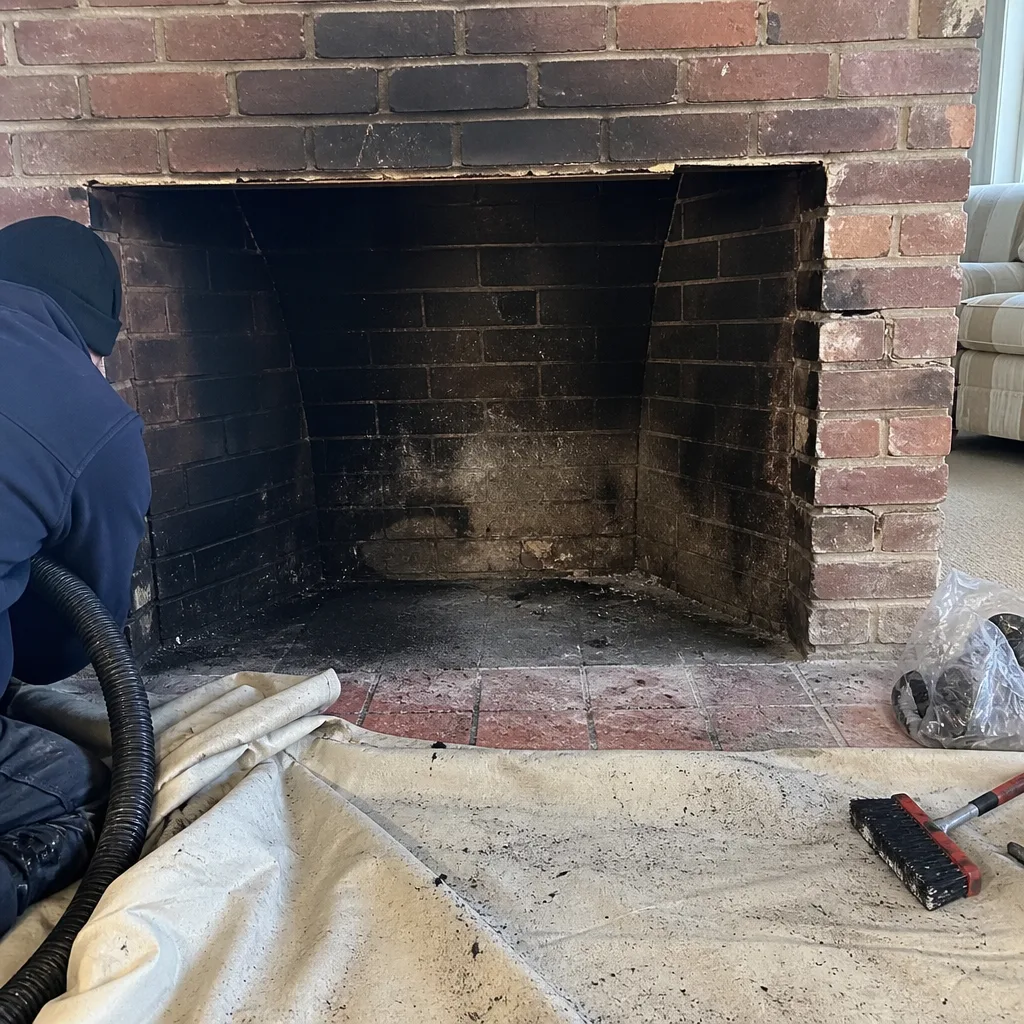 Before
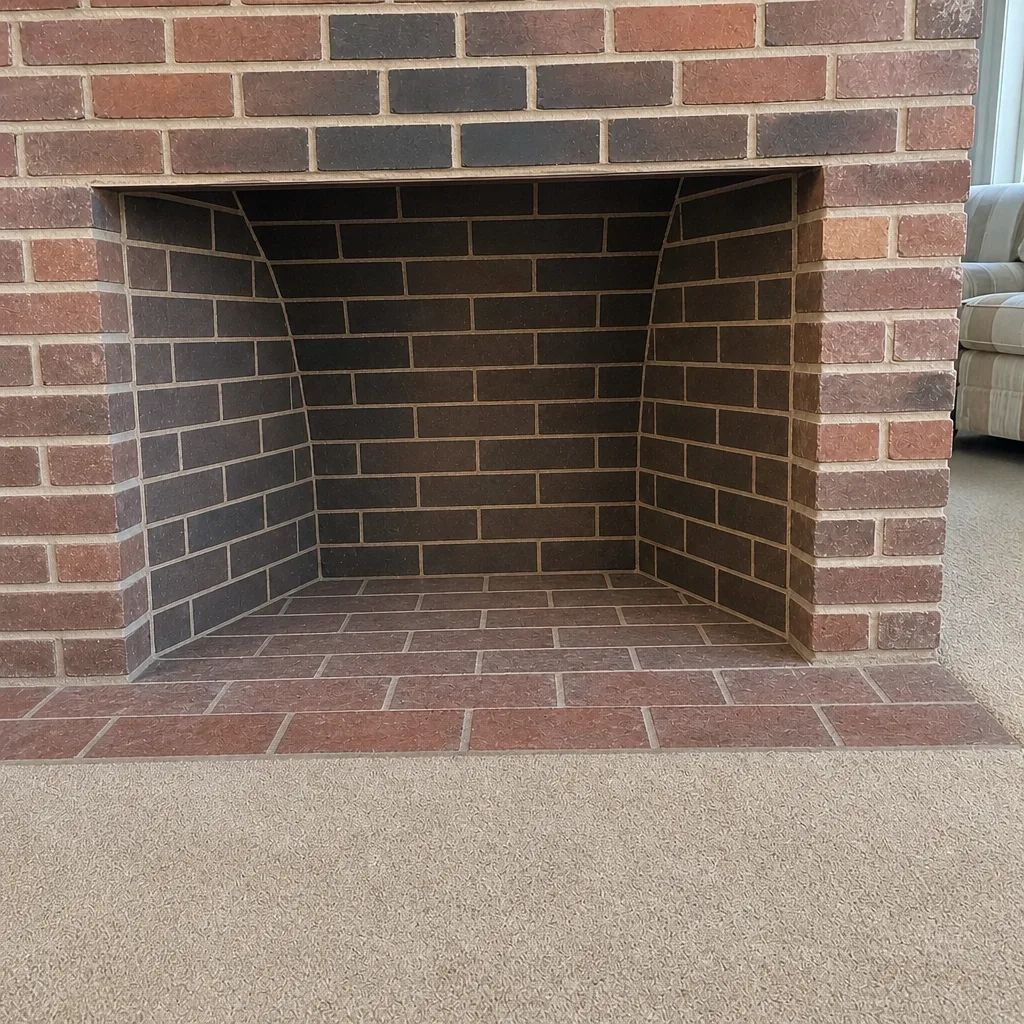 After
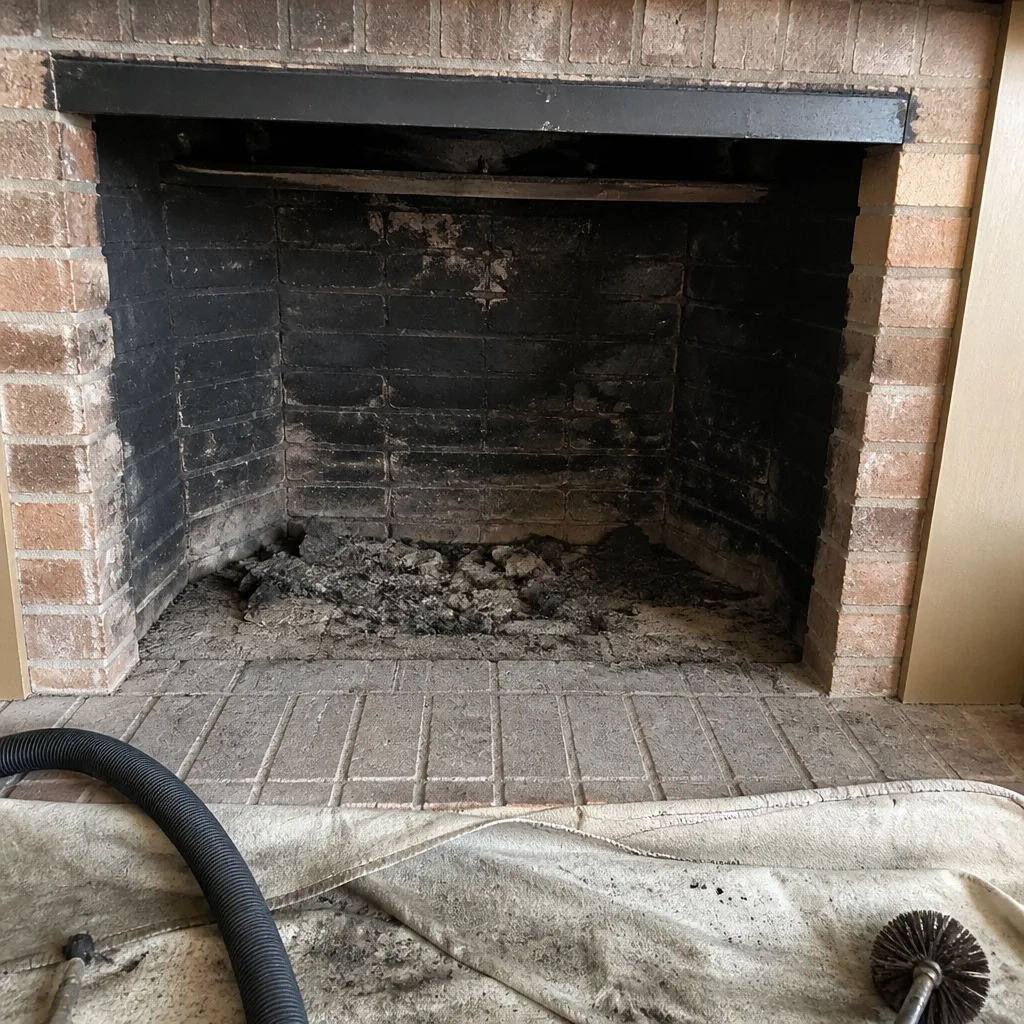 Before
 After
 Before
 After