
Last updated November 25, 2026
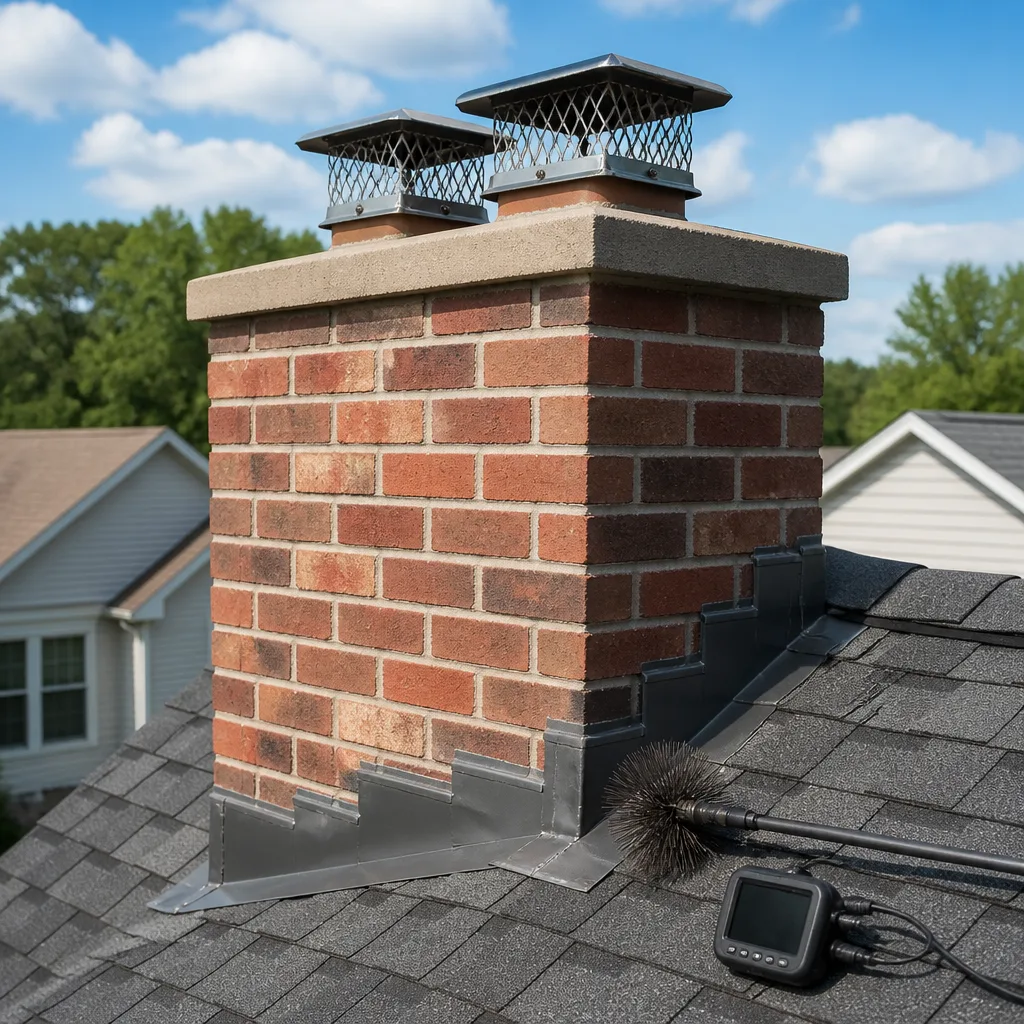 Sweep & inspection
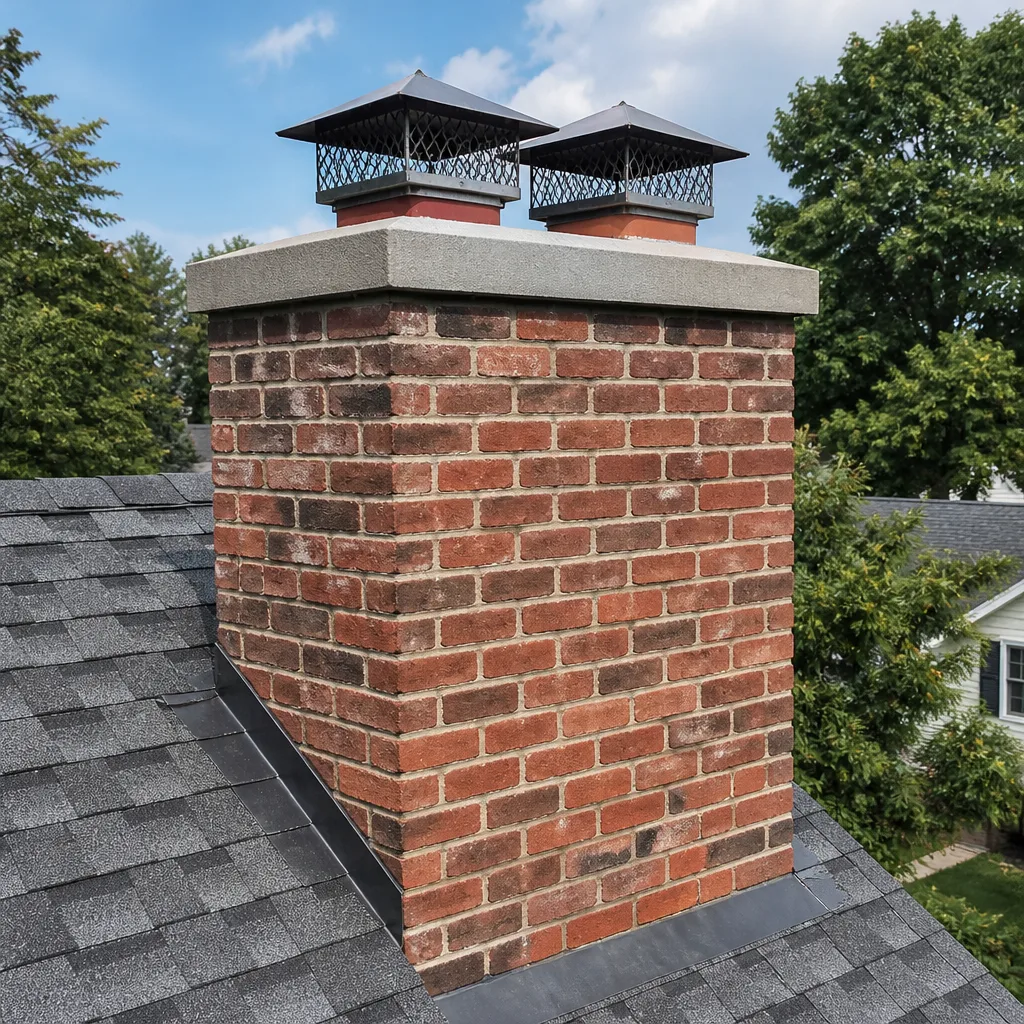 Caps & crowns
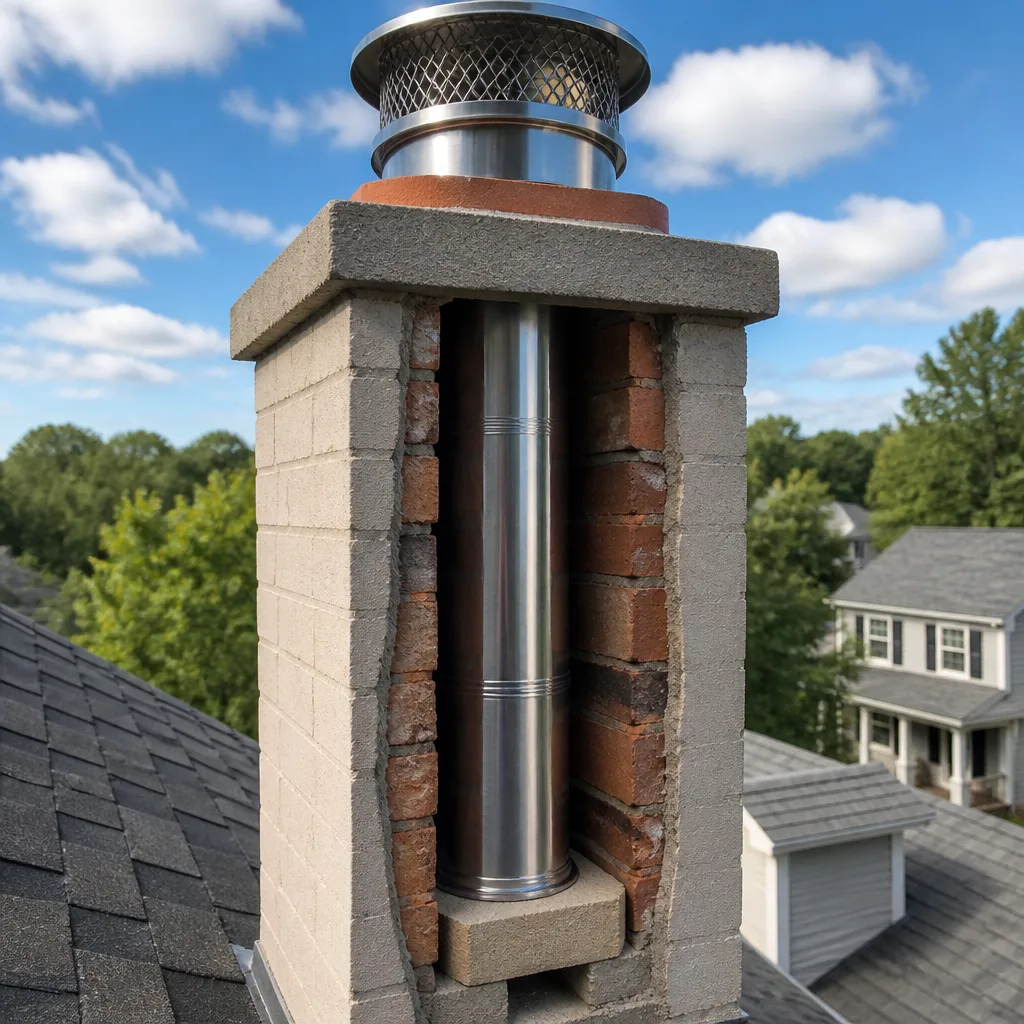 Flue relining
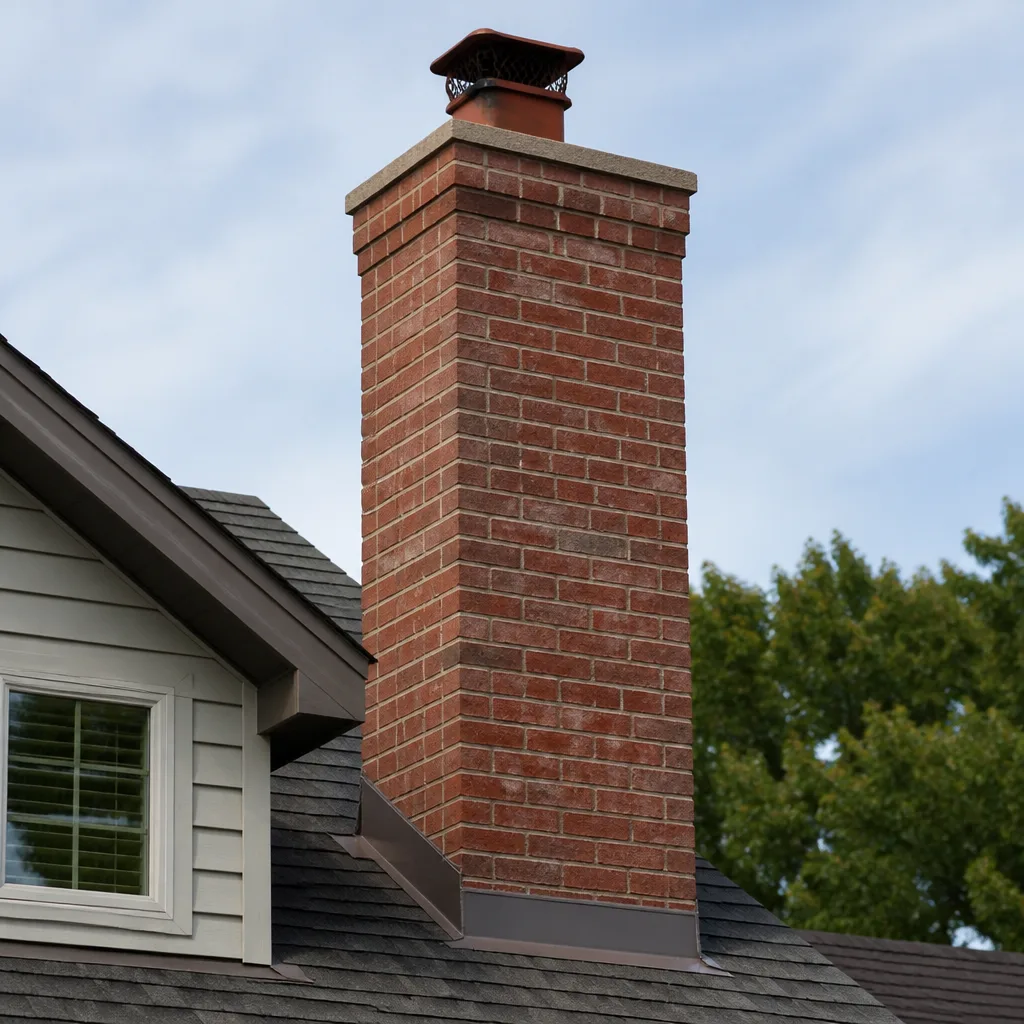 Masonry repair
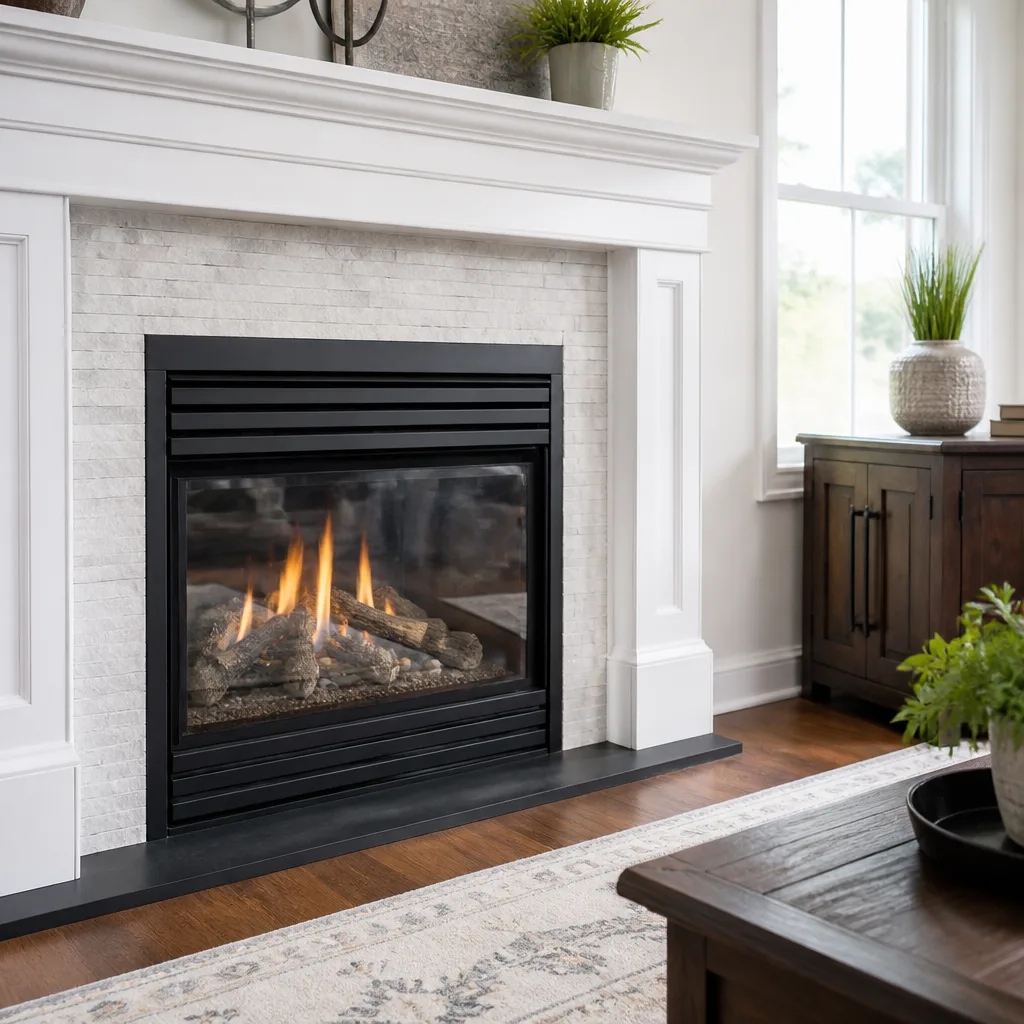 Gas fireplace service
Level 1 sweep and inspection to the NFPA 211 annual standard - flue, crown, cap, and flashing checked and photographed
Chimney sweep logs do not sweep chimneys. They loosen some creosote - which then falls where a brush and vacuum still have to collect it.
Chimney Cleaning Permits, Codes & Inspections in Broomfield, CO: What You Need to Know
No permit is required to sweep your chimney in Colorado. But if your sweep finds a cracked flue liner and replaces it without a permit, you could be holding an unpermitted repair when you sell your home. That gap between cleaning and construction is where most Broomfield homeowners get caught, because sweeping and repairing feel like the same appointment to the person writing the check. They aren’t. This guide maps exactly where the permit line sits in Broomfield, which repairs cross it, how Colorado’s residential code framework treats chimney work, and why a municipal inspection and a CSIA inspection answer two completely different questions.
Quick Answer
Chimney cleaning does not require a permit in Broomfield, Colorado, but many repairs uncovered during cleaning do. Liner replacement, firebox rebuilds, and new gas appliance venting typically fall under permit requirements tied to Broomfield’s adopted residential code. The inspection you book with a chimney professional is a separate trade-standard evaluation and never replaces a municipal permit inspection, or the other way around.
Styles & brands we work with
- Sweep & inspection
- Caps & crowns
- Flue relining
- Masonry repair
- Gas fireplace service
Table of Contents
- Where the Permit Line Actually Sits in Broomfield
- Colorado’s Residential Code Framework and Broomfield’s Local Amendments
- NFPA 211: The Standard Behind Every Chimney Installation
- CSIA Inspection Levels and What Each One Covers
- Code Inspection vs. CSIA Inspection: Two Different Jobs
- What “Sold As-Is” Means for Chimney Condition in Colorado
- Insert Upgrades, Wood-Burning Appliances, and Local Code
- What to Ask Before You Book Any Chimney Work
Where the Permit Line Actually Sits in Broomfield
The simplest way to remember it: anything that removes creosote is maintenance, and anything that changes the structure or the venting path is construction. Maintenance needs no permit. Construction usually does. Sweeping, visual inspection, cap replacement on an existing chase, and minor crown sealing sit on the maintenance side of that line. Liner replacement, firebox rebuild, and venting for a newly installed gas appliance sit on the construction side.
Here’s how the categories typically break down:
- No permit expected: annual sweeping, Level 1 visual inspection, standard cap and screen replacement, minor crown crack sealing, damper hardware service.
- Permit likely required: relining a flue, rebuilding a firebox, replacing a chimney above the roofline, adding or replacing a wood-burning insert, installing venting for a new gas fireplace or gas log set.
- Ask the building department directly: masonry crown rebuilds, chase cover fabrication, and any change to the flue’s termination height.
We say “likely” and “typically” on purpose. Broomfield administers its own permits, and the answer depends on the scope written on the application. A liner swap done as a straight like-for-like replacement is sometimes handled differently than a liner installed as part of a heating appliance changeout. The only way to know for certain is to describe the actual scope to the city and get it in writing. What we can tell you is that the line is real, and repairs done on the wrong side of it become a title problem later. If your cleaning appointment turns up a structural finding, our chimney repair work always starts with a scope you can read and a conversation about whether the city wants to see a permit.
Colorado’s Residential Code Framework and Broomfield’s Local Amendments
Colorado has no statewide residential building code. Each municipality adopts its own, and most, including Broomfield, work from the International Residential Code as their base document. That’s the framework the IRC provides: a model code that covers one- and two-family dwellings, including the chimney and venting chapters. What matters for a Broomfield homeowner is not the IRC in the abstract, but the version Broomfield has adopted and the amendments the city has layered on top.
Local amendments to the IRC are where cities adjust the model code to their own conditions. In a Front Range community like Broomfield, those adjustments often touch wood-burning appliance installations, venting clearances, and how a chimney is permitted relative to the rest of a heating system. We’ve watched Broomfield tighten how inserts and wood stoves are documented over the years, which makes sense: the Front Range has its own air-quality concerns, and the county’s wildfire exposure north of the Flatirons pushes venting and spark-arrestor details into sharper focus than they’d get in a wetter climate.
What this means practically:
- Confirm which IRC edition Broomfield is currently enforcing before you scope a repair. Adoption cycles vary.
- Ask whether the work falls under the residential code’s chimney and venting chapter or under a separate mechanical permit.
- Get the permit scope in writing, including whether the inspection happens at rough-in, final, or both.
An unpermitted liner or insert doesn’t just sit there quietly. It surfaces at resale, at insurance review after a claim, and sometimes at the next inspection when a technician finds a component nobody can document. The cost of the permit is small next to the cost of explaining an undocumented flue to a buyer’s inspector.
NFPA 211: The Standard Behind Every Chimney Installation
NFPA 211 is the standard for chimneys, fireplaces, vents, and solid fuel-burning appliances, and it’s the document a CSIA inspection actually measures your system against. The building code tells a contractor what’s legal to build in Broomfield. NFPA 211 tells an inspector what safe looks like. They usually agree, but not always, and when they diverge the stricter one governs the recommendation.
NFPA 211 covers the things that determine whether your chimney drafts safely and holds up over time:
- Clearances from combustibles, including the often-missed gap between the chimney and framing
- Flue sizing relative to the appliance it serves
- Venting height and termination requirements above the roofline
- Requirements for relining a flue when the original liner has deteriorated
- Chimney cap and spark arrestor provisions
When we specify a DuraFlex liner or an Olympia Chimney cap, we’re picking a product that meets the standard, not just one that fits the hole. That’s the reason brand choice matters as much as labor in this trade: a properly rated liner installed to NFPA 211 clearances will perform the way the appliance manufacturer expects it to. A liner that meets neither will draft poorly, collect creosote faster, and fail inspection at resale. The standard is the yardstick. The brand is just the tool you’re holding against it.
CSIA Inspection Levels and What Each One Covers
The Chimney Safety Institute of America defines three inspection levels, and the level you need depends on what’s changing about the system, not how worried you feel. Every one of these is a trade-standard evaluation, separate from any municipal inspection. Here’s the breakdown:
- Level 1 (visual): A visual check of the readily accessible portions of the chimney and connected appliance. This is the annual inspection paired with your sweep, and it’s appropriate when nothing about the system has changed and you’re not buying or selling the home.
- Level 2 (visible + accessible): Everything in a Level 1 plus examination of accessible areas, including the attic, crawlspace, and the flue interior by camera. This is the level required when a home changes hands, when an appliance is replaced, or when a change in the system’s condition is suspected.
- Level 3 (diagnostic): A Level 2 plus investigation of concealed areas, which may mean opening a wall or removing part of the chimney. This happens when a hazard is suspected but can’t be confirmed at Level 2.
Most Broomfield homes are served well by an annual Level 1 with sweeping, plus a Level 2 whenever the house is sold or an appliance is swapped. The common mistake is booking a Level 1 before a sale and assuming it satisfies the buyer’s inspector. It doesn’t, and the re-inspection usually costs more than the Level 2 would have the first time. We offer chimney inspection as a standalone service precisely because you should be able to buy the diagnostic without a repair attached to it.
Code Inspection vs. CSIA Inspection: Two Different Jobs
A code inspection is performed by a municipal inspector to confirm that permitted work matches the adopted building code. A CSIA Level inspection is performed by a chimney professional to evaluate the system against NFPA 211. Neither one substitutes for the other, and confusing them has caused homeowners to think they’re covered when they aren’t.
Here’s the practical difference:
- Who performs it: The city inspector for a code inspection. A trained chimney technician for a CSIA inspection.
- What it evaluates: Code compliance on a permitted scope versus the condition and safety of the whole system.
- When it’s required: Code inspections are triggered by a permit. CSIA inspections are triggered by a sale, an appliance change, or an annual maintenance rhythm.
- What it produces: A code inspection generates a pass or fail on the permit. A CSIA inspection generates a written report you can use for a sale, insurance, or your own planning.
- What it misses: A code inspection may not catch deterioration in an unpermitted portion of the system. A CSIA inspection won’t tell you whether the work was permitted.
If you’ve just had a liner replaced under permit, the city will sign off on the work it approved. That sign-off doesn’t tell you whether the rest of the chimney has a cracked crown or a failing firebox joint. That’s a separate conversation, and it’s the one our inspection exists to have. We inspect before we recommend, every time, and we’ll tell you plainly when a finding can wait a season.
What “Sold As-Is” Means for Chimney Condition in Colorado
“Sold as-is” in a Colorado real estate transaction means the seller isn’t obligated to repair defects, but it does not exempt the home from inspection. The buyer can still inspect, and chimney condition is one of the items most likely to be discovered and negotiated. This is where the Level 2 inspection requirement around a home sale does its real work: the seller who knows the condition of the flue before listing has an honest basis for pricing, and the seller who doesn’t finds out at the buyer’s inspector’s convenience.
What the buyer’s inspector is looking for, and what a Level 2 reveals:
- Whether the flue liner is intact, or has gaps, spalling, or missing sections
- Whether the chimney meets current clearances, including any abandoned appliance vents
- Whether there’s an unpermitted repair already in place (a replacement liner, a rebuilt firebox, a swapped insert)
- Whether the crown and flashing are shedding water properly
In Broomfield, that last item deserves extra attention. The freeze-thaw swings between the Front Range’s cold nights and sunny days work on masonry cracks the way our clay soils work on foundations: they open a little each season. A crown with a hairline crack that’s been ignored through three winters can look like a structural surprise by the time a buyer’s inspector sees it. The seller’s cheapest move is a Level 2 before listing. The buyer’s cheapest move is the same inspection before waiving anything.
Insert Upgrades, Wood-Burning Appliances, and Local Code
Adding a wood-burning insert, replacing a gas log set, or upgrading to a new gas fireplace isn’t a swap of one box for another in Broomfield’s eyes. Each of these changes the venting path, and venting paths are what the code gets exercised about. An insert installed without documentation becomes an unpermitted alteration that a sale inspector will find and a buyer’s lender may ask about.
What to expect when you’re considering an upgrade:
- Venting gets re-evaluated. The flue has to be sized and rated for the appliance, which is why liner replacement and insert install often happen together.
- A permit is usually part of the package. Your contractor should be able to tell you which permit applies before the work starts, not after.
- The liner brand matters. We specify DuraFlex and similar trade-grade liner systems because they’re built to be rated for the appliance class they serve. A general handyman pick from the home store is not the same product.
- Documentation matters. Keep the permit, the inspection sign-off, and the liner spec with your home records. When you sell, that paperwork is worth more than the appearance of the firebox.
We’ve seen Broomfield homeowners skip the permit step because the insert itself was “just a box in a fireplace,” and then spend a season explaining the unpermitted alteration to a buyer’s inspector. The permit is not the part of the job that makes the job dangerous. The missing permit is.
What to Ask Before You Book Any Chimney Work
Five questions separate a chimney specialist from a sweep-and-go operation, and they’re worth asking before anyone puts a ladder against your house. These are the questions our customers ask us, and the ones we’d want answered if we were the ones booking.
- What level of inspection will you perform, and will I get the report in writing? A camera inspection with photo documentation tells you what’s actually inside the flue. A verbal “looks good” doesn’t survive a sale.
- Which brands do you install, and are they rated for my appliance? DuraFlex, HeatShield, Gelco, Olympia Chimney, Famco, and Copperfield are the names a chimney specialist should be able to talk about without looking them up. HeatShield restoration, in particular, is a repair technique many sweep-only companies can’t offer.
- Will this repair need a permit, and who pulls it? If the answer is “it doesn’t need one” for a liner replacement, ask why. A specialist knows the difference between maintenance and construction.
- What happens if you find something you didn’t expect? The right answer is a photo, an explanation, and a written scope before any additional work. Not a verbal upsell on the spot.
- Is the cap and crown included in your assessment? Water intrusion from a failed crown is the leading cause of premature chimney deterioration, and it’s the thing general cleaners overlook. Our chimney cap and crown service exists because repair without a watertight top is a job half done.
Notice what these questions don’t ask: price first. Price matters, but only after you know what’s being done, at what level, with what materials, and under what permit. A written Broomfield Chimney Sweep estimate lays all of that out before you commit to anything.
Common Mistakes to Avoid
- Assuming cleaning and repair sit on the same side of the permit line. Sweeping your Broomfield chimney needs no permit. Rebuilding a firebox does. Confusing the two is the single most common way homeowners end up with unpermitted structural work.
- Booking a Level 1 before a sale. A buyer’s inspector will ask for a Level 2, and the re-inspection costs more than the correct inspection would have. Book the level the situation actually requires.
- Skipping the permit to “save money.” The unpermitted repair surfaces at resale, at insurance review, and sometimes the next time the flue is examined. The permit is the cheap part of the job.
- Letting a general handyman install a liner. Liner systems carry ratings and clearances that require product knowledge to spec correctly. A liner chosen off the shelf isn’t the same as a DuraFlex liner installed to NFPA 211.
- Ignoring the crown until the masonry is failing. Broomfield’s freeze-thaw cycles open small cracks wider each season. Crown and cap work is the cheapest chimney service and the highest-leverage one.
- Mistaking a city permit sign-off for a clean bill of health. A code inspection confirms permitted work matches the code. It doesn’t tell you whether the rest of the system is safe.
- Waiting for a smell or a draft problem before booking an inspection. Creosote buildup and worn liners are often invisible from below. The inspection is how you find out, not the smell.
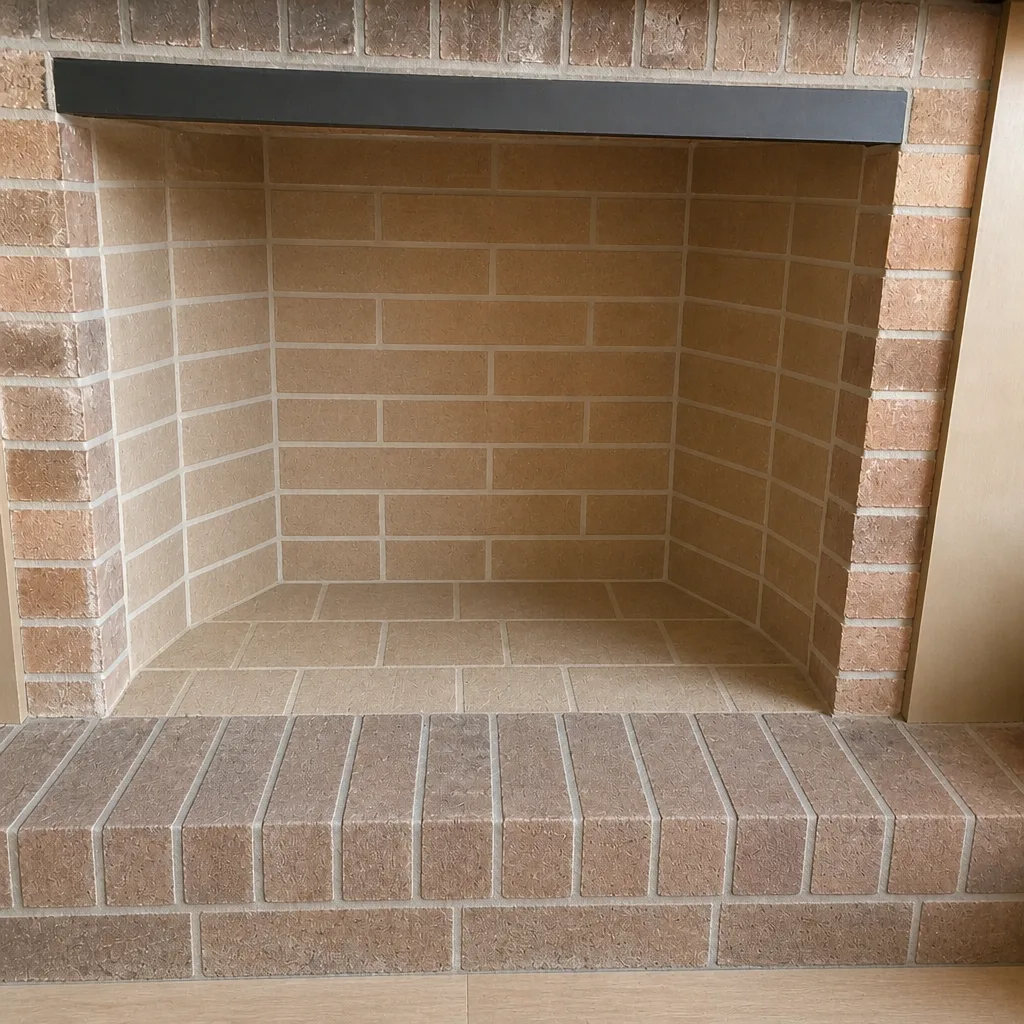
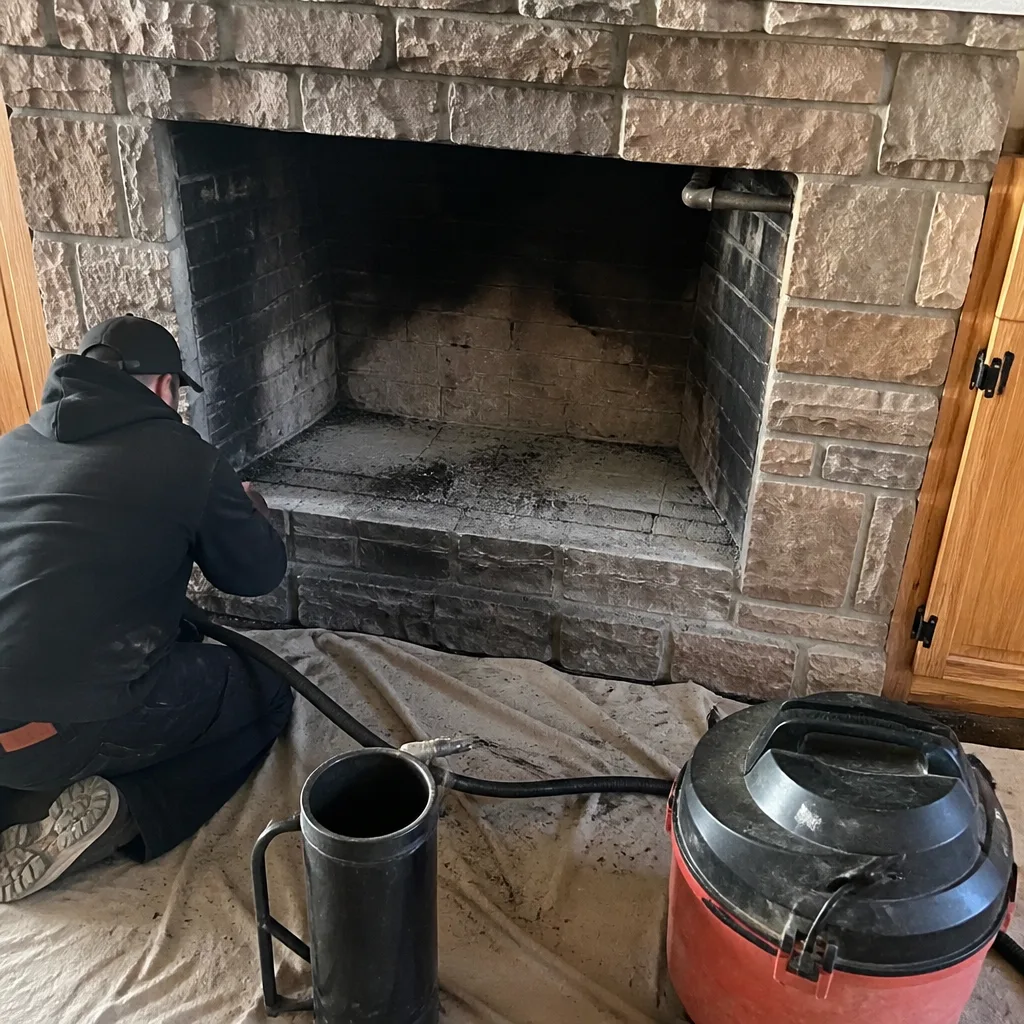
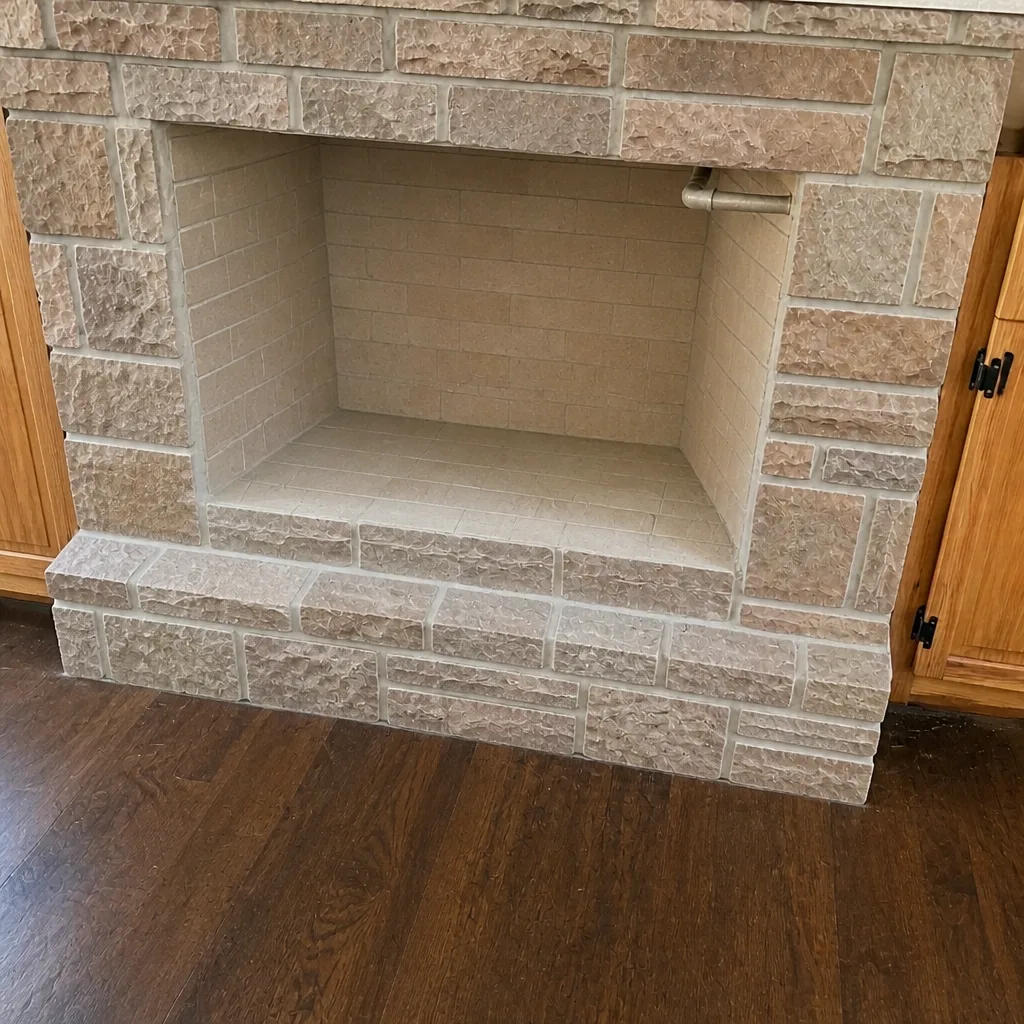
See the difference
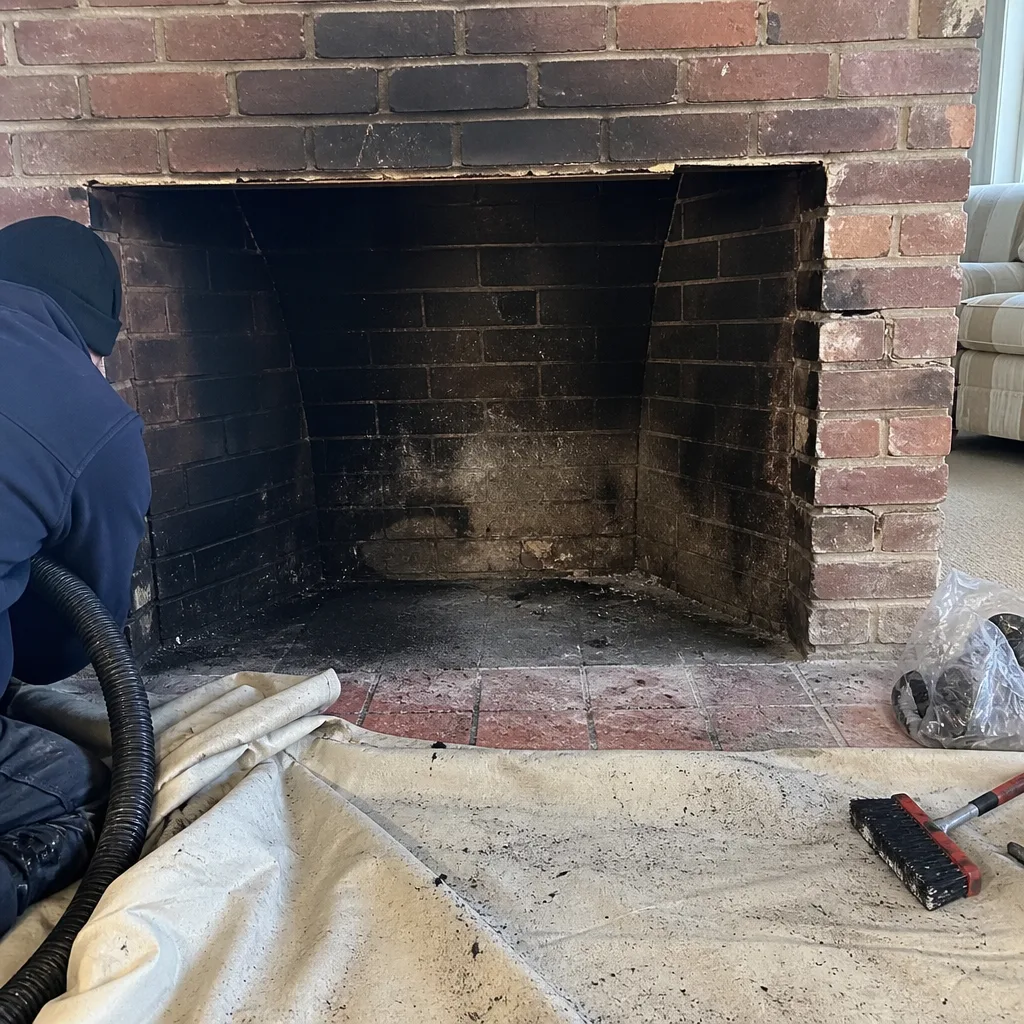 Before
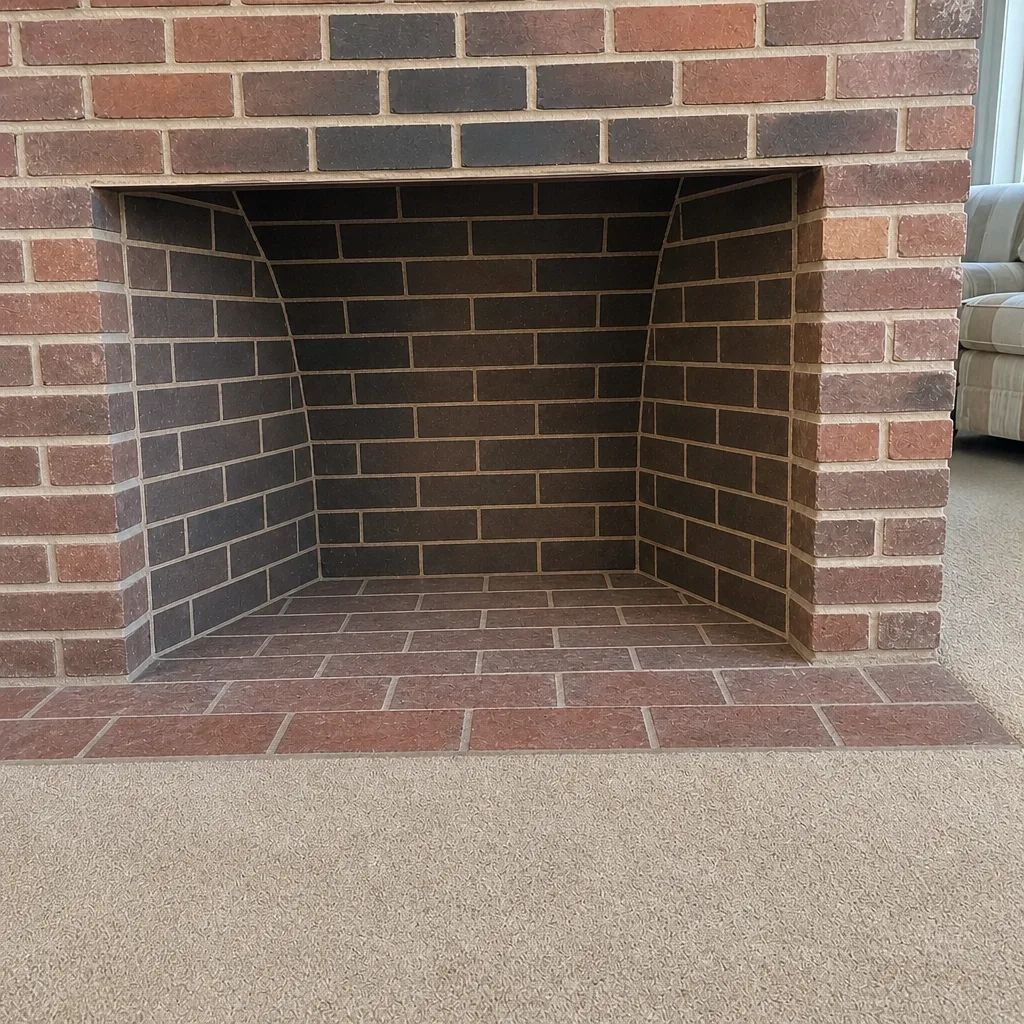 After
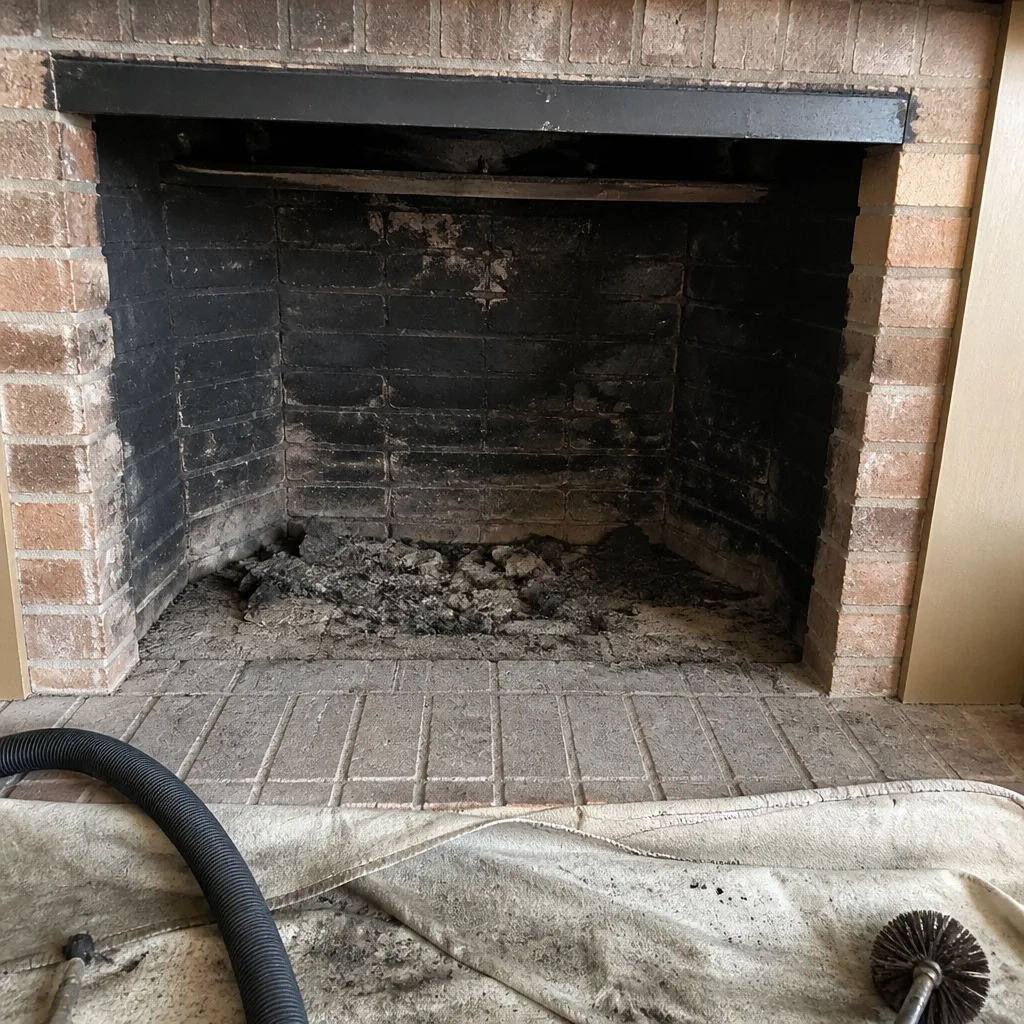 Before
 After
 Before
 After
When to Call a Professional
Some of what a chimney needs is maintenance you can schedule on your own rhythm. Other situations call for a professional now. If you’re buying or selling a home in Broomfield, book the Level 2 inspection before anything gets negotiated. If you’ve just installed a wood-burning insert or gas appliance without a permit paper trail, get the scope evaluated before the paperwork problem compounds. If you’re seeing creosote flakes on the hearth, water stains on the ceiling near the chase, or a firebox with visible cracks, those findings need eyes on them. And if you’re years out from your last sweep and burning regularly, the inspection is overdue regardless of how the fire is behaving. Broomfield Chimney Sweep offers free estimates in Broomfield – call (866) 947-9222. Our technicians have up to 10 years of experience, and we inspect before we recommend, every time.
Frequently Asked Questions
No. Chimney cleaning and sweeping are maintenance and don’t require a permit in Broomfield. Repairs uncovered during cleaning, such as liner replacement, firebox rebuilds, or new gas appliance venting, typically do require a permit, and that’s the distinction worth confirming before any repair work begins.
Replacing a flue liner usually requires a permit when it’s part of a structural repair or an appliance changeout, though the exact requirement depends on the scope Broomfield’s building department is reviewing. A straight like-for-like liner swap may be handled differently than a liner installed as part of an insert upgrade. Have your contractor describe the scope to the city in writing before work starts.
A municipal inspection confirms permitted work complies with the adopted building code, while a CSIA inspection evaluates the whole chimney system against NFPA 211. The city inspector passes or fails the permit; the chimney professional produces a written report on system condition. Neither one covers the other’s job, and you’ll often need both.
A Level 2 inspection is the trade standard for a change of ownership because it examines accessible areas including the flue interior by camera, which a Level 1 visual doesn’t. It’s how a buyer learns whether the liner is intact, whether a prior repair was permitted, and what the crown and flashing condition actually is. “Sold as-is” doesn’t exempt a Colorado home from that evaluation.
Yes. An unpermitted repair, such as a liner replacement or firebox rebuild done without documentation, can surface during a buyer’s inspection and become a negotiation item or a lender question. In Broomfield, where the sale inspection is real, the permit and inspection records are the difference between a clean paper trail and a surprise.
Adding a wood-burning insert typically requires a permit because it changes the venting path, and venting falls under the adopted residential code and its local amendments. The liner may also need replacement to match the appliance’s rating. Confirm the permit scope with the city before installation, and keep the paperwork with your home records.
Call (866) 947-9222 to book a free estimate and a scope written against the level of inspection your situation actually needs. Call (866) 947-9222. We answer 24/7. Fast dispatch from 7am to 7pm, Sunday through Friday.
The Bottom Line
Cleaning your chimney needs no permit in Broomfield. The repairs that cleaning uncovers often do. That distinction matters more here than in most places because Broomfield administers its own permits, works from an adopted IRC with local amendments, and sees real freeze-thaw pressure on masonry most seasons. A municipal inspection answers whether permitted work matches the code. A CSIA inspection answers whether the system is safe against NFPA 211. If you’re selling, book the Level 2 first. If you’re upgrading, confirm the permit scope and the liner brand before install. If you’re maintaining, sweep on a rhythm and fix the crown before it becomes a rebuild. We build our work around chimney sweep and fireplace repair because those are the appointments where the real findings turn up. Everything downstream depends on what the first inspection sees.
Written by the team at Broomfield Chimney Sweep.