
Last updated November 25, 2026
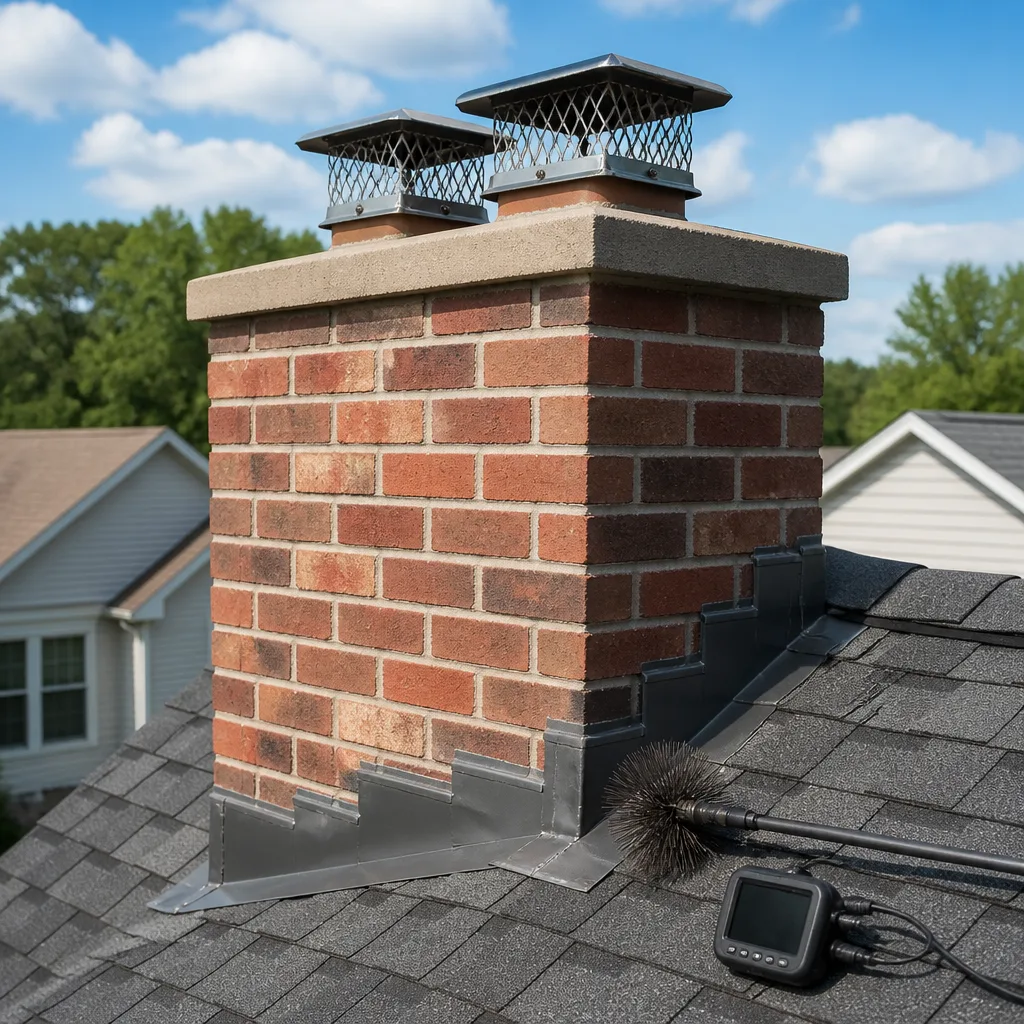 Sweep & inspection
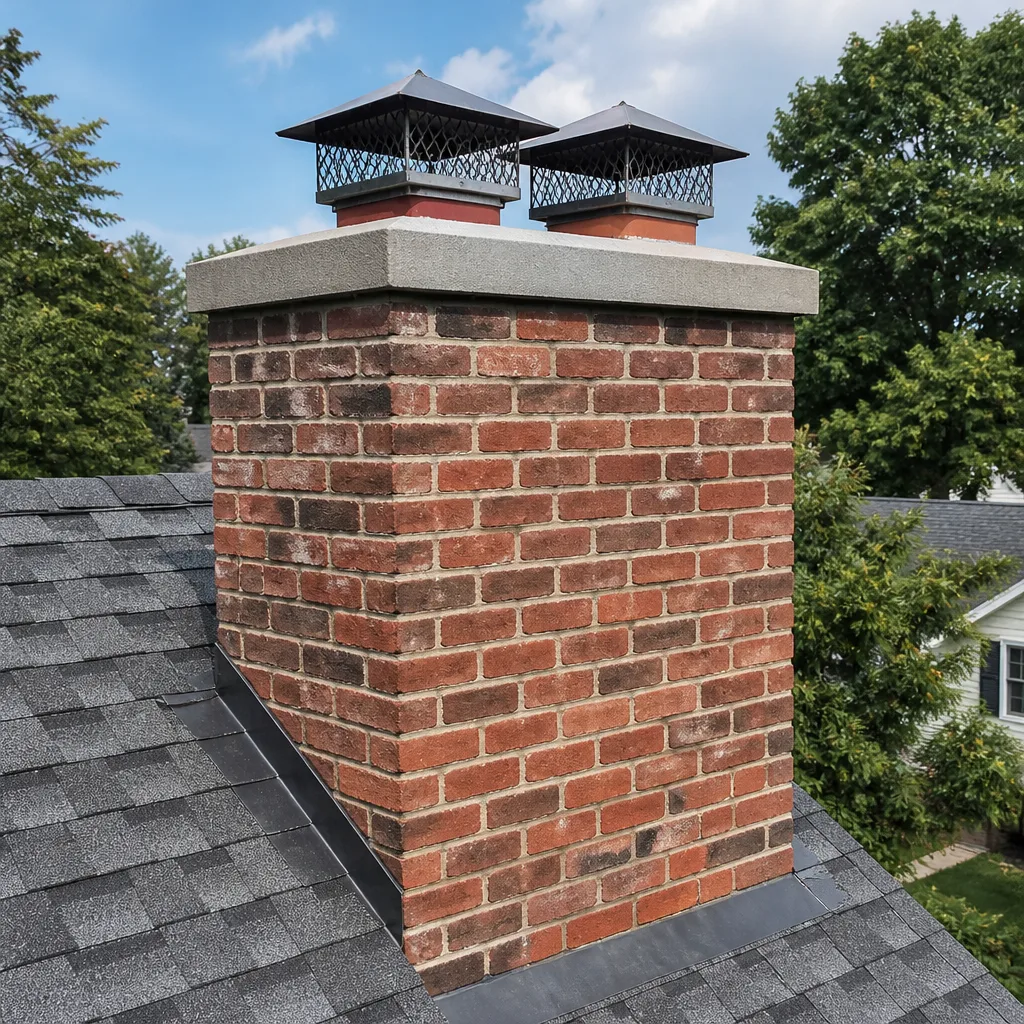 Caps & crowns
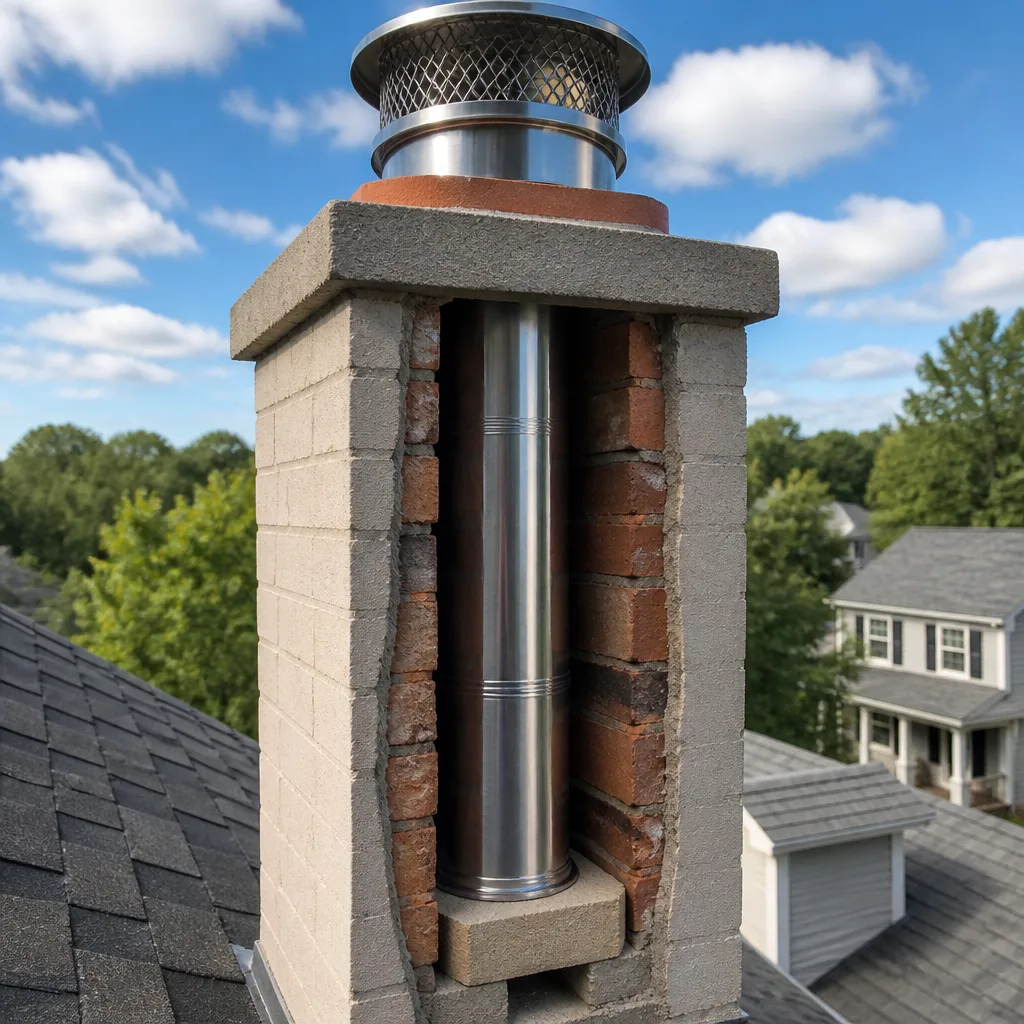 Flue relining
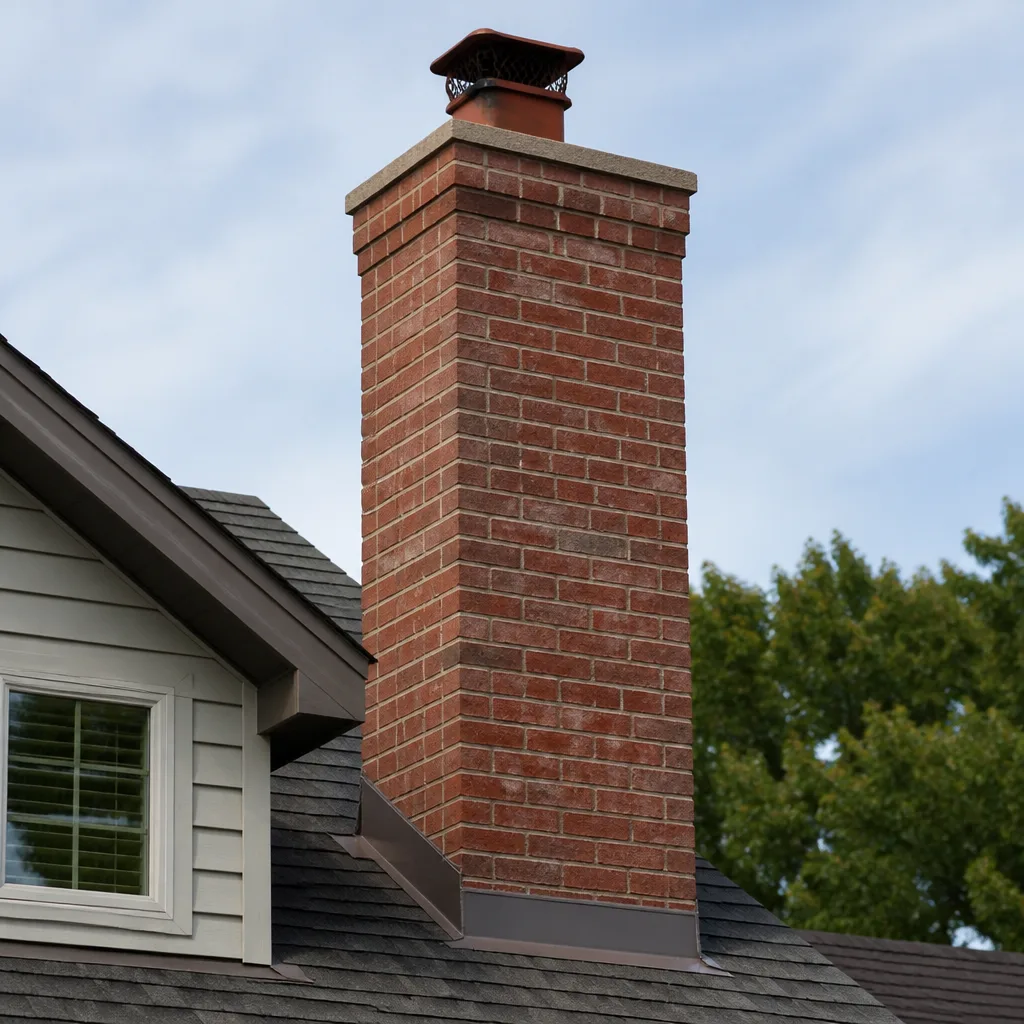 Masonry repair
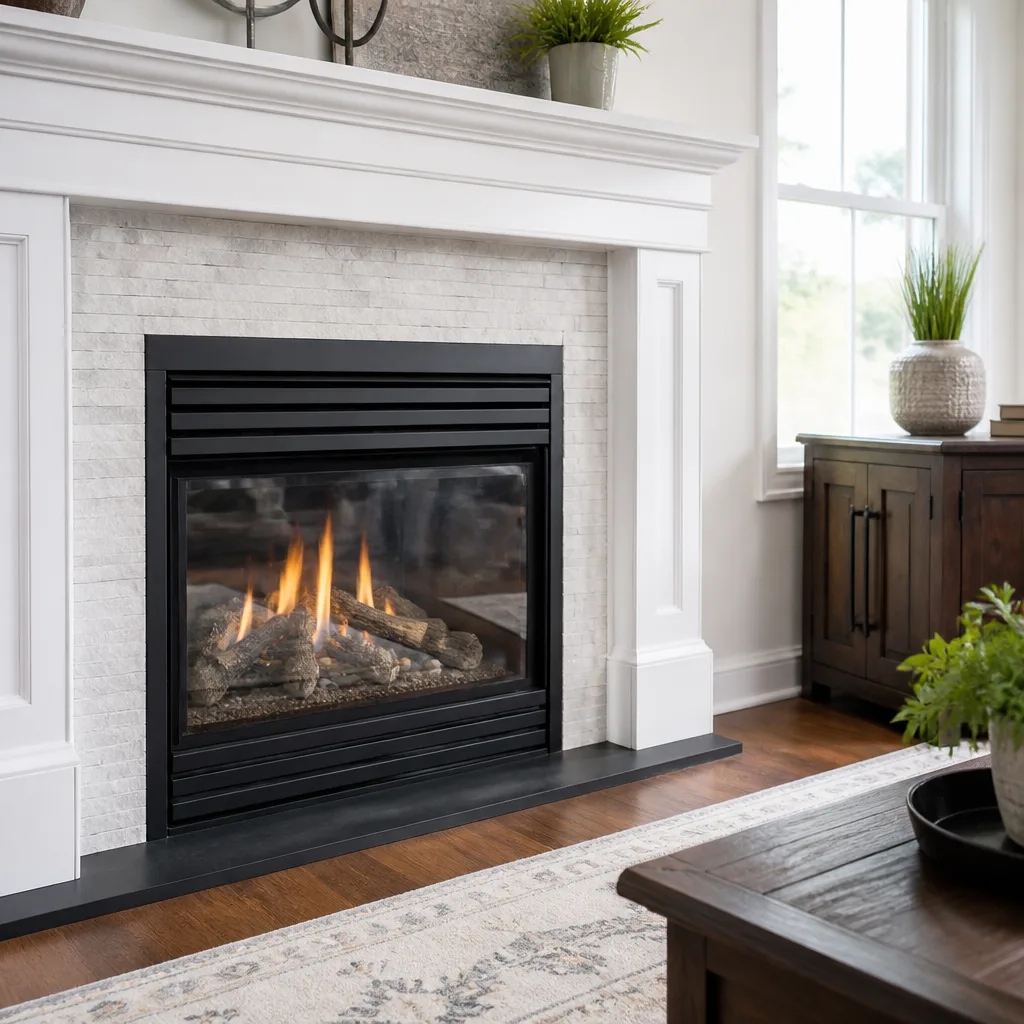 Gas fireplace service
Level 1 sweep and inspection to the NFPA 211 annual standard - flue, crown, cap, and flashing checked and photographed
Chimney sweep logs do not sweep chimneys. They loosen some creosote - which then falls where a brush and vacuum still have to collect it.
Choosing the Right Chimney Cleaning Brand: A Buyer’s Guide for Broomfield
When a chimney sweep recommends a stainless steel liner, the brand of that liner often determines whether it carries a lifetime warranty or a five-year one, and most homeowners don’t know to ask which they’re getting. The same holds for caps, dampers, and crown sealants: two products that look identical on the invoice can be a decade apart in how long they last. In Broomfield, where hail, freeze-thaw cycles, and dry winters stress every chimney component, the materials matter as much as the labor. This guide translates trade brand knowledge into plain buying criteria, so you know what to ask, what the answers mean, and what to write into your records before the work starts.
Quick Answer
The right chimney cleaning “brand” is less about the sweep’s logo and more about the product brands the sweep specifies: ask for specific trade names and model numbers for liner systems, caps, dampers, and crown sealants, not vague “professional grade” language. Recognized chimney-industry brands such as Gelco, Olympia Chimney, Famco, and Copperfield are what trained installers name by product because they hold up to Colorado’s hail and freeze-thaw. A chimney professional who can name what they install, explain why, and put it in writing is the one to hire in Broomfield.
Styles & brands we work with
- Sweep & inspection
- Caps & crowns
- Flue relining
- Masonry repair
- Gas fireplace service
Table of Contents
- Why the Brand of a Chimney Product Matters More Than You Think
- The Four Product Categories Where Brand Matters Most
- How Colorado’s Climate Punishes Commodity Chimney Products
- Recognized Trade Brands and What Each Is Known For
- How to Ask Your Sweep What Brand They Use (and Read the Answer)
- The Warranty Transfer Question Before You Sell Your Broomfield Home
- Why the Cheapest Chimney Cap Fails Fastest in Broomfield
- Common Mistakes to Avoid
- When to Call a Professional
- Frequently Asked Questions
- The Bottom Line
Why the Brand of a Chimney Product Matters More Than You Think
Most homeowners choose a chimney company the way they choose a plumber: by the phone call, the price, and whether the technician seems honest. Brand rarely enters the conversation. That’s understandable, because until a technician climbs onto the roof and recommends a specific product, the homeowner has no reason to think about it. But once a liner, cap, damper, or crown sealant goes in, the brand is what determines how many seasons pass before you’re paying for it again.
Consider a flexible stainless steel liner. A well-made liner system from a recognized manufacturer can carry a warranty measured in decades; a commodity liner cut from unknown stock may carry a fraction of that, or nothing at all. Both look like a shiny metal tube from the ground. The difference shows up eight or ten winters later when a seam fails and the flue starts leaking creosote or exhaust gases into places they should never be.
The same logic applies to chimney caps, top-sealing dampers, and crown sealants. These are small components that absorb the worst of what a Broomfield roof throws at them: hail, UV, wind-driven rain, and the freeze-thaw swings that open hairline cracks into real ones. A cap made from thin galvanized steel can be dented or rusted through in a few seasons; a heavier stainless cap from a trade manufacturer keeps doing its job.
This guide is written for the homeowner who wants a chimney specialist they can trust year after year, not the cheapest bid from a generalist who orders whatever the supply house has on the shelf. By the end, you’ll know which product categories matter most, how to read a contractor’s answer, and what to put in writing for resale.
The Four Product Categories Where Brand Matters Most
Chimney systems involve dozens of small parts, but four categories are where brand choice has the biggest long-term impact. When you hire a Broomfield chimney sweep, these are the products worth asking about by name.
1. Flexible Stainless Steel Liner Systems
The liner is the heart of the system. It’s the metal tube that carries smoke and gases from the firebox to the top of the flue, and it’s the component you’re least likely to see after installation. A liner system from a recognized brand like DuraFlex or Olympia Chimney is engineered and tested as a complete assembly: liner, insulation, top plate, and appliance connector all designed to work together. Mixing a good liner with commodity fittings, or buying an unbranded liner with no spec sheet, is where homeowners get burned. Literally, in the worst case.
2. Chimney Caps
Caps shield the flue from rain, snow, birds, and debris. They also take the full force of a hailstorm. A trade-grade stainless cap from a brand like Gelco or Copperfield is designed to last decades in an exposed location, while a stamped-steel hardware-store cap is designed to hit a retail price. This is a component where the visible difference between good and cheap is measurable in metal thickness.
3. Top-Sealing Dampers
A top-sealing damper sits at the top of the chimney rather than just above the firebox, so it seals out outside air when the fireplace isn’t in use. A well-made damper from a recognized brand seals tightly for years; a cheap one can warp, jam, or leak air within a few seasons, which literally costs you heating dollars every winter in Broomfield. Dampers are also the part most likely to be replaced with a generic version during a repair, so ask which brand and model is going in.
4. Crown Sealants and Crown Materials
The crown is the sloped concrete cap at the top of the masonry chimney, and its job is to shed water away from the flue. A flexible, masonry-specific crown sealant from a recognized brand can bridge the small cracks that form as the crown moves with the seasons, while a hardware-store silicone or a generic patch compound often cracks within a year or two. Crown work is where a chimney specialist separates from a general handyman, because the wrong product can trap moisture instead of shedding it.
How Colorado’s Climate Punishes Commodity Chimney Products
Broomfield sits in a zone that punishes weak materials. The Front Range gets hailstorms that dent car hoods, hundreds of freeze-thaw cycles between October and April, intense summer UV, and stretches of dry, windy weather that pull moisture out of masonry fast. Products designed for a mild coastal climate often fail here, and products designed without that stress in mind fail even faster.
Here’s how that plays out in practice:
- Hail hits a chimney cap and crown with almost no protection from above. Thin steel dents, and once it dents, water pools and rust starts. Heavier-gauge stainless steel from a trade brand resists both.
- Freeze-thaw widens every hairline crack. A rigid sealant cracks along with the crown; a flexible masonry sealant moves with it. This is why crown sealant brand matters more here than most homeowners realize.
- UV and dry wind break down cheap plastics and degrade thin coatings. Cap screens and damper gaskets from commodity products dry out and crack in a couple of seasons.
- Winter temperature swings stress metal liner joints. A liner from a recognized brand is engineered with that movement in mind, and the seams are designed accordingly.
We’ve seen products that would last a decade in a mild climate give up in four or five years on a Broomfield roof. The brand of material is the single biggest factor in whether you’re paying once or paying twice. A chimney repair that uses the right material the first time is a repair; one that uses a commodity substitute is a delay.
Recognized Trade Brands and What Each Is Known For
Chimney contractors who care about materials tend to name specific brands the way a mechanic names tool manufacturers. That’s a good sign because it means they’ve done the comparison work themselves. Here’s what to listen for and what each brand name usually signals when it comes up on a Broomfield estimate.
Gelco
Gelco is known in the trade primarily for chimney caps and related top-of-flue components. When a sweep mentions Gelco, they’re usually talking about a stainless cap built to hold up in exposed, hail-prone settings. The product line is designed around the fact that the cap sits at the very top of the system and takes the most abuse.
Olympia Chimney
Olympia Chimney is a name that comes up most when talking about liner systems and venting components. Their product line is built for the professional installer market, which means spec sheets, sizing charts, and clear manufacturing tolerances. When a sweep names Olympia, they’re signaling that the liner isn’t a generic roll of stainless from a supply house, it’s a system designed to be installed as a whole.
Famco
Famco covers the connection between the appliance and the flue. If your sweep names Famco, they’re probably talking about the pieces that join the stove or insert to the liner: top plates, adapters, and the fittings that need to fit exactly because a small gap means a leak. This is one of the areas where “close enough” isn’t.
Copperfield
Copperfield is known for chimney caps in the trade, particularly the multi-flue and custom-fit styles. When a Broomfield home has more than one flue opening, a custom or multi-flue cap keeps rain and animals out without covering too much or too little. Copperfield is the kind of brand a sweep names when they’re matching the cap to the chimney rather than grabbing a stock size off a shelf.
You don’t need to memorize this list. You need to hear specific brand names from the person quoting your job, and then you need to know whether they’re saying “we use the brands that fit the job” or “we use whatever is cheapest this week.”
How to Ask Your Sweep What Brand They Use (and Read the Answer)
The most useful question in the entire chimney-shopping process is also the simplest: “Which brands do you install, and can you give me the model number?” The answer tells you more about the company’s standards than any review or brochure. Here’s how to ask and how to interpret what you hear.
Step 1: Ask the direct question
Before you book a visit, ask on the phone or by email: “For a liner replacement, a chimney cap, and a crown repair, which product brands do you typically specify?” Write down the answer. If the person on the phone says “we use whatever’s best for the job,” that’s not an answer; ask for a specific brand name. A professional shouldn’t hesitate.
Step 2: Ask for model numbers on the written estimate
When you get the estimate, look for product names and model numbers, not generic categories. “Stainless flexible liner” isn’t a product description; “DuraFlex 316L liner, [model]” is. If the estimate doesn’t name the brand or the model, ask for it in writing before you approve the job.
Step 3: Interpret vague “professional grade” language
“Professional grade” is a marketing phrase, not a specification. It can be accurate, and it can also mean the contractor doesn’t know or doesn’t want to say which brand they buy. When you hear it, ask one more time: “Which brand?” If the answer is a specific trade name, good. If it’s still vague, treat that as information.
Step 4: Ask why
The best answer you can hear is a specific reason: “We use Olympia for liners because the systems are matched end to end,” or “Gelco caps hold up better to the hail we get here.” A sweep who can explain the choice has thought about it. A sweep who can’t is buying on price alone.
Step 5: Ask what happens if it fails
Every product fails eventually, but the good brands fail on a documented warranty timeline. Ask what the manufacturer’s warranty is, whether it’s transferable, and whether the installer adds their own standard on top. A written answer here is worth more than any verbal promise.
Our own standard is simple: we name the brands we use because the materials matter as much as the labor. Trade-grade liner systems, restoration materials, and cap brands go into the estimate with the model, so the homeowner can look them up independently.
The Warranty Transfer Question Before You Sell Your Broomfield Home
If you plan to sell your Broomfield home in the next several years, the product warranties in your chimney system can play a small but real role in the transaction. Buyers and their inspectors notice chimney components, especially when a liner was recently replaced; a documented, recognized-brand installation with a transferable warranty is a point in your favor, while an unlabeled commodity liner with no paperwork is an open question.
Here’s what to check and record:
- Ask whether the manufacturer’s warranty transfers to a new owner. Many recognized chimney brands allow it; some require written notice. Get it in writing from the manufacturer or the installer, not just verbal reassurance.
- Keep the product labels and paperwork. Liner manufacturers usually apply a label that identifies the brand and model; ask the installer to photograph it before the flue is closed up, and store the photo with your home records.
- Get the installation details in writing. Brand, model, date of installation, and installer name. This is the exact documentation a buyer’s chimney inspector will want to see.
- Ask about the installer’s own standard. A workmanship standard from the installer is separate from the product warranty and sometimes transfers differently. Ask.
- Mention it in the seller’s disclosure. A recent liner replacement with a transferable warranty is a positive disclosure; vague or missing information is what buyers worry about.
None of this makes or breaks a sale on its own, but it’s the kind of paperwork that a buyer’s inspector notices and appreciates. If the chimney work was done with recognized trade brands, the buyer can look up the product and confirm the story. If it wasn’t, they can’t.
Why the Cheapest Chimney Cap Fails Fastest in Broomfield
The chimney cap is the most exposed piece of the whole system, and it’s also the component most often replaced with the cheapest available option. A bargain cap might list for a fraction of the price of a trade-grade stainless model, but on a Broomfield roof it usually costs more over ten years because it has to be replaced sooner and often lets water in during the seasons before it fails.
A few things to know when you’re choosing a cap:
- Stainless steel is the right base material. Galvanized steel will eventually rust, especially where it’s been dented or scratched. Stainless from a recognized brand stays structurally sound longer.
- Gauge matters. Thicker steel resists hail dents; thinner steel dents easily, and a dented cap holds water and starts to corrode from the inside out.
- Fit matters. A stock-size cap that doesn’t match the flue opening leaves gaps where rain and animals get in. A custom or multi-flue cap from a brand like Copperfield or Gelco is sized to close the gaps.
- Screen quality matters. Cheap screens rust out or tear; a spark-arresting screen from a trade brand lasts. When the screen goes, so does your animal barrier.
- Bracing matters. In a Broomfield wind storm, a poorly braced cap rattles, loosens, or blows off entirely. The mounting hardware is part of the product.
When you’re comparing chimney caps, ask specifically for the material (stainless, not galvanized), the gauge, and the brand. A cap that costs more up front and lasts decades is a better investment than one that needs replacement every few years. And a failed cap is the leading cause of the water damage that eventually leads to bigger repairs inside the chimney.
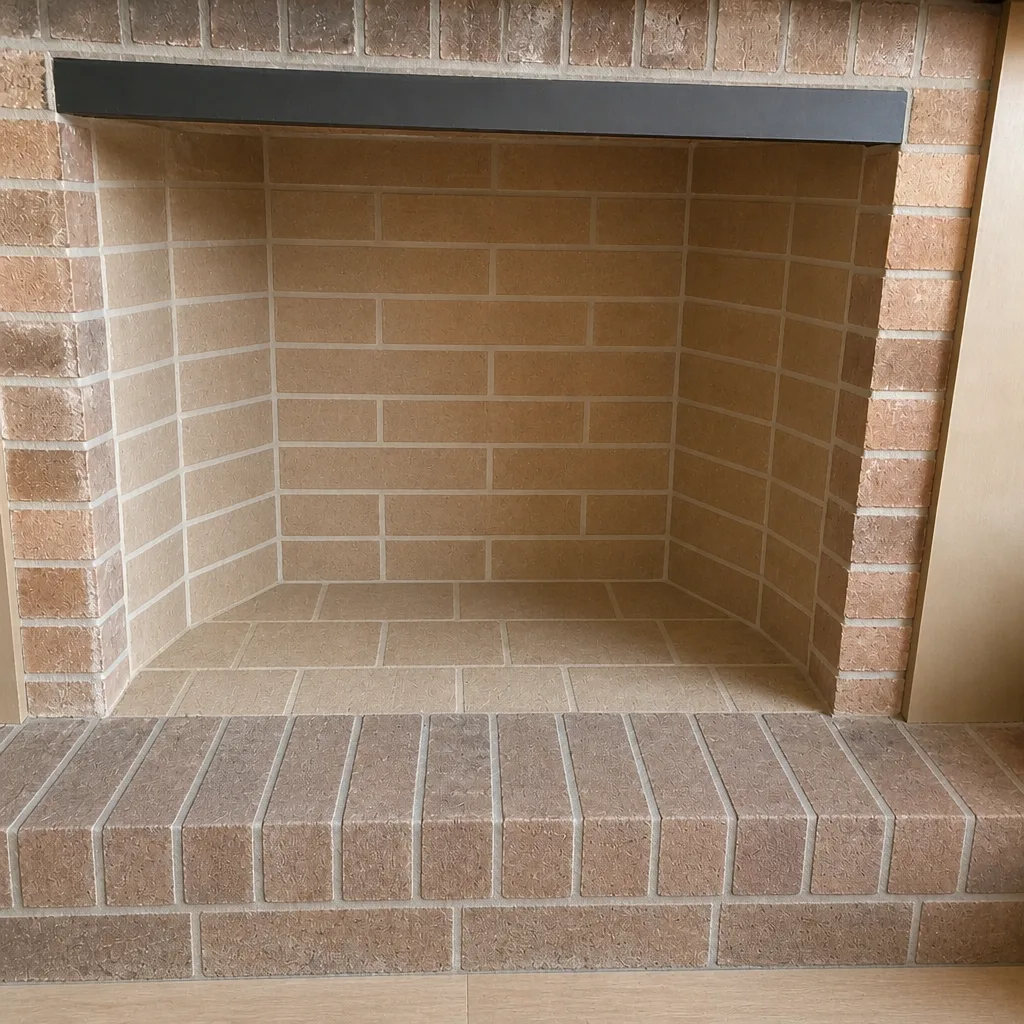
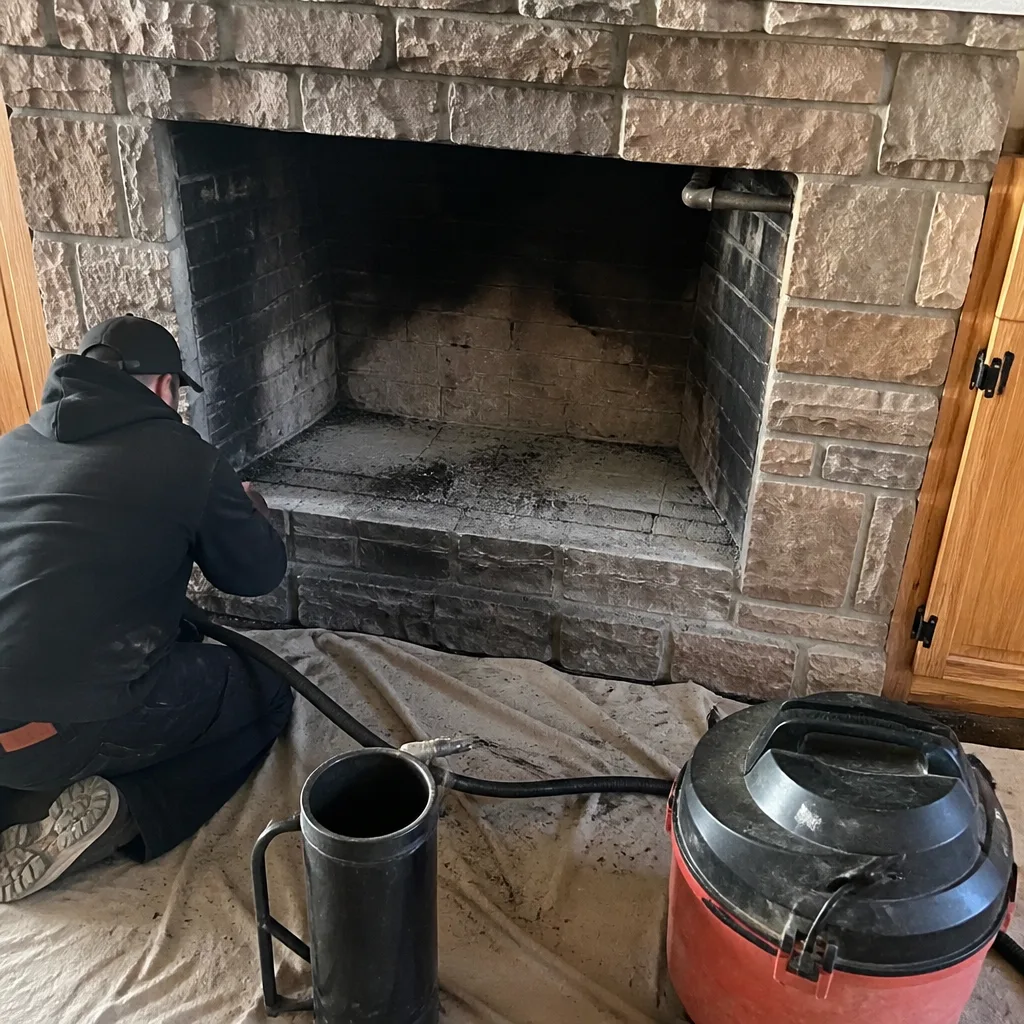
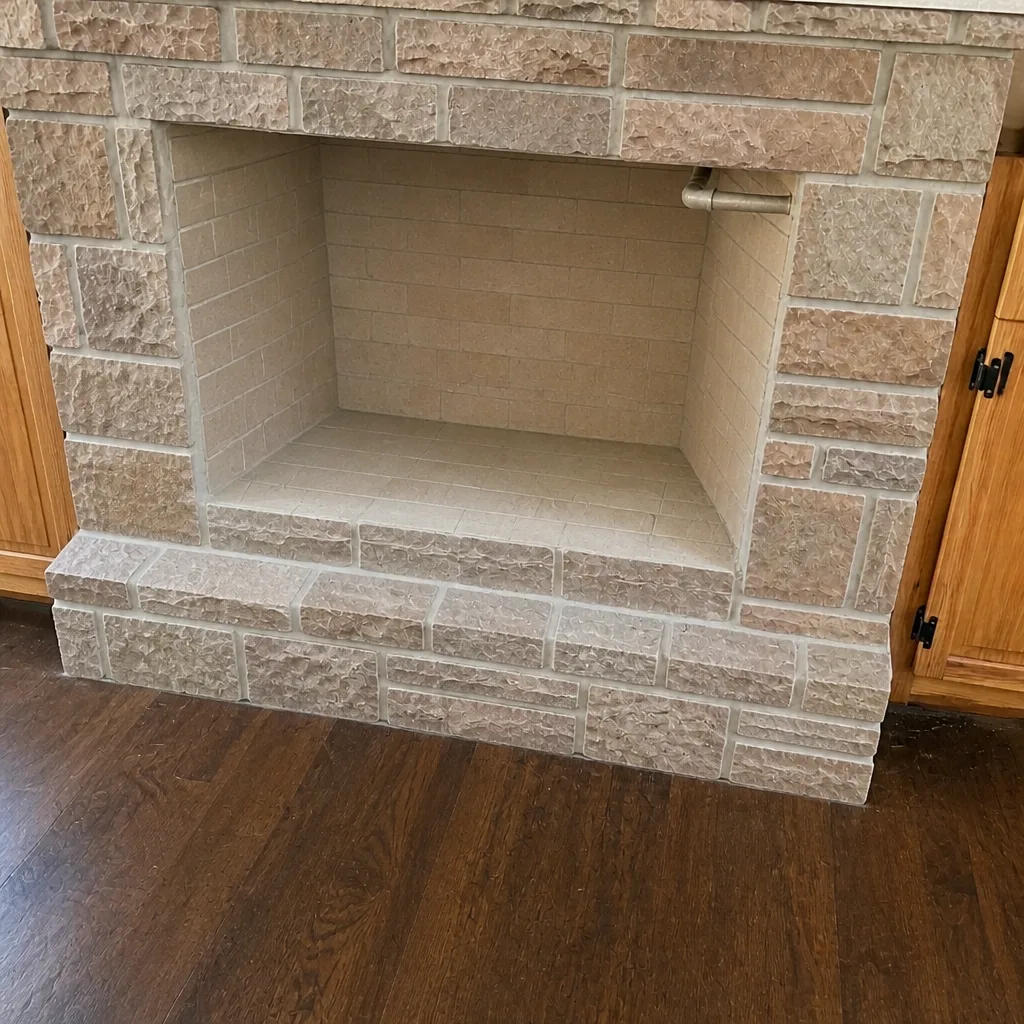
See the difference
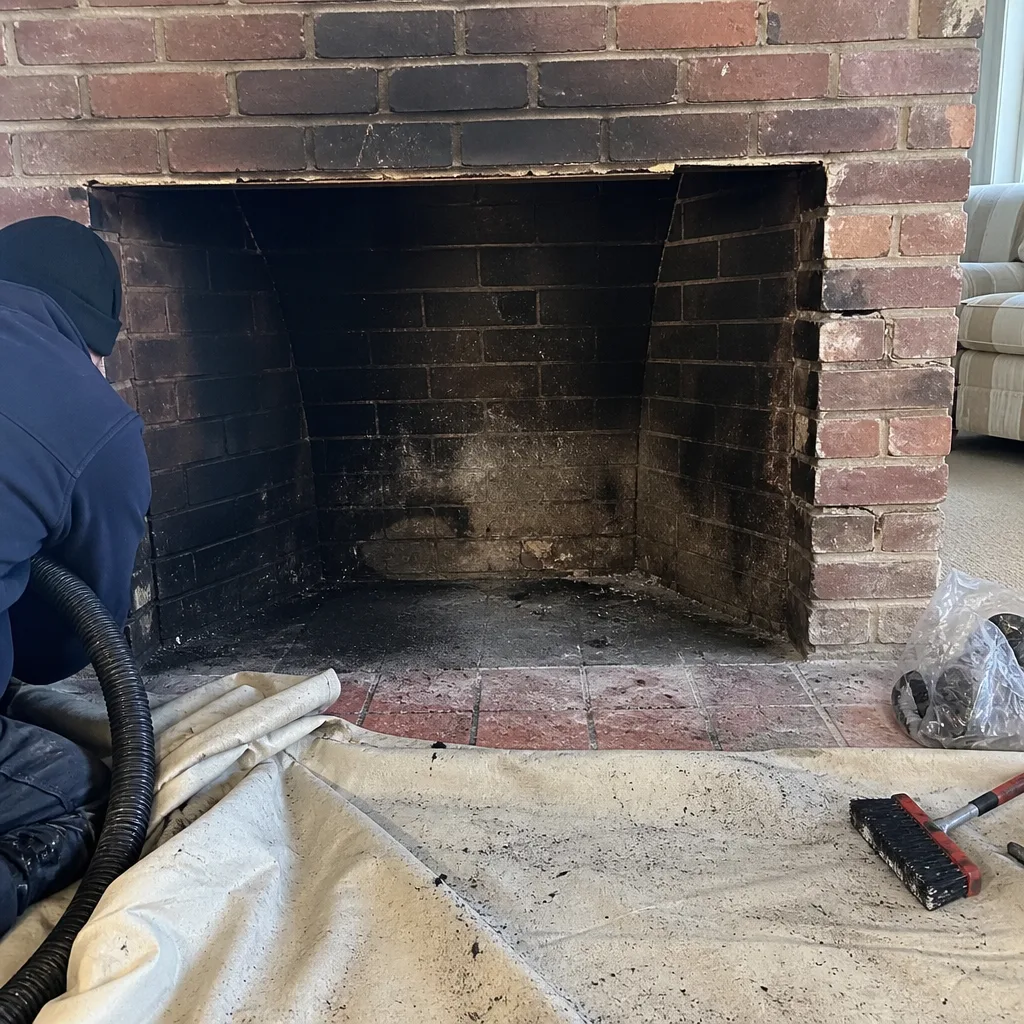 Before
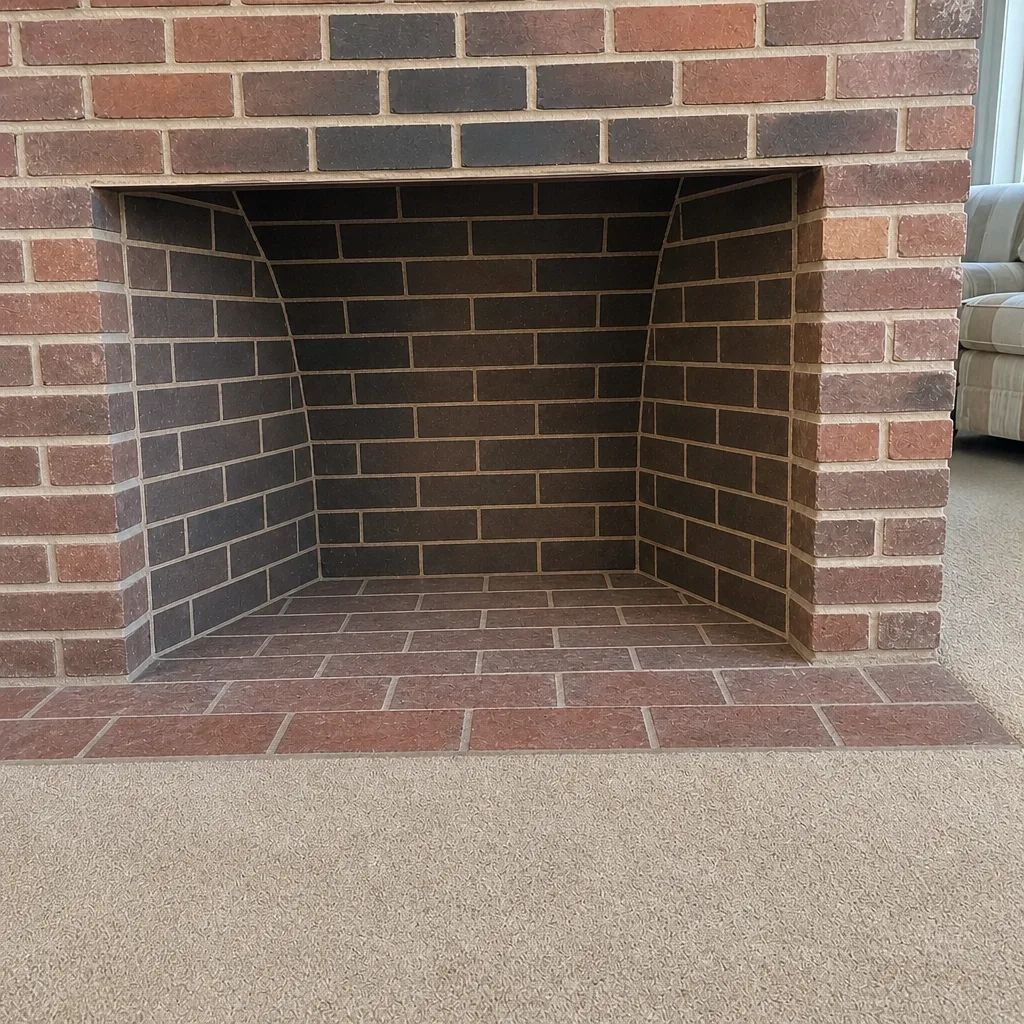 After
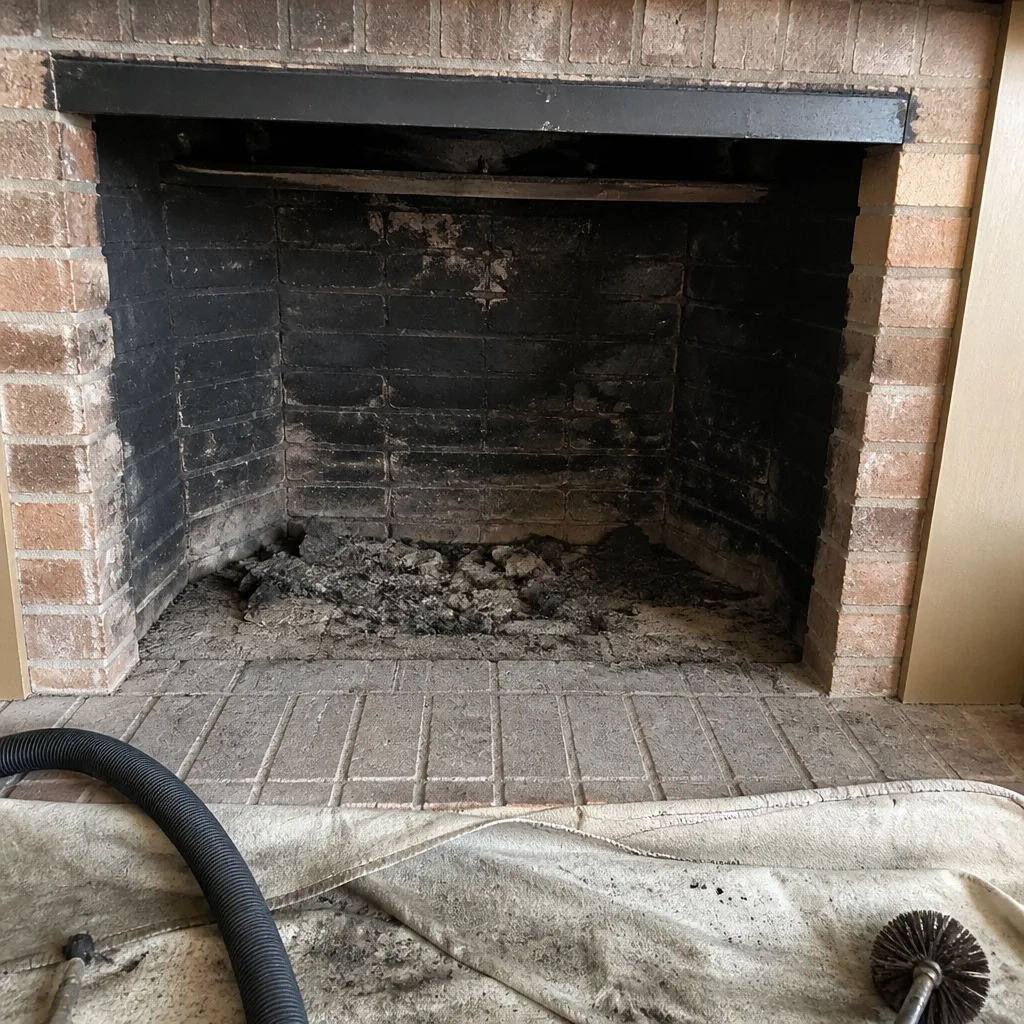 Before
 After
 Before
 After
What Actually Happens on a Chimney Visit (So You Can Judge the Brands You’re Shown)
For a homeowner trying to judge brand claims, it helps to know what a professional visit actually looks like. Here’s the general sequence, and where brand choices come into view.
- Inspection first. A trained technician inspects the fireplace, firebox, flue, damper, crown, and cap before recommending anything. The inspection is a service of its own, not a checkbox before a sales pitch. Our inspection service is standalone for a reason.
- Camera inspection of the flue. A camera shows the inside of the flue: cracks, gaps, creosote buildup, and the condition of the liner if there is one. This is where brand or absence of brand on an existing liner becomes visible.
- Written report with photos. Good companies hand you the photos and describe what they show, without requiring you to take their word for it. If a repair is recommended, the photos should justify it.
- Recommendation, with brand and model. If a repair is genuinely needed, the recommendation should name the product being installed, not just the category. If the recommendation can safely wait a season, a good technician will say so.
- Written estimate. Per-job pricing in writing, with materials and labor described.
- Installation and documentation. After install, keep the product labels, model numbers, and warranty paperwork. This is what makes a warranty claim or a future home sale straightforward.
Notice that the brand conversation happens at step four, not step one. If somebody is trying to sell you a specific product before they’ve inspected anything, that’s not a diagnostic visit. That’s a sales call.
Chimney Safety and When Brand Choice Becomes a Safety Question
Product quality becomes a safety issue the moment a liner, cap, or damper is structurally compromised. A deteriorated liner can let creosote ignite inside the flue, and a cracked flue can let carbon monoxide escape into living space. Neither scenario is common when the system is maintained, and neither is a reason to panic, but both are reasons to take materials seriously.
When a sweep recommends a liner replacement, the relevant safety question isn’t “is a liner needed?” but “is the liner you’re installing rated for the appliance and the fuel type?” A liner from a recognized brand comes with a rating: for a wood-burning insert, for a gas appliance, for a particular flue type. A commodity liner may not come with a clear rating at all. If the homeowner can’t point to that rating on paper, the brand is the wrong brand by default.
A cap that dents and lets water in is a lower-grade safety issue; it can eventually damage the crown and the flue structure if water sits on it long enough. A damper that leaks air is a heating-cost issue. Neither is urgent in the way a cracked flue is, but both are the kind of thing a homeowner notices two or three winters later when the walls start to show water stains.
Any work on a chimney at height carries real risk. Anything involving the flue, the liner, or the chimney crown is work for a trained professional with the right equipment. We don’t hand homeowners step-by-step instructions for work on a chimney above the roofline, because the risk isn’t worth it. That’s what a chimney specialist is for.
Common Mistakes to Avoid
- Hiring on price alone. The lowest bid often means a generalist who buys whatever the supply house has on the shelf that week. Ask what brand and model they’re installing before you compare final prices.
- Accepting “professional grade” without a brand name. It’s not a specification, it’s a phrase. Ask again for a trade name and a model number.
- Skipping the inspection because you already know you need a repair. A repair recommendation without an inspection is a guess. Ask for photos and a written report before you approve anything.
- Letting the cheapest cap go on because it “just needs to stop rain.” A cheap cap fails in a couple of Broomfield hail seasons and lets water in while it’s failing. It’s a water entry problem disguised as a bargain.
- Not keeping the warranty paperwork. A recognized-brand installation is only valuable at resale if you can show the brand, model, and warranty transfer.
- Assuming brand matters less than labor. Both matter. Good labor with a cheap liner still fails; great materials with careless installation also fail. Ask about both.
- Not asking whether the repair can wait. A good chimney specialist will tell you when a recommendation is genuinely urgent and when it can be scheduled a season later. If everything sounds urgent, be skeptical.
When to Call a Professional
Call a professional when you notice any of the following: a fireplace that smokes back into the room, a smell of creosote or soot in the house long after the fire is out, water stains on the ceiling near the chimney, visible cracks or missing mortar on the chimney exterior, or a cap that’s loose, dented, or missing. Call before you burn if you’ve moved into a house and don’t know when the chimney was last swept, and call before the heating season if you’ve noticed reduced draft or a fire that’s harder to start than it used to be.
You can also call for a standalone inspection, without any repair conversation attached. That’s how many Broomfield homeowners start. Broomfield Chimney Sweep offers free estimates in Broomfield. Call (866) 947-9222. We answer 24/7. Fast dispatch from 7am to 7pm, Sunday through Friday.
For related services, see our fireplace repair page if the firebox or damper is the issue, or the main Broomfield Chimney Sweep page for the full picture of what we do.
Frequently Asked Questions
A standard chimney sweep in Broomfield typically falls in a modest per-job range, and the written estimate you receive sets the final price. The exact cost depends on the number of flues, whether the chimney is wood-burning or gas, and whether an inspection or repair is included. Ask for a written, per-job estimate before booking. Call (866) 947-9222 for an exact quote; estimates are free.
You should see specific trade names on an estimate, not generic categories. Recognized brands in the chimney industry include Gelco and Copperfield for caps, Olympia Chimney for liner systems, and Famco for appliance connections. If the estimate says only “stainless steel liner” or “professional grade chimney cap,” ask which brand and model before you approve. Call (866) 947-9222 for an exact quote; estimates are free.
A new liner is needed when the inspection shows cracks, gaps, or a liner that isn’t rated for the appliance; it’s not needed when the flue is structurally sound. Nothing should be recommended without camera evidence you can see yourself, and a good technician will show you the photos and explain what they show. If you can’t see the problem, ask to. Call (866) 947-9222 for an exact quote; estimates are free.
A wood-burning chimney typically needs sweeping once a year if it’s used regularly, and it should be inspected once a year regardless of use. Broomfield’s cold winters often mean more fires and more creosote, so the annual sweep is the right baseline. If you burn a lot of wood or notice reduced draft, book sooner. Call (866) 947-9222 for an exact quote; estimates are free.
Often yes, but the rules vary by manufacturer, and some require written notice to transfer. Ask the installer to confirm the manufacturer’s transfer policy in writing and to give you the product labels and model numbers with the paperwork. A buyer’s inspector is much more comfortable with a documented, recognized-brand installation than with an unlabeled one. Call (866) 947-9222 for an exact quote; estimates are free.
Creosote builds up on the flue walls, and once enough accumulates, it can ignite; a fire inside the flue is dangerous and expensive to repair. Water entry from a failed cap or sealant also damages the crown and flue over time. Skipping isn’t a money saver; it’s a delay that usually costs more later. Call (866) 947-9222 for an exact quote; estimates are free.
The Bottom Line
The chimney brand question comes down to a few practical habits. Ask which specific trade brands and model numbers a sweep installs. Get them in writing. Look for the brands recognized in the industry, like Gelco, Olympia Chimney, Famco, and Copperfield, and understand why each was chosen. And keep the paperwork, because the documentation is what carries a warranty into a future home sale. In Broomfield’s hail and freeze-thaw environment, the brand of a liner or a cap is the difference between one installation and two. Hire a specialist who names materials plainly, inspects before recommending, and treats the chimney as a system rather than a job ticket.
Broomfield Chimney Sweep handles the full chimney system: sweeping, inspection, cap and crown work, fireplace repair, and chimney repair, with recognized trade brands installed and documented. For a free estimate, call (866) 947-9222. We answer 24/7. Fast dispatch from 7am to 7pm, Sunday through Friday.
Written by the team at Broomfield Chimney Sweep.