
Last updated November 25, 2026
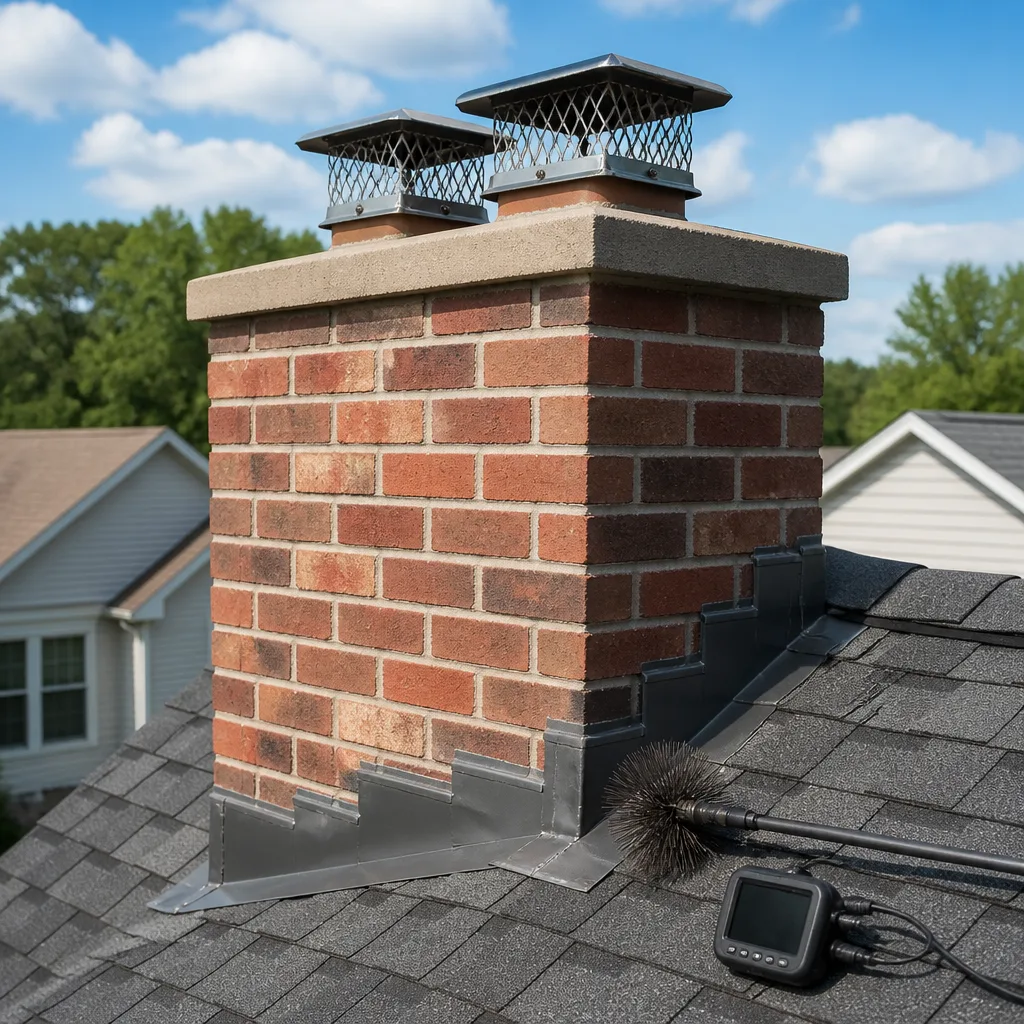 Sweep & inspection
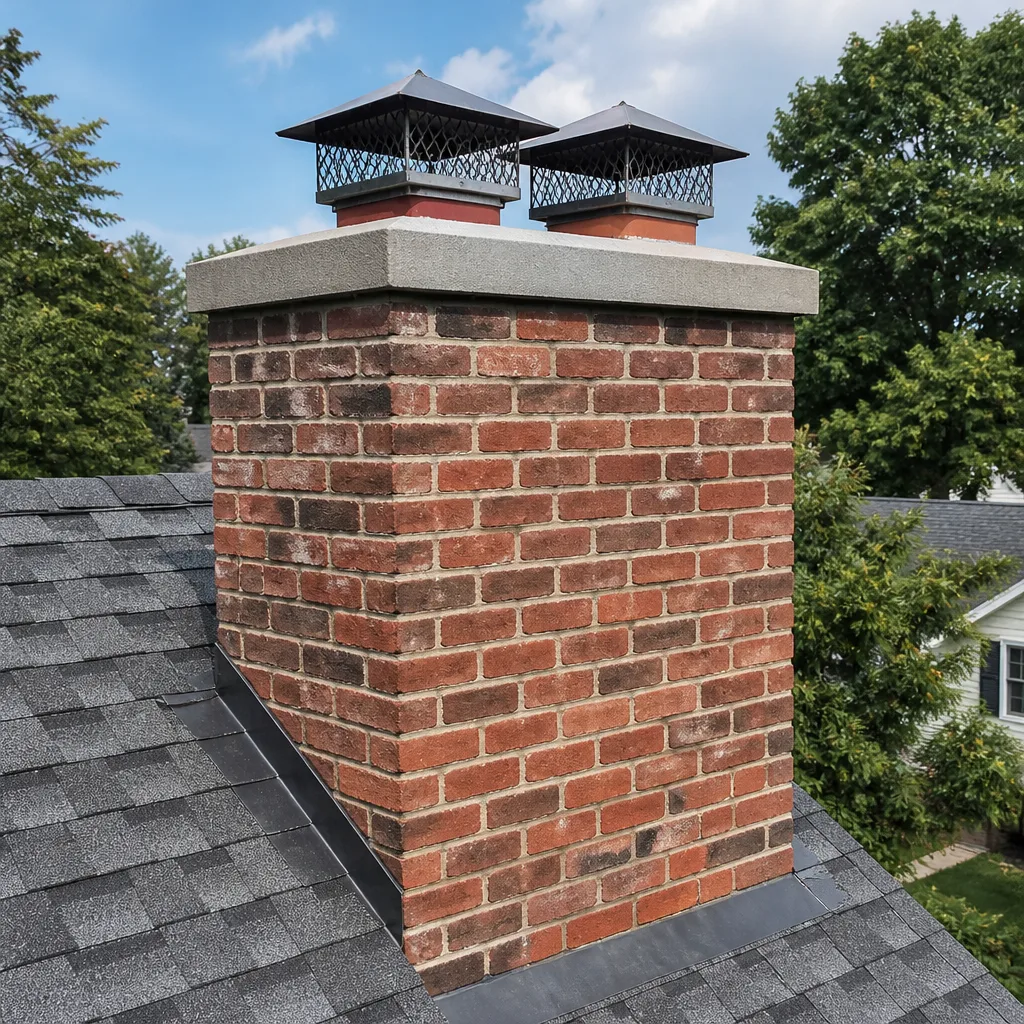 Caps & crowns
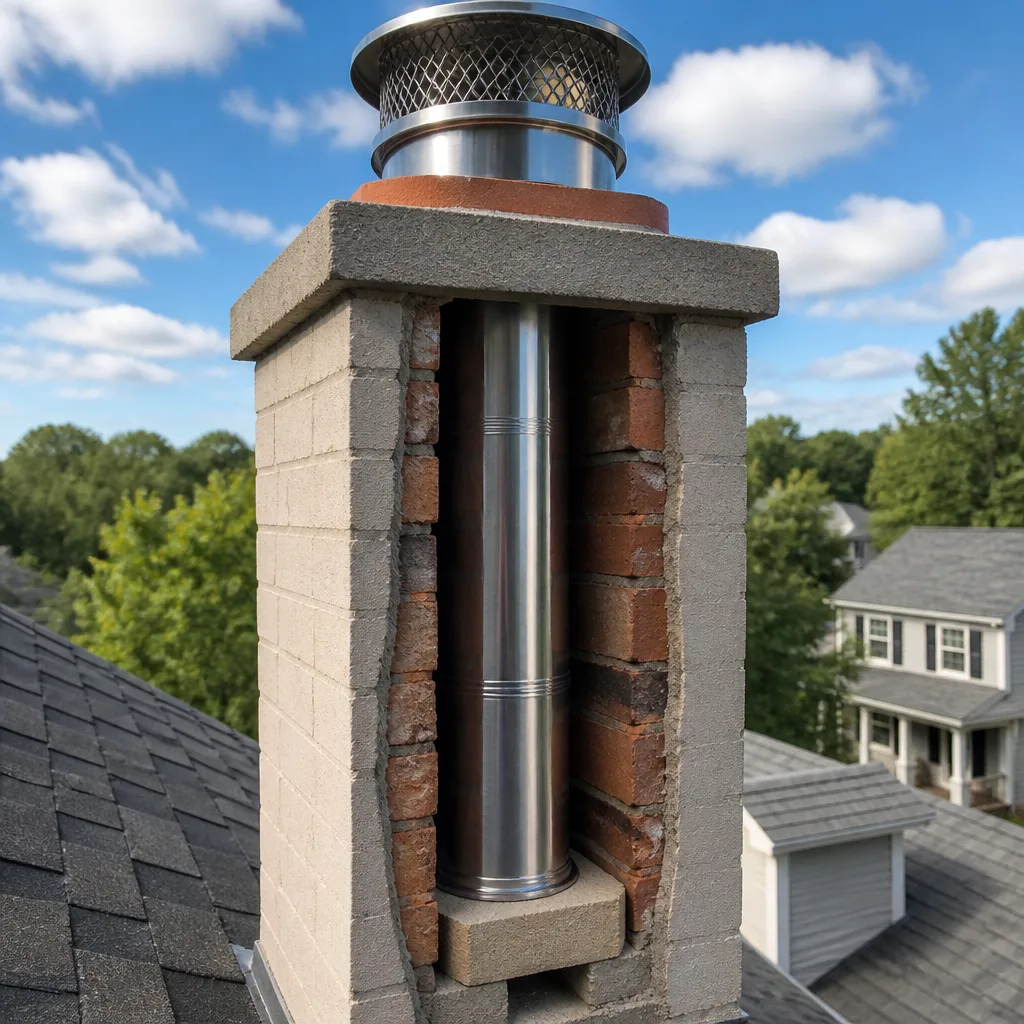 Flue relining
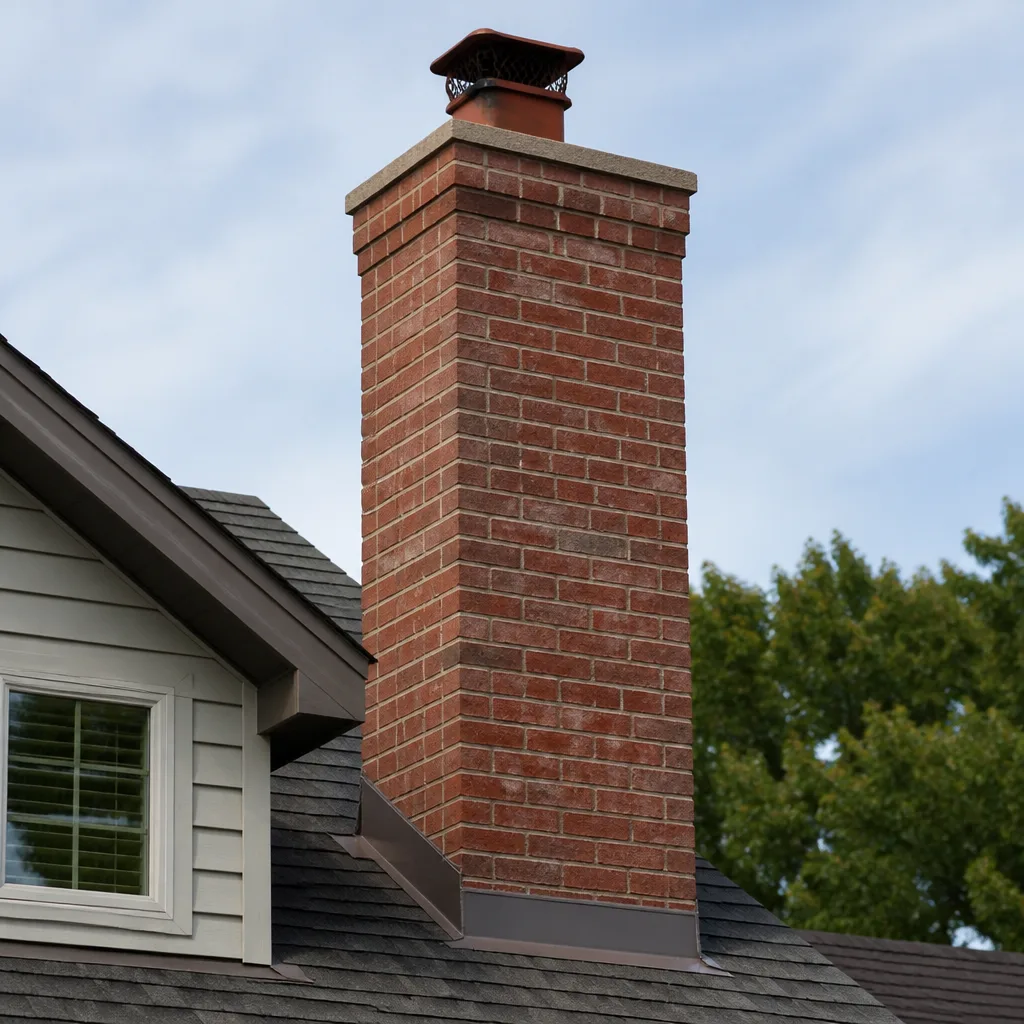 Masonry repair
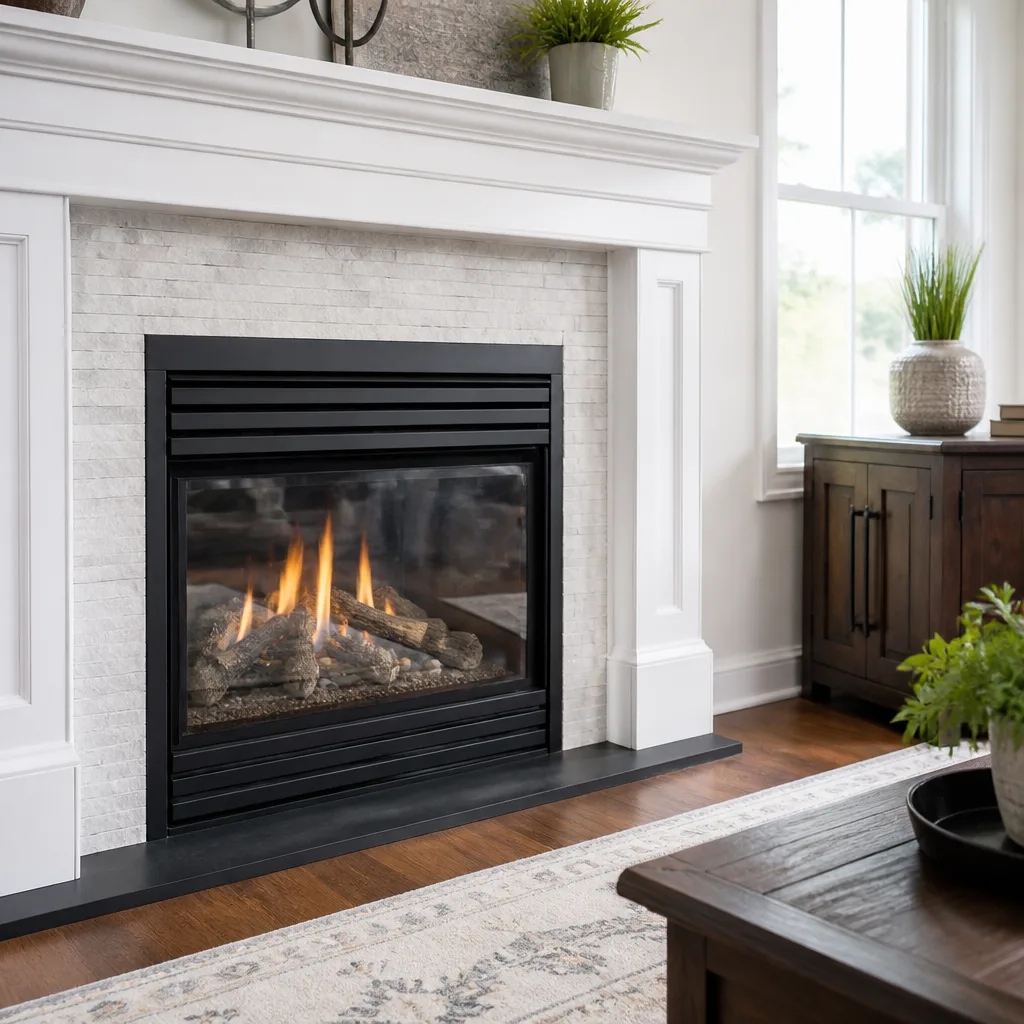 Gas fireplace service
Level 1 sweep and inspection to the NFPA 211 annual standard - flue, crown, cap, and flashing checked and photographed
Chimney sweep logs do not sweep chimneys. They loosen some creosote - which then falls where a brush and vacuum still have to collect it.
Chimney Cleaning Warning Signs: A Broomfield Homeowner’s Reference Guide
A white stain running down the outside of your chimney isn’t a cosmetic issue. It’s your masonry telling you water is moving through it right now, and the damage is active. Most homeowners wait for the yearly sweep to find out whether something is wrong, but the earliest warnings show up long before anyone climbs a ladder. They’re inside the firebox, on the exterior brick, and in how the chimney behaves on a cold night. This guide gives you the vocabulary and visual cues to recognize a problem before it becomes a fire risk or a structural repair. You’ll learn what each sign means, how serious it is, and which ones mean stop burning today. Broomfield sits on the Front Range, where freeze-thaw cycles and dry winters put particular stress on masonry, so the cues below are worth reading with that in mind.
Quick Answer
The main chimney cleaning warning signs are white or gray staining on exterior brick, a strong smoke smell that lingers after a fire, glassy black creosote inside the flue, rusted or stuck damper plates, loose or crumbling firebrick, and any smoke rolling back into the room while a fire burns. Any one of these means the chimney needs an inspection before you burn again. The most urgent signs are rumbling during a fire, a damper that won’t open, and creosote that looks tar-like and shiny.
Styles & brands we work with
- Sweep & inspection
- Caps & crowns
- Flue relining
- Masonry repair
- Gas fireplace service
Key Takeaways
- White staining (efflorescence) signals active water intrusion and needs a different response than soot or smoke staining.
- Glassy, tar-like creosote is a real fire risk and cannot be removed by brushing alone.
- Smoke rollout, back-puffing, and slow draw all point to different causes, and cleaning alone won’t fix all of them.
- Three sounds should stop a fire immediately: rumbling during burning, popping when cold, and dripping inside the firebox.
- You can often tell a cosmetic crown crack from a structural one without ever getting on the roof.
Table of Contents
- What Does White Staining on a Chimney Actually Mean?
- Efflorescence vs. Smoke Staining: Two Completely Different Problems
- Inside-the-Firebox Clues: Creosote, Dampers, and Firebrick
- Draft Problems Decoded: Smoke Rollout, Back-Puffing, and Slow Draw
- The Three Sounds That Should Stop a Fire Immediately
- How to Judge Crown Cracks From the Ground
- Your Five-Minute Seasonal Walk-Through
What Does White Staining on a Chimney Actually Mean?
White staining on a chimney is efflorescence, and it means water is passing through the masonry right now. As moisture moves through brick and mortar, it dissolves salts inside the material and carries them to the surface. When the water evaporates, those salts are left behind as a white, chalky deposit. The stain itself is harmless. What it points to is not. It means the outer skin of your chimney is getting wet and staying wet long enough for water to travel through. The water has to be getting in somewhere: a cracked crown, a failed mortar joint, a missing cap, or a chimney that was never flashed correctly at the roof line.
For a Broomfield homeowner, this matters more than it might in a milder climate. Our freeze-thaw cycles push water into hairline cracks, freeze, expand, and widen the crack a little more each winter. A chimney that sheds water properly can handle decades of this. A chimney that’s taking on water deteriorates faster than most people expect. If you see efflorescence spreading or getting thicker, the clock is running. Have it inspected before the next freeze.
Efflorescence vs. Smoke Staining: Two Completely Different Problems
Homeowners often confuse white staining with smoke staining, but they require opposite responses. Efflorescence is white, powdery, and usually found on the outside of the chimney. Smoke staining is dark or brown-black, found near the top of the chimney or around the firebox opening, and it points to a draft problem rather than a moisture problem. One is water getting in. The other is smoke getting out where it shouldn’t. Treating them the same wastes money and lets the real issue keep going.
- Efflorescence: white, chalky, crumbly. Water is passing through the masonry. The fix is waterproofing the source, not scrubbing the wall.
- Smoke staining on the exterior: dark streaks near the crown or along the flue top. Often a sign of a flue that’s too large for the fire, or a draft that stalls. Caps and crown repair come into play here.
- Smoke staining around the firebox: dark smudges above the opening or on the hearth. This almost always means smoke is rolling out into the room during fire startup or when back-puffing occurs.
- Rust staining: orange or brown streaks. A damper or flue component is rusting and needs to be looked at, especially on gas units.
- Dark staining on the cap: soot building up on the cap itself, often indicating the cap is undersized or the screen is blocked.
If you can’t tell them apart from the ground, that’s normal. A trained eye can review the exterior, the firebox, and the flue in a single visit and tell you which problem you actually have. We inspect before we recommend, every time, and we show you what we see.
Inside-the-Firebox Clues: Creosote, Dampers, and Firebrick
The inside of the firebox is where the most important chimney warning signs live, and you can check most of them yourself with a flashlight. Each clue below has a severity rating so you know how quickly to act.
Creosote Stage 3: The One You Cannot Ignore
Creosote builds up in three recognizable stages. Stage 1 is light soot and flaky deposits that brush off easily. Stage 2 is crusty and flaky. Stage 3 is glassy, tar-like, and shiny on the flue surface, and it cannot be removed by brushing. Stage 3 creosote is the fuel for a chimney fire, and its presence means the chimney needs professional cleaning before you burn another fire. Severity: high. If the flue liner looks like black glass, stop using the fireplace and have it looked at.
Rusted or Stuck Dampers
A damper that won’t open, won’t close, or is rusted shut will interfere with every fire you build. A stuck-open damper loses heat up the chimney and can let cold air back down when you’re not burning. A stuck-closed damper is worse; it can force smoke into the room. If you see rust staining on the damper plate or find it hard to move, that’s a repair, not just a cleaning. Severity: medium. A rusted damper can usually be repaired or replaced.
Spalling or Crumbling Firebrick
Firebrick is graded for high heat. When it crumbles, flakes, or the mortar joints between bricks go soft, the firebox itself is failing. A failed firebox lets heat reach parts of the chimney structure that were never designed for it, and it can allow smoke or gas to enter the house. If you can scrape soft material out of a joint with a screwdriver, that joint is gone. Severity: high. This is a stop-burning situation until it’s assessed. HeatShield firebox restoration is one of the ways we bring a failing firebox back to working condition, but the firebox needs to be examined before any restorative work is decided on.
Draft Problems Decoded: Smoke Rollout, Back-Puffing, and Slow Draw
Draft problems are the most misunderstood chimney warning signs, because they don’t all have the same cause. Three of them get grouped together under “smoke problems” even though each needs its own diagnosis. Cleaning alone will fix one of them. It won’t fix the other two.
- Smoke rollout at startup: smoke spills out of the firebox opening in the first minute or two after lighting. A cold flue doesn’t draw until it warms up. In a tight modern house sealed for winter, the home can be under negative pressure, so the chimney has to compete with the rest of the house for air. Cleaning doesn’t fix negative pressure. A proper diagnosis and, sometimes, a make-up air solution do.
- Back-puffing: smoke pulses back down the chimney and into the room after the fire’s been burning. This is often a flue-sizing problem, a partial obstruction, or the chimney is on the pressure side of the house. A chimney whose flue is too large for its firebox won’t draft well in cold weather. Caps and dampers and, in some cases, liner rightsizing are part of the response. This isn’t a cleaning issue.
- Slow draw: the fire burns, but smoke sits lazy in the firebox and the flame is soft. A dirty flue, a partially blocked cap screen, or a chimney that’s shorter than the roof line around it will all cause slow draw. Sometimes cleaning resolves it. Sometimes a cap repair or a new cap with a larger screen does. Either way, it needs to be identified, not guessed at.
If you’ve had a Broomfield sweep already this season and smoke problems are still showing up, the draft problem wasn’t cleaning-related in the first place. That’s the point of an inspection as a standalone service. It answers the question directly.
The Three Sounds That Should Stop a Fire Immediately
Sound travels down a chimney in ways that are hard to miss, and three of them should make you put the fire out now, not at the end of the evening. Each of these indicates a distinct problem, and all three are reasons to call before you light another log.
- Rumbling during burning. A low, sustained rumble from the chimney above a fire is a warning sign of a chimney fire. You don’t need to see flames at the top to take it seriously. Close the firebox door or glass front, get everyone outside and call emergency services if the rumble continues, then call a chimney professional before using the fireplace again.
- Popping when the chimney is cold. A sharp pop or crack when the fireplace is not in use can mean masonry or firebrick is failing, or that water has gotten into the chimney and is expanding inside the masonry. Freeze-thaw damage in Broomfield can cause real popping as water turns to ice inside the brick. Have the chimney inspected before the next fire.
- Dripping inside the firebox. The sound of water hitting the firebox floor means water is getting past the crown or the cap. Left alone, dripping water ruins the damper, soaks the flue materials, and starts the efflorescence cycle on the outside of the chimney. A proper cap and crown check answers the source quickly.
None of these should be diagnosed from a web guide. All three are things a trained professional should look at, especially the rumble. If you hear it, stop burning and get it looked at.
How to Judge Crown Cracks From the Ground
You don’t need to get on the roof to make a first assessment of crown cracks. From the ground with a pair of binoculars, you can usually tell cosmetic from structural. The crown is the concrete or masonry cap at the top of the chimney, sloped to shed water away from the flue.
- Hairline surface cracks that follow the top of the crown and don’t extend to the edges are often cosmetic. They usually need sealing, but they don’t point to a failing structure.
- Cracks that widen toward the edge, or that reach all the way to the flue opening, are structural. They’re letting water straight down into the flue. That’s the point where the crown needs repair.
- Cracks that separate the crown from the masonry beneath it mean the crown has broken its seal. Water gets under it and starts working on the brick with every freeze.
- Chunks missing from the crown or its corners indicate the crown is failing, not just cracked.
- Moss or algae growth on the crown signals it’s staying wet, which usually means the slope has failed.
If you see any of the structural signs, have it inspected. Chimney cap and crown work is one of the most cost-effective fixes a Broomfield homeowner can make, because it stops the water intrusion cycle at the source. A quality cap from a trade brand like Copperfield or Olympia Chimney is the other half of the equation. The two together are the difference between a chimney that sheds water for years and one that keeps taking it on.
Your Five-Minute Seasonal Walk-Through
Homeowners can catch the majority of chimney warning signs before the burning season starts with a short walk-through. Do this once in the fall, before the first fire. It’s not a substitute for an inspection, but it helps you build a specific list for the sweep.
From Outside the House
- Look at the brick for white staining, dark smoke streaks, and rust marks.
- Look at the crown for cracks, missing chunks, and green growth.
- Look at the cap for a bent or blocked screen and confirmed coverage over the flue.
- Look at the flashing where the chimney meets the roof for missing or lifted pieces.
From the Firebox
- Shine a flashlight up the flue. Look for shiny glassy deposits (stage 3 creosote) and black soot buildup.
- Open and close the damper. It should move without force and seal airtight when closed.
- Run your hand along the firebrick joints. Loose mortar or crumbling brick is a stop-burning sign.
- Look for rust stains, soot streaks above the opening, or a buildup of soot on the glass front.
From the Room
- Note any smoke smell that lingers when there’s no fire.
- Note any draft coming down when the fireplace is not in use.
- Note if smoke rolls out during startup, even briefly.
Write down what you find. When you call for a chimney sweep, that list gives the technician a starting point and shortens the visit. If your observations include anything from the firebox list above, treat it as a priority visit rather than a routine one.
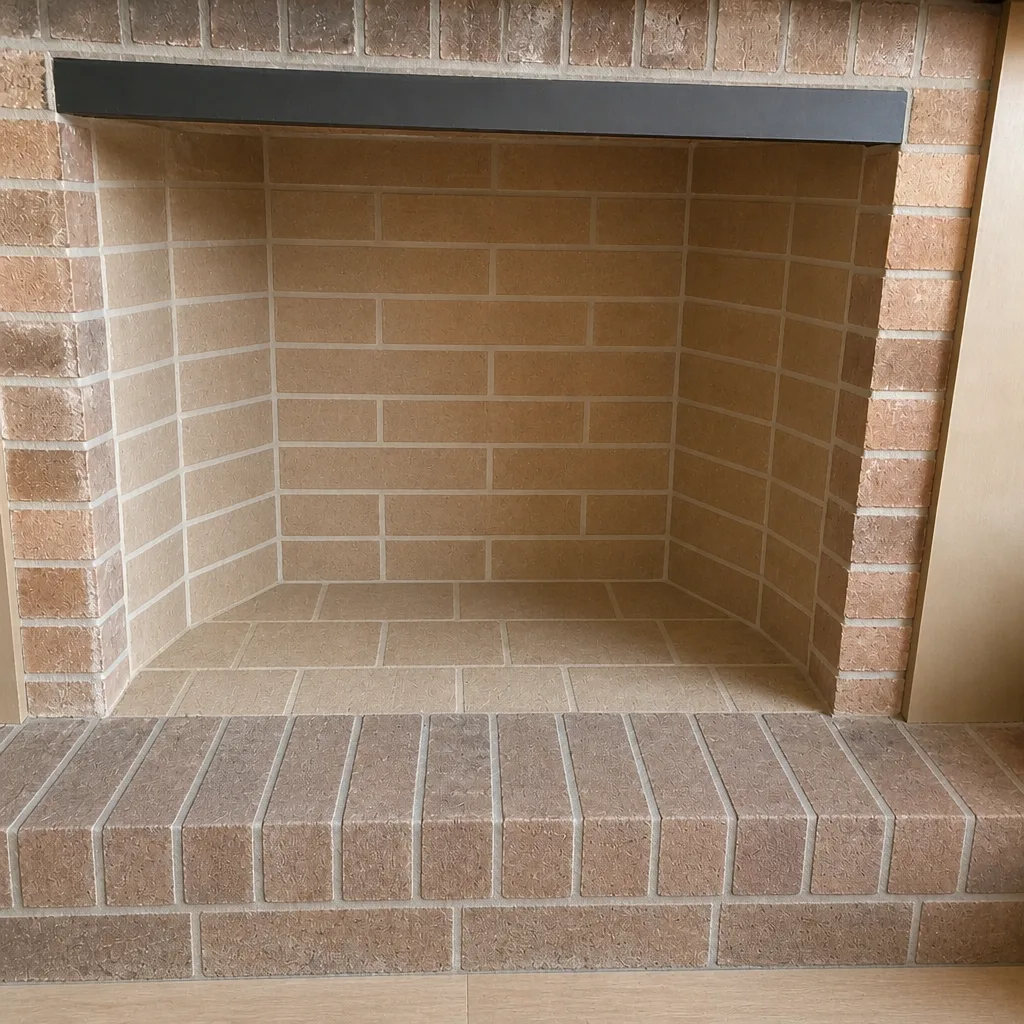
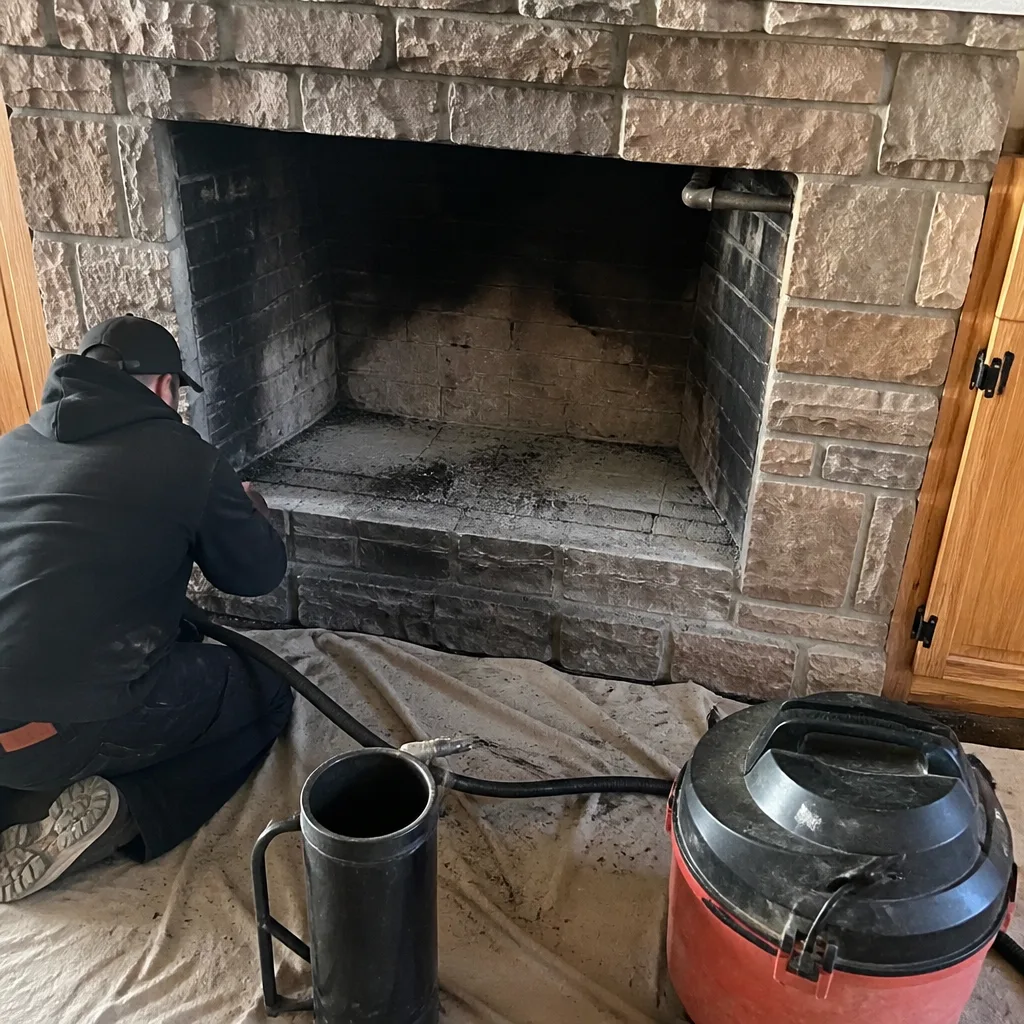
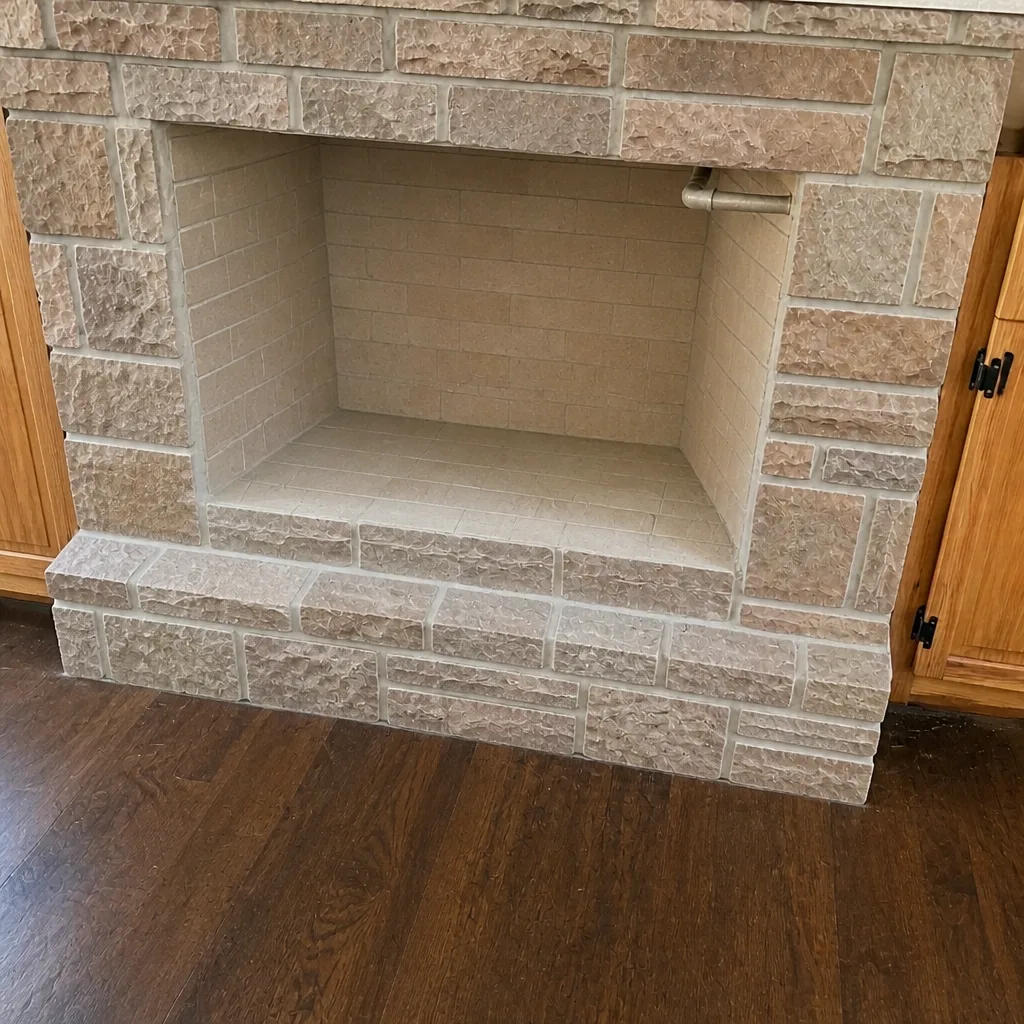
See the difference
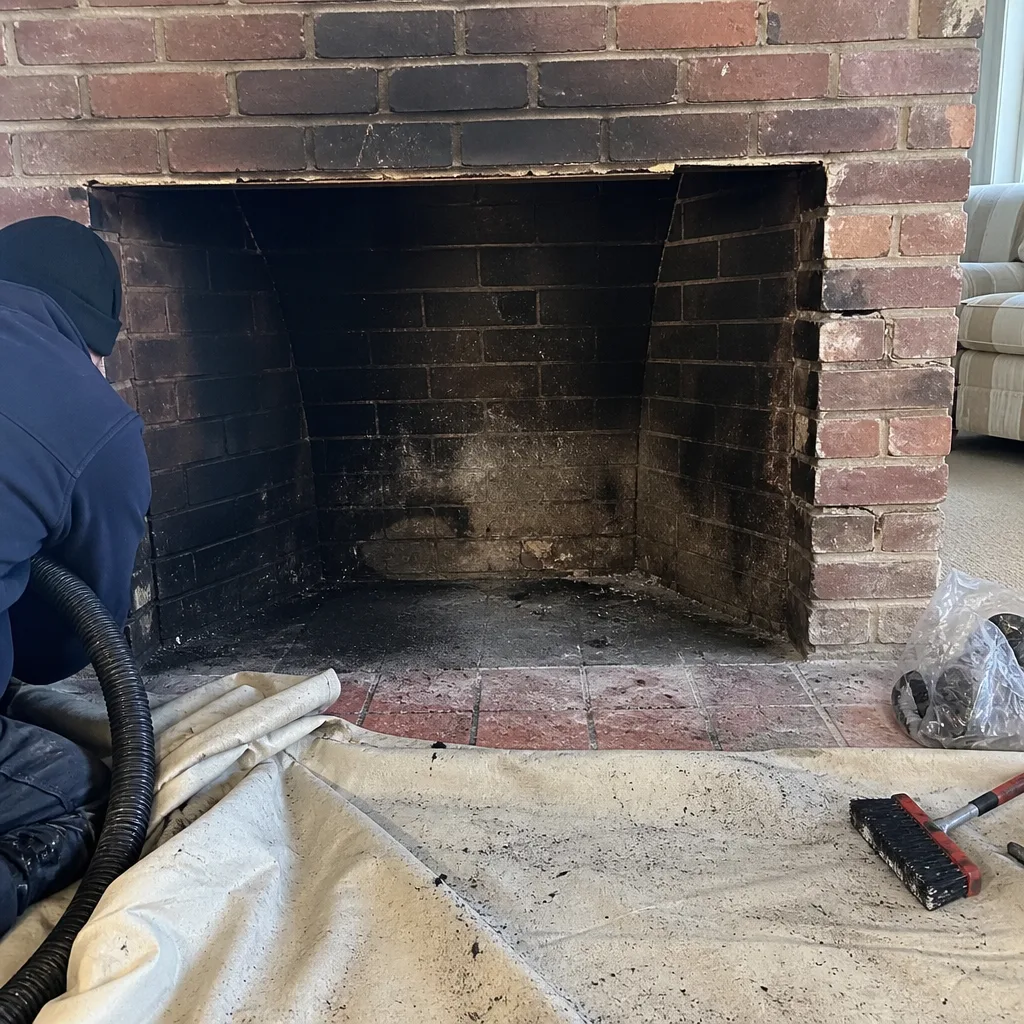 Before
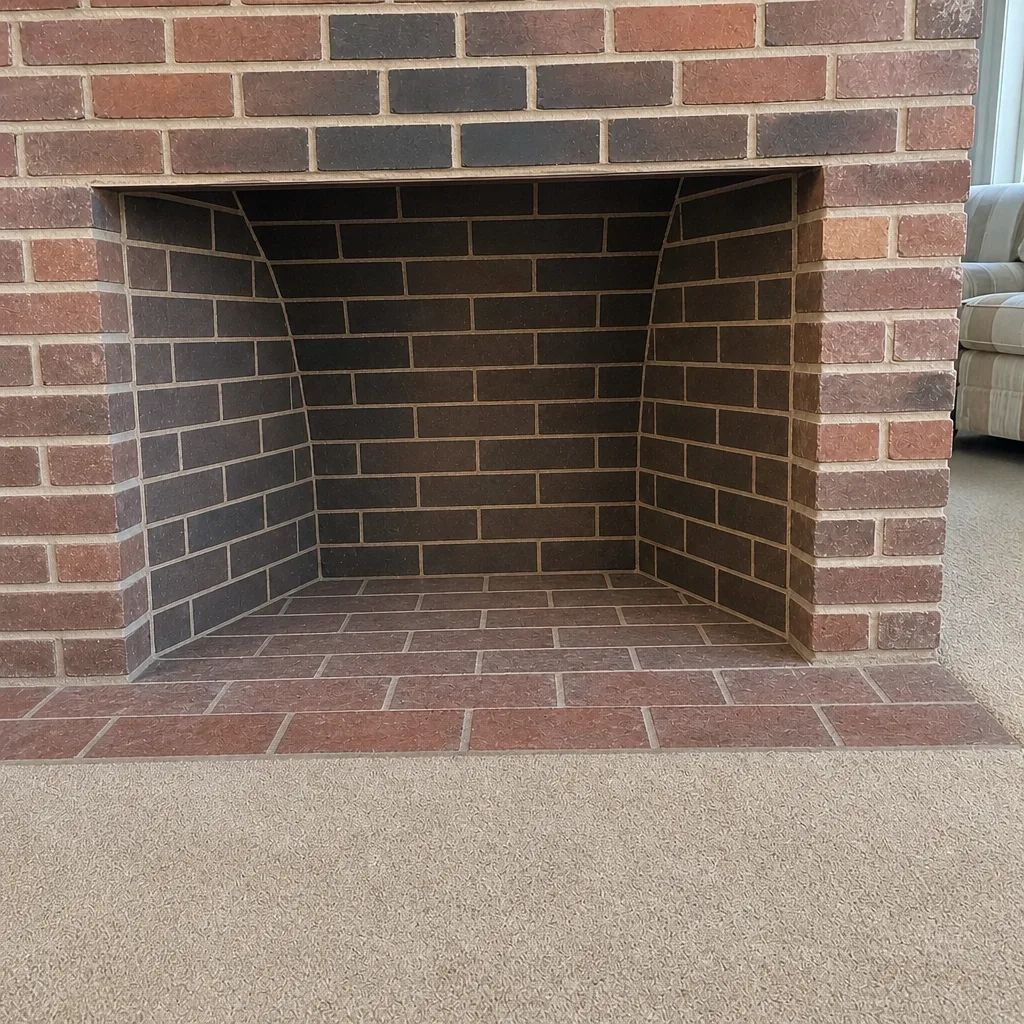 After
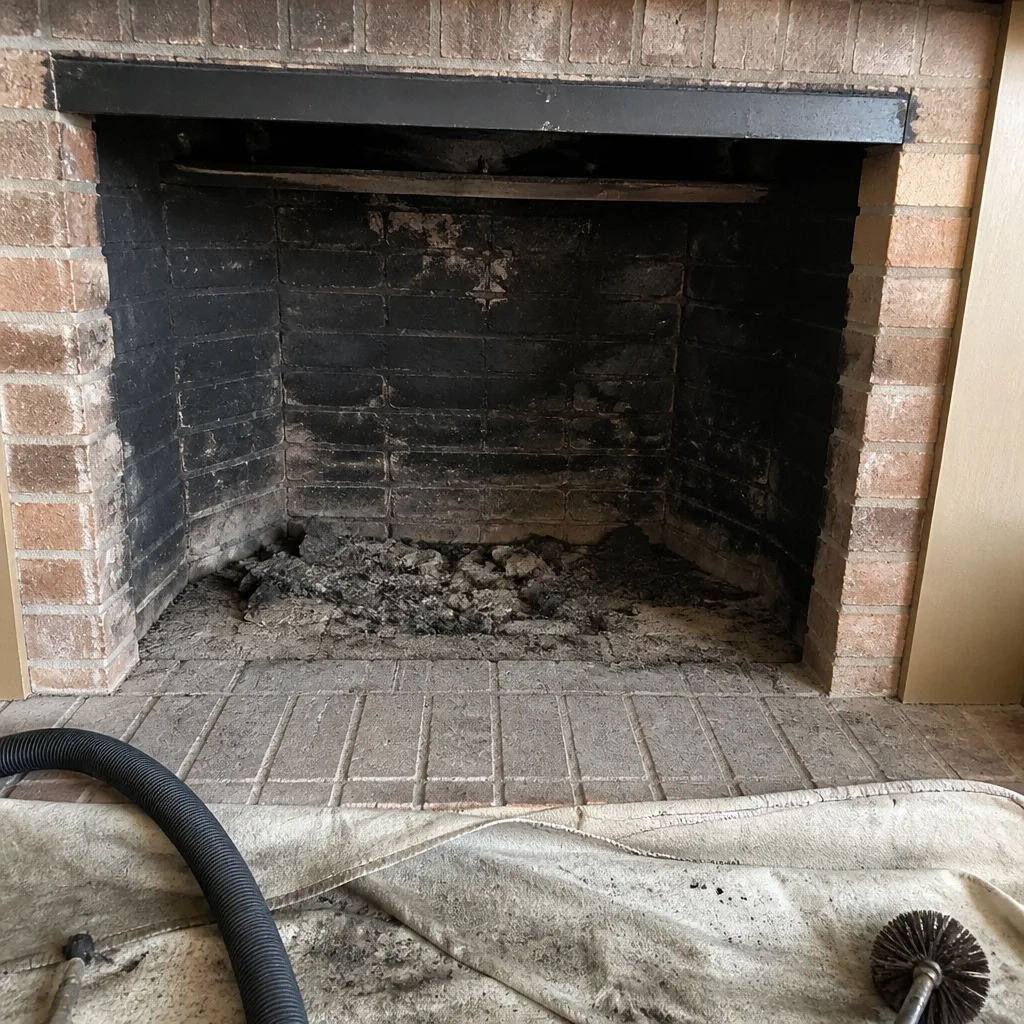 Before
 After
 Before
 After
Common Mistakes to Avoid
- Scrubbing efflorescence off the brick with a wire brush. The stain comes back because the water source is still active. Efflorescence is a symptom; the fix is stopping water from getting in through the crown, cap, or flashing.
- Assuming a strong chemical cleaner will remove stage 3 creosote. Glassy tar-like creosote has to be removed by a trained technician using the right tools. Chemical products sold for a fireplace will not resolve stage 3 deposits, and using them can delay proper cleaning while the fire risk grows.
- Skipping the inspection because you had a sweep in the last year or two. Damage doesn’t move on a cleaning schedule. A sweep clears deposits; an inspection looks at the crown, flashing, flue joints, damper, and firebox. They’re two services, and Broomfield’s freeze-thaw winters make the inspection the more important one.
- Burning a fire to test a stubborn draft problem. Slow draw and back-puffing need to be diagnosed before another fire. Testing with a live burn just moves smoke into the room.
- Replacing the cap without checking the crown. A new cap on a failing crown is water still entering the system. Cap and crown work together.
- Hiring a generalist handyman for chimney work. Chimney systems need trade-specific materials and trade-specific knowledge. Liner and crown solutions come from brands like DuraFlex and Famco for a reason; they’re designed for the job and specified by people who know how to install them.
- Ignoring the rumble and hoping it’s just wind. A sustained rumble during a fire is not wind. Put the fire out and call.
When to Call a Professional
Call a professional immediately if you hear a rumble during a fire, if the damper won’t open, if you see stage 3 creosote inside the flue, or if smoke is entering the room with the damper open. These are same-day issues. Call a professional within the week if you see any of the following on your own walk-through: fresh efflorescence, structural crown cracks, spalling firebrick, or a rusted damper. And call before your first fire of the season if you haven’t had an inspection in the past year, or if you burn regularly through the winter. If a repair is what’s needed, we handle the full chimney system, from fireplace repair through chimney repair, so you don’t have to coordinate a second trade. Broomfield Chimney Sweep offers free estimates in Broomfield. Call (866) 947-9222. We answer 24/7, with fast dispatch from 7am to 7pm, Sunday through Friday. Our technicians have up to 10 years of experience.
Frequently Asked Questions
A chimney that sees a fire most nights during winter should be swept once a year. If you burn only occasionally, you may be able to stretch to eighteen months, but an annual inspection is still worth doing, because it catches structural issues cleaning won’t. Broomfield’s dry winters and freeze-thaw cycles are hard on masonry, so the inspection is the more valuable of the two services. If you’re unsure where you stand, call (866) 947-9222. We’ll schedule a sweep or an inspection based on what you describe.
White staining is efflorescence, and it means water is moving through your masonry. The stain itself is harmless; the water path is not. It signals that a crown, cap, or flashing is letting water into the chimney, and that the brick is getting wet and staying wet long enough for salts to reach the surface. In Broomfield, that water will freeze and expand, and each freeze widens the crack a little more. Have it inspected before the next cold snap. Call (866) 947-9222 for a free estimate.
No. Stage 3 creosote is glassy, tar-like, and bonded to the flue surface, and it will not come off with household tools. It’s also the fuel that makes a chimney fire possible. It needs to be removed by a trained technician with the right tools and technique, and the flue needs to be inspected afterward to check for damage. Stop burning until that’s done. Call (866) 947-9222 and we’ll book the visit.
Smoke rollout at startup is usually a cold flue or negative pressure in the home. A cold flue doesn’t draw until it warms up; a home sealed for winter can push air down the chimney faster than the flue pulls it up. Cleaning alone may not fix either one. Sometimes a cap issue contributes too. An inspection tells you which cause is yours. Call (866) 947-9222 to book one today; we’ll tell you what we find.
Often, yes. Cosmetic hairline cracks can usually be sealed, and cracks that have opened to the point of letting water in can often be repaired with a trade-grade crown repair material rather than a full rebuild. Whether yours can be repaired depends on how much of the crown has failed and how deep the cracks go. From the ground you can usually tell whether a crack is structural, but a trained eye should make the call. Call (866) 947-9222 for a free estimate.
A sweep clears soot, ash, and creosote from the flue. An inspection assesses the condition of the crown, cap, flashing, flue joints, damper, and firebox. Both are services homeowners need, and both are worth doing. Many companies treat the inspection as a quick step before an upsell; we offer it as a standalone service because that’s what a homeowner actually needs to make a decision. Call (866) 947-9222 to book either one.
The Bottom Line
Most chimney problems announce themselves long before they become expensive. White staining, dark smoke streaks, rusty dampers, crumbling firebrick, smoke where it shouldn’t be, and three distinct sounds all give you time to act if you know what you’re looking at. The key is treating each sign for what it actually is: efflorescence is water, smoke staining is draft, and glassy creosote is fuel for a fire. Get a professional in front of any of them, especially the structural ones. For Broomfield homeowners, an annual inspection plus a sweep when it’s due is the simplest routine that keeps a chimney shedding water and drafting safely all winter. If something on this list matched what you’re seeing at your house, call (866) 947-9222 for a free estimate. We answer 24/7, with fast dispatch from 7am to 7pm, Sunday through Friday. A full-system chimney care plan starts with one honest look at what you’ve got. Learn more about Broomfield Chimney Sweep and the five service lines we handle.
Written by the team at Broomfield Chimney Sweep.