
Last updated November 25, 2026
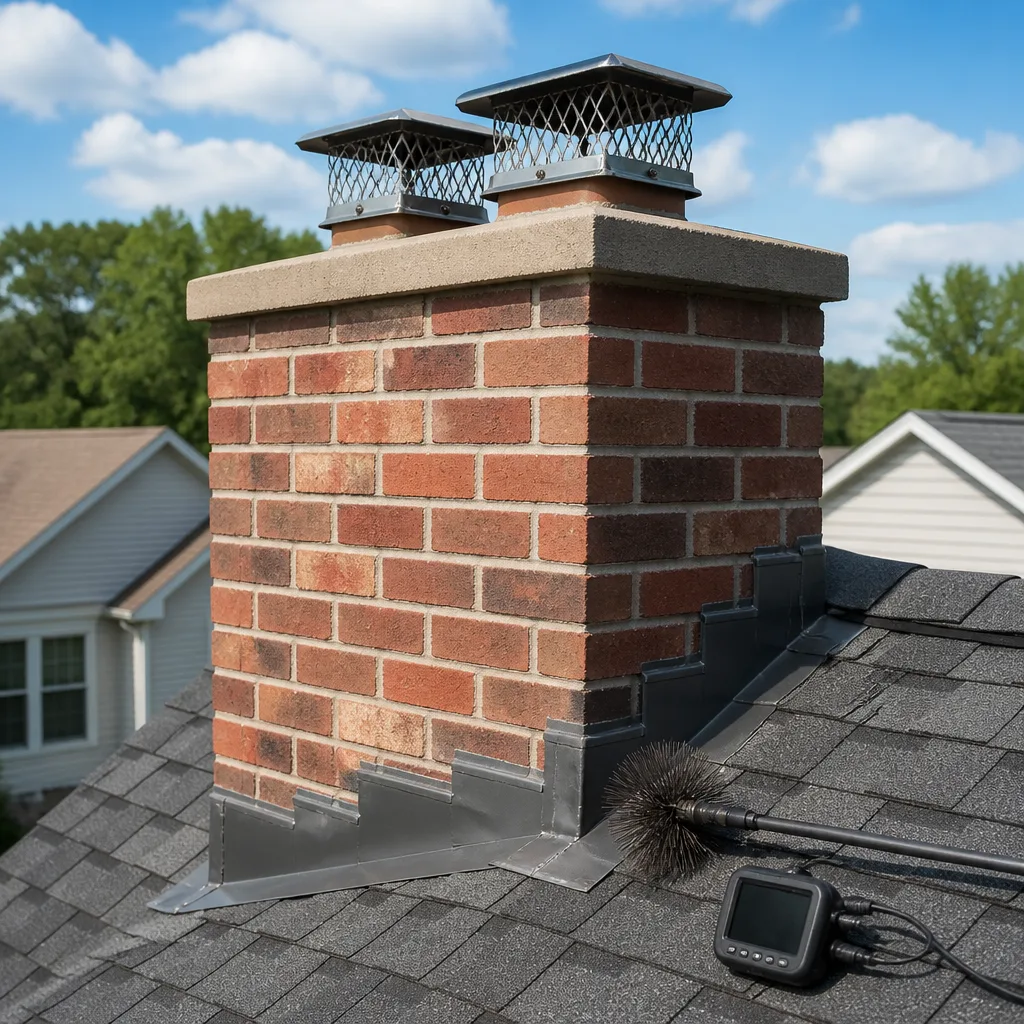 Sweep & inspection
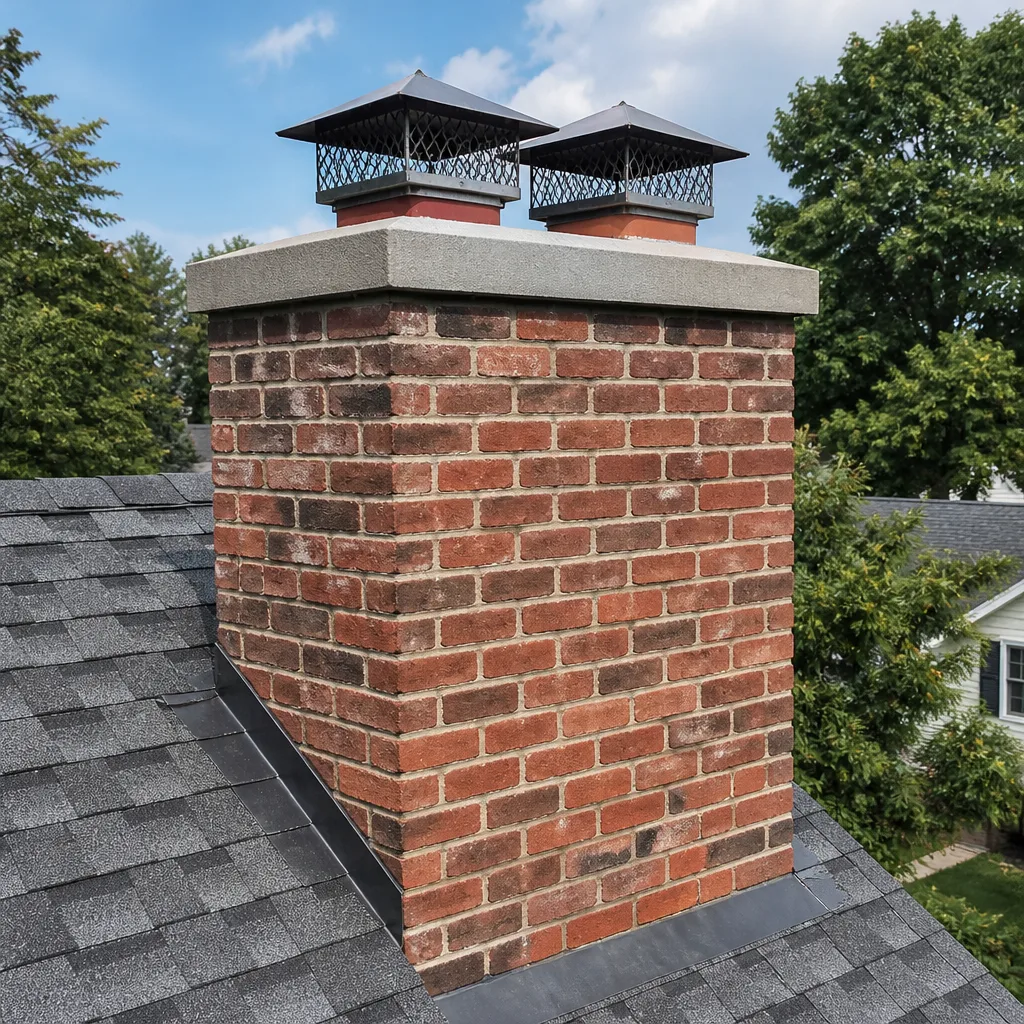 Caps & crowns
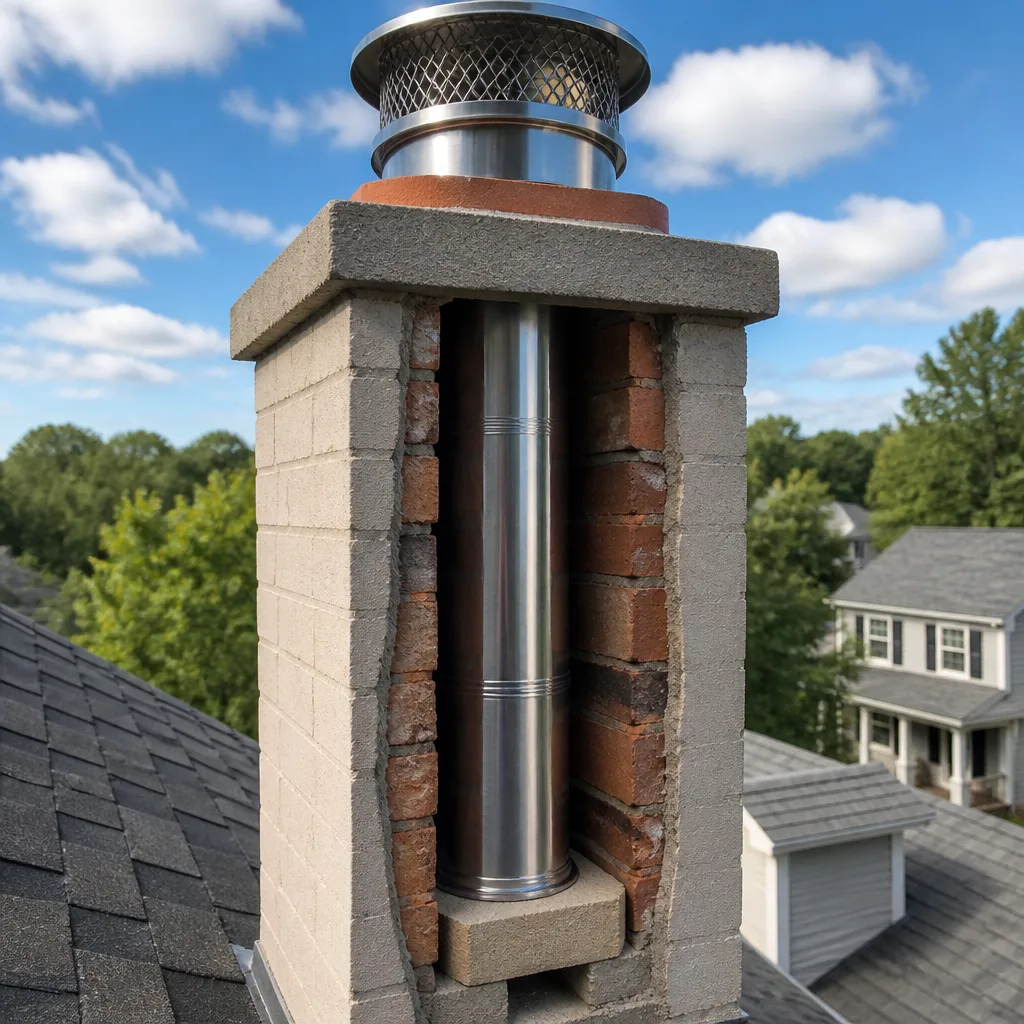 Flue relining
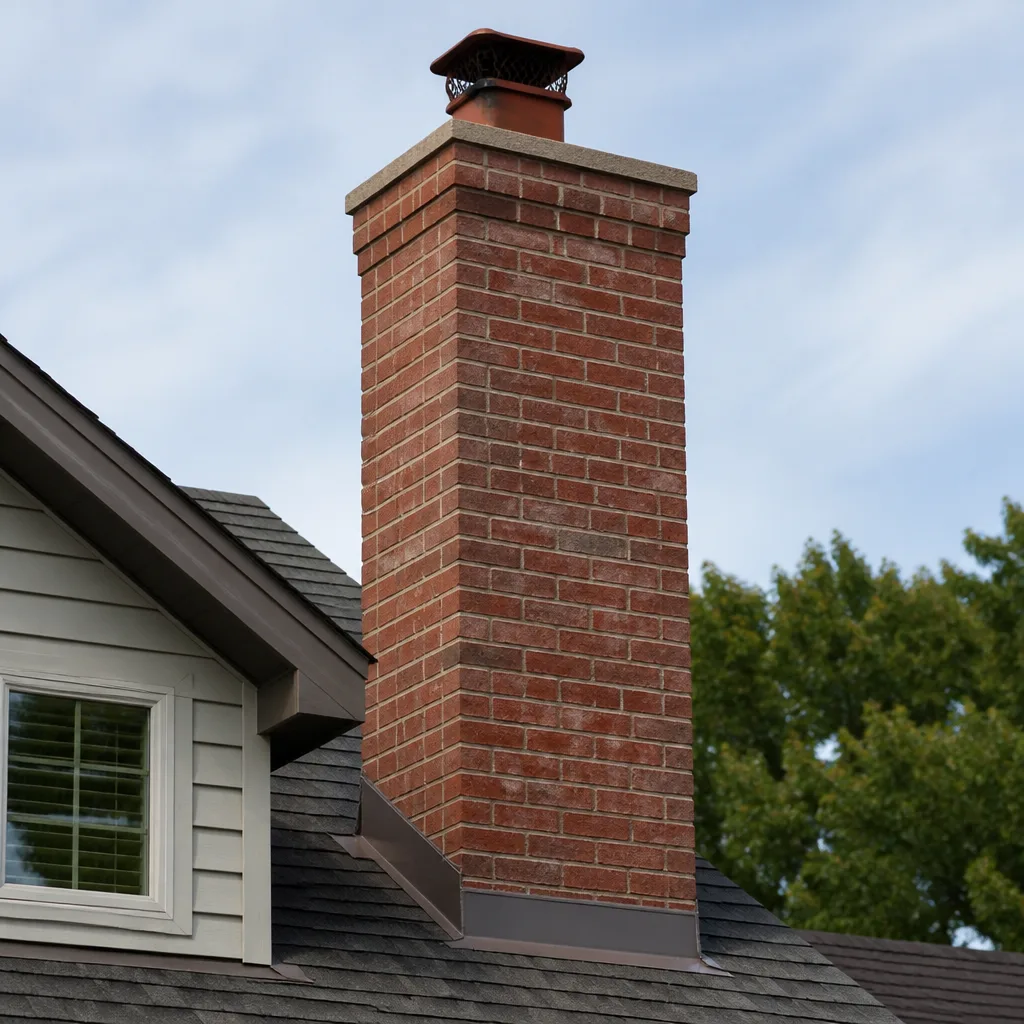 Masonry repair
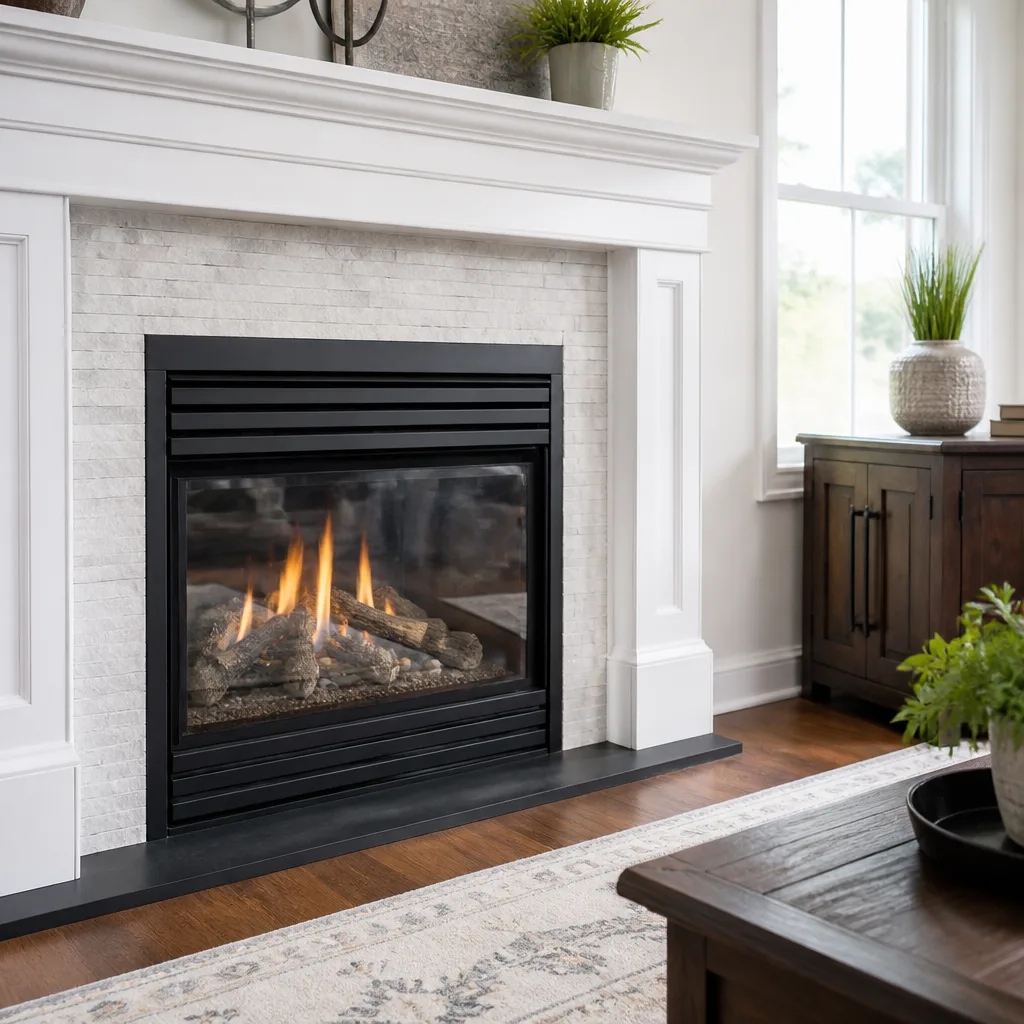 Gas fireplace service
Level 1 sweep and inspection to the NFPA 211 annual standard - flue, crown, cap, and flashing checked and photographed
Chimney sweep logs do not sweep chimneys. They loosen some creosote - which then falls where a brush and vacuum still have to collect it.
Chimney Cleaning Emergency Preparedness Guide for Broomfield Homes
Most homeowners think of chimney emergencies as sudden events: a frightening roar, a crack, a puff of smoke where it shouldn’t be. In our experience, the emergency itself is the last link in a long chain. The conditions that cause chimney fires and carbon monoxide events build up over months of ordinary burning, quietly, in a flue nobody has looked at since last winter. That’s why this guide treats preparedness as a maintenance discipline rather than a reaction plan. You’ll learn how to recognize an active chimney fire from inside the house, what to do in the first sixty seconds, how carbon monoxide fits into chimney risk, and what has to happen before the fireplace is safe to use again. We’ll also cover the pre-season steps that make a real emergency far less likely in Broomfield.
Quick Answer
Chimney emergency preparedness in Broomfield means three things: knowing how to identify an active chimney fire from inside your home, knowing the correct immediate response (close the damper, get everyone out, call 911), and having your flue inspected and cleaned before the heating season so the conditions that cause fires and carbon monoxide events never accumulate. A chimney that has had a suspected fire cannot be used again until a Level 2 inspection clears it.
Styles & brands we work with
- Sweep & inspection
- Caps & crowns
- Flue relining
- Masonry repair
- Gas fireplace service
Table of Contents
- Why Chimney Emergencies Build Up During the Season
- How to Identify an Active Chimney Fire From Inside the House
- The Correct Immediate Response to a Chimney Fire
- Carbon Monoxide Risks Specific to Chimney Systems
- What Must Happen Before the Chimney Can Be Used Again
- Pre-Season Emergency Readiness Checklist
- Broomfield Heating Season and What It Does to a Flue
- Common Mistakes to Avoid
Why Chimney Emergencies Build Up During the Season
A chimney fire isn’t caused by the log you put on the fire tonight. It’s caused by what accumulated in the flue over the weeks and months before that log went in. Creosote, the tarry byproduct of incomplete wood combustion, builds up in layers on the inside of the flue. Each layer is more combustible than the last. Fresh, light creosote ignites easily. Glazed, hardened creosote burns hotter and is far harder to remove. By midseason, a flue that was brushed clean in early autumn can carry a load of fuel that nobody has seen.
This is why timing matters so much. Homeowners who light the first fire of the season without an inspection are burning blind. The flue could be clear, or it could be carrying the residue of last season’s fires plus whatever the summer humidity did to it. In our experience, the first few weeks of the heating season are when the gap between “clean enough to use” and “safe to use” is widest, because nobody has looked.
Broomfield sits on the Front Range where temperature swings are sharp and heating seasons start with cold snaps rather than gradual cooling. That means the fireplace often gets fired up on the first genuinely cold evening, well before anyone has scheduled a sweep. The safer habit is to book the appointment before the cold arrives, so the flue is confirmed clear before the first fire.
None of this is meant to alarm. A well-maintained chimney is a safe chimney. The point is simpler: emergency preparedness starts months before any emergency. If you want the basics of a seasonal cleaning, our chimney sweep page walks through what a full sweep involves.
How to Identify an Active Chimney Fire From Inside the House
Chimney fires don’t always announce themselves with flames shooting from the top. Many burn quietly inside the flue, and homeowners mistake the signs for normal fireplace noise. Recognizing the difference is the single most valuable emergency skill you can build.
Here’s what usually distinguishes an active chimney fire from an ordinary fire:
- Sound. A low, steady roar or rumbling that doesn’t fade when the fire settles. Some people describe it as a distant train or a whooshing like wind through a tunnel. Normal fires crackle and pop; a chimney fire sounds more continuous.
- Smell. A sharp, hot, almost metallic smell in the room, or smoke that smells different from ordinary wood smoke. Sometimes it reads as burning tar.
- Sight from inside. Flames or sparks visible at the top of the firebox or rising up the flue that your usual fire doesn’t produce. Puffs of smoke escaping into the room from seams that normally don’t leak.
- Exterior evidence. Thick, dark smoke or flames rising from the chimney top, or a loud crackling audible from outside the house.
- The firebox itself. Damper or flue metal that feels uncharacteristically hot, or creosote debris dropping down the flue into the firebox.
One important note: the absence of visible flames above the roofline does not mean there’s no fire. A smoldering creosote fire can burn entirely inside the flue, and the only sign may be unusual heat or sound. If you’re genuinely uncertain, treat it as a fire and act accordingly. Better to overreact to nothing than to underreact to a real event.
If a chimney fire has happened, or you suspect one, the flue is not safe to use again until it’s been inspected. See chimney repair for what damage a fire can leave behind and how it gets assessed.
The Correct Immediate Response to a Chimney Fire
The single most dangerous instinct in a chimney fire is “wait and see.” A fire that seems contained one minute can spread to the roof structure, attic, or adjoining walls within minutes. The correct response is decisive. Here’s the sequence, in order:
- Close the damper if you can safely reach it. Shutting off the air supply limits the fire. Do this only if the damper handle is accessible without putting yourself near flames or thick smoke.
- Get everyone out of the house. Children, pets, elderly family members. Don’t stop for belongings.
- Call 911. Tell the dispatcher it’s a chimney fire, and give the address clearly. Chimney fires need professional assessment even if they seem to have stopped.
- Wait outside for the fire department. Don’t go back inside until they’ve cleared the structure.
- Don’t use water on the fire from inside. Water on a hot creosote fire can produce a violent steam reaction and push flames outward. Leave the extinguish work to the fire department.
- Don’t reopen the damper to “check.” The fire can reignite powerfully when fresh air rushes in.
If the fire is small and recently started and you can fully reach the damper without risk, closing it remains the priority. But once any visible fire, smell of hot tar, or unusual roaring is present, get out and call. Structure fires in Broomfield and throughout the Front Range typically start precisely because a homeowner chose to handle a chimney fire quietly and let it sit. We’ve seen enough post-fire flues to know how much damage a “small” fire can do before it’s discovered.
Carbon Monoxide Risks Specific to Chimney Systems
Fire is the visible hazard. Carbon monoxide is the invisible one, and it’s the reason a neglected chimney is a genuine safety issue, not just a maintenance chore. CO is colorless and odorless, and it can build up inside a home whenever a chimney fails to vent exhaust gases properly. There are three chimney-specific ways this happens:
Blocked flue
A bird nest, a crumbling liner, or a creosote buildup can obstruct the flue, so exhaust gases back up into the living space. A flue that was clear in spring may be blocked by the first cold snap, well before the first fire.
Downdraft events
A chimney drafts by drawing air up and out. When the pressure balance shifts (wind over the roof, temperature inversions, or a competing exhaust fan pulling air from another room) the draft reverses, and exhaust can spill into the room. Broomfield’s temperature swings and wind patterns make these events more common than most homeowners realize.
Cracked heat exchangers in zero-clearance units
Many newer homes use sealed, zero-clearance fireplaces and inserts, which rely on a metal firebox and venting rather than a masonry flue. A crack in the firebox or venting can leak CO directly into the room without any visible sign. The only reliable way to know is inspection.
Where to place CO detectors
- On every level of the home, and near every sleeping area.
- In the room with the fireplace or wood stove, but at least a few feet from the fireplace itself so ordinary combustion doesn’t trigger a false alarm.
- On the ceiling or high on the wall in rooms with gas appliances, since CO mixes evenly with air but tends to collect near heating sources.
- Test each detector at the start of the heating season, and replace units as the manufacturer recommends.
If any CO detector alarms, treat it as a real event: get out, and call 911 rather than the chimney company. Once the home is cleared, a certified inspection is the next step to find the cause.
What Must Happen Before the Chimney Can Be Used Again
After a suspected chimney fire, the flue is not safe to use again until a proper inspection clears it. The standard for this is a Level 2 inspection: a thorough internal and external evaluation that includes a camera inspection of the flue itself. A Level 1 inspection (visual only) isn’t sufficient after a fire, because the fire can damage the liner joints, the flue tile, or the cap in ways that aren’t visible from the firebox or the roof.
Here’s what a Level 2 inspection after a fire typically covers:
- The condition of the flue liner: cracks, spalling, or separated joints that let fire reach the framing.
- The chimney cap, crown, and the top of the flue, where heat damage often shows first.
- The firebox and damper assembly, which can warp or crack under extreme heat.
- The smoke chamber and any visible connection to an insert or appliance.
- The exterior masonry and any adjoining structure for heat transfer.
Once the inspection is complete, you’ll know whether the chimney needs a repair before it can be used again. That repair could be as simple as a new cap or as involved as restoring the firebox joints or relining the flue. We won’t tell you a chimney needs work without showing you the camera evidence, so you can see the problem yourself and make an informed decision. That’s the standard we check every job against: inspect before we recommend.
If the firebox itself has suffered damage, our fireplace repair service walks through how HeatShield restoration works. Restoring the joints and firebox surface is a genuinely restorative technique, not a cosmetic patch job, and it’s the kind of material spec that requires knowing the product line.
Pre-Season Emergency Readiness Checklist
Being ready for a chimney emergency is mostly about setting things up in the quiet months so that when the heating season starts, everything you’d need is already in place. Here’s a practical checklist you can work through before the first cold night in Broomfield:
Know your chimney type
- Masonry chimney with a clay tile liner: the traditional configuration, vulnerable to joint cracking and creosote buildup.
- Masonry chimney with a metal liner system: more common after a reline, and what most DuraFlex and similar systems are designed for.
- Factory-built or zero-clearance fireplace: a metal firebox with a specified vent, common in newer Broomfield construction. These need inspection for cracked components.
Knowing which one you have makes any emergency conversation clearer, both with us and with the fire department.
Have the emergency contacts ready
- Your fire department’s non-emergency number, and 911 at the top of the list.
- The number of a certified chimney sweep: ours is (866) 947-9222. We answer 24/7, with fast dispatch from 7am to 7pm, Sunday through Friday.
- Your homeowner’s insurance information, if a fire ever occurs, since insurers will ask for the chimney’s last inspection record.
Pre-arrange the season’s sweep and inspection
Book the annual cleaning and inspection before the heating season starts. That’s the single most effective preparedness step. A chimney that gets swept and inspected before the first fire almost never surprises anyone.
Stock the small essentials
- A CO detector that’s been tested.
- A fire extinguisher rated for the kitchen and hearth area.
- A fireplace tool set, and a metal ash can with a tight lid.
- A working flashlight, since power outages often come with the same cold snaps that trigger heavy fireplace use.
Know what to tell the fire department
If a fire does happen, the dispatcher will want to know: the address, the type of chimney (masonry or factory-built), whether the fireplace or a wood stove is involved, and whether anyone is still inside. Having those answers in your head before you ever need them saves seconds that matter.
For a full overview of who we are and how we handle each of the five service lines, see Broomfield Chimney Sweep.
Broomfield Heating Season and What It Does to a Flue
Broomfield sits at the edge of the Front Range, with a climate that’s dry, windy, and prone to fast temperature swings, especially in the shoulder seasons. The heating season tends to start abruptly on the first hard cold snap rather than gradually, and it runs well into spring in a typical year. What matters for chimney safety is how that pattern interacts with a flue.
Dry wood and rapid cooling cycles are a mixed bag. Dry wood is good: it burns more completely and produces less creosote. But the repeated fire-and-cooldown cycle of a busy heating season (a hot fire on a cold evening, then an overnight cool-down, then another fire) can stress the flue liner, opening small cracks that go unnoticed if nobody checks between seasons. The same dry climate that keeps the wood dry can make masonry work more brittle over time, especially around the crown and cap, which are the two most water-exposed parts of the chimney.
Wind is a specific factor in this area. Strong, shifting winds over the roofline can create downdraft events where exhaust spills back into the room, and a chimney with a degraded cap or a poorly fitted crown is more vulnerable to that backdrafting. Water entry is the leading cause of premature chimney deterioration, and the cap and crown are where water most often gets in. A dedicated cap and crown service is one of the five core service lines we handle, precisely because those are the two points general cleaners tend to leave unaddressed.
If you’re in Broomfield and your fireplace has been used heavily, a sweep and a Level 2 inspection is the safest possible starting point. For nearby communities, our chimney repair team also handles post-season repair assessment, and the same inspection-first approach applies.
Common Mistakes to Avoid
- Waiting to see what happens. The instinct to watch a suspected chimney fire and see if it “settles” is the single biggest cause of structure fires from chimney events. A hot creosote fire does not reliably extinguish itself, and every minute of waiting increases the spread to the roof framing.
- Burning without a pre-season inspection. A flue that’s clean enough in your memory may be blocked or loaded with creosote by the time cold weather arrives. Book a sweep first, not last.
- Ignoring the difference between a Level 1 and Level 2 inspection. After any suspected fire, a Level 1 visual check isn’t enough. You need the camera inspection, and you should see the evidence.
- Letting the cap or crown go. Water entering through a failed cap or crown is the leading cause of early deterioration, and it’s often invisible from the ground. Both are part of a full-system approach, not extras.
- Relying on a general handyman. A generalist can clean a firebox, but a chimney sweep who only does chimneys will catch liner damage and draft problems a generalist won’t. HeatShield restoration, for example, requires product knowledge to spec and install correctly, and it’s a technique many sweep-only businesses don’t offer.
- Putting the CO detector in the wrong place. A detector too close to the fireplace will alarm on normal combustion. Place it in the room, and on every level, so it actually does its job.
- Skipping the sweep because it “looks fine.” The dangerous part of a chimney is inside the flue, where you can’t see it. A seasonal cleaning is the only way to know.
See the difference
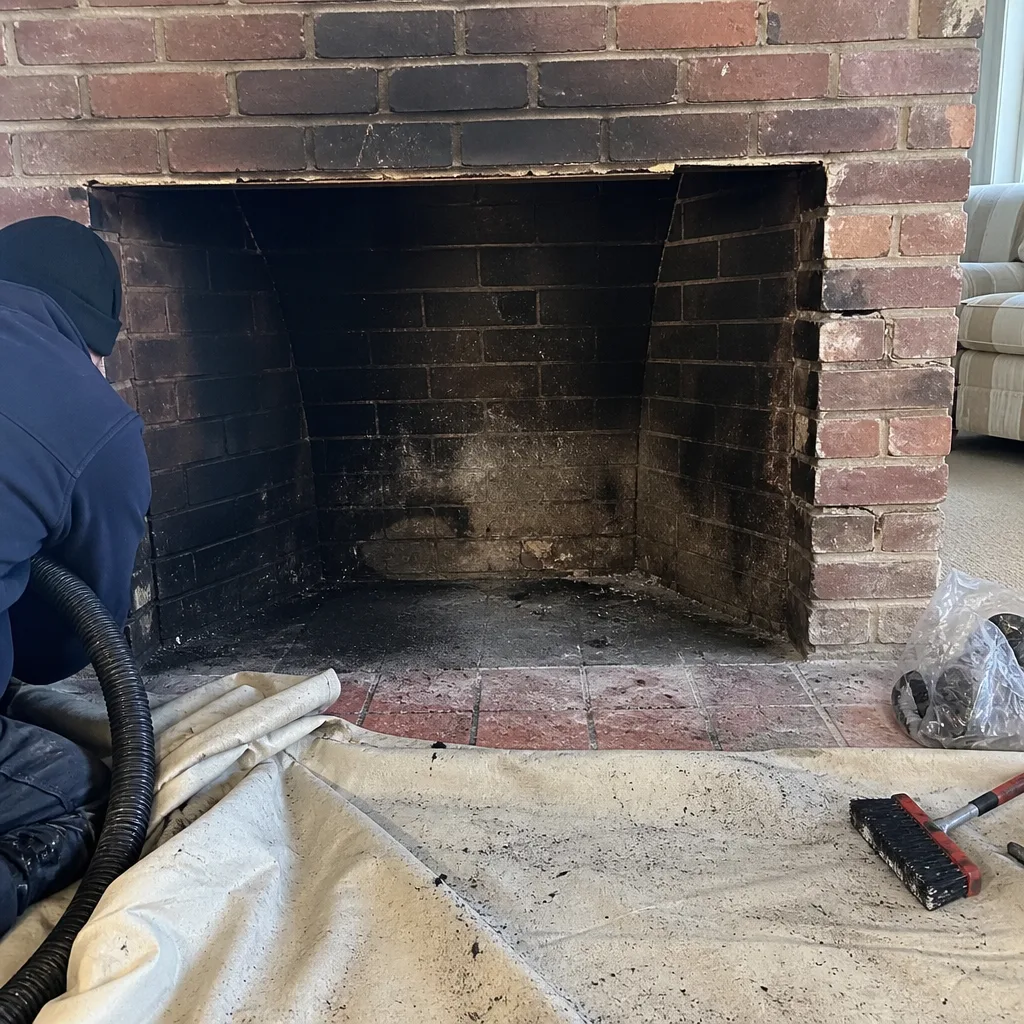 Before
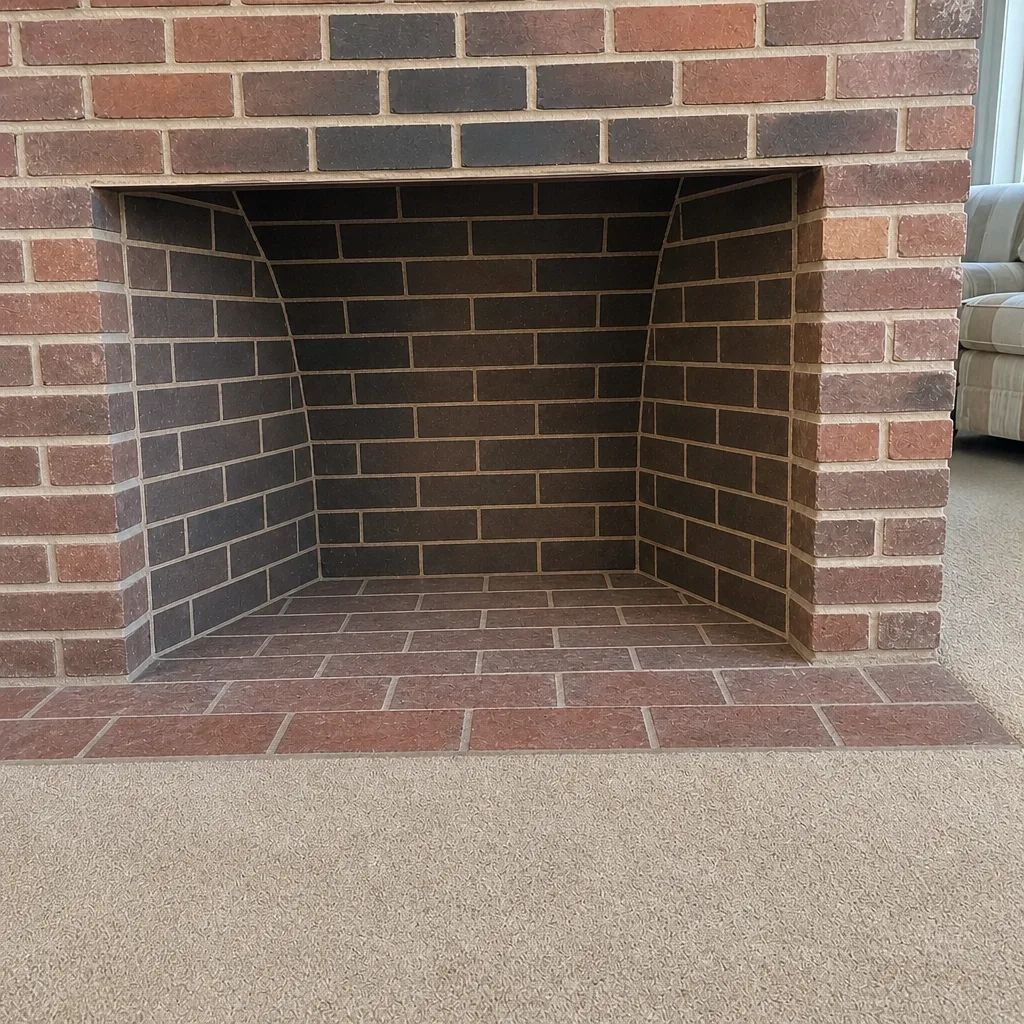 After
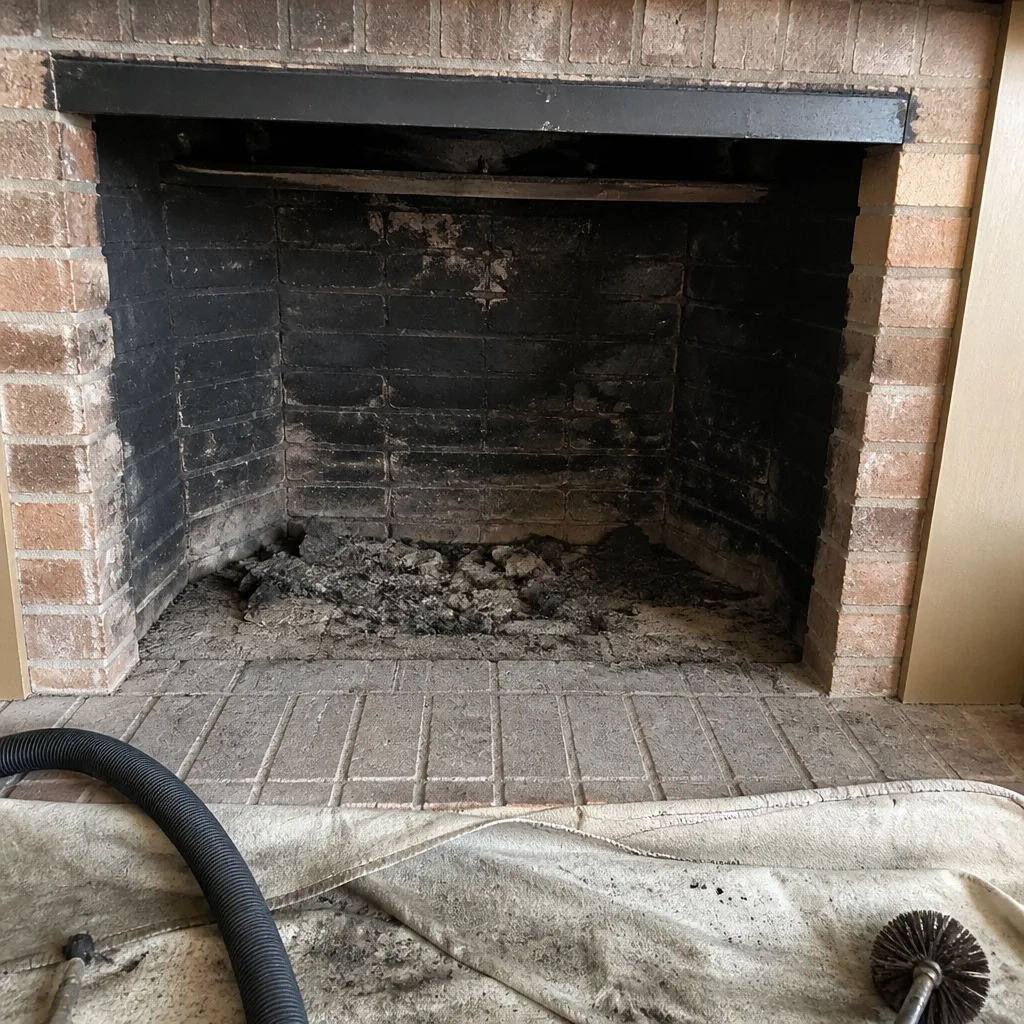 Before
 After
 Before
 After
When to Call a Professional
Call a professional chimney sweep if you’ve had a suspected chimney fire, if you smell smoke or a hot tar smell when the fireplace isn’t running, if the firebox metal feels hotter than usual, if a CO detector has alarmed, or if you simply haven’t had the flue inspected in more than a year. The same is true if you’ve bought a home and don’t have a service record for the chimney, or if you’ve noticed water stains, a loose cap, or spalling masonry on the exterior.
For an active fire, call 911 first and get everyone out. Once the house is clear, call a sweep for the post-fire inspection. For everything else, a scheduled inspection is the right first move. Broomfield Chimney Sweep offers free estimates in Broomfield. Call (866) 947-9222. We answer 24/7, with fast dispatch from 7am to 7pm, Sunday through Friday.
Frequently Asked Questions
It usually sounds like a low, steady roar or rumbling, sometimes described as a distant train or wind through a tunnel. Unlike the normal crackle and pop of a wood fire, a chimney fire’s sound tends to be continuous and doesn’t fade as the fire settles. If you hear it and also smell hot tar or see smoke escaping where it shouldn’t, treat it as a fire: close the damper if you can safely reach it, get everyone out, and call 911. Call (866) 947-9222 afterward for the inspection and repair.
Yes. After any suspected chimney fire, a Level 2 inspection is the standard, and it involves a camera inspection of the flue. A visual Level 1 check can’t see liner cracks, separated joints, or heat damage inside the flue, and those are exactly the defects a fire leaves behind. Don’t relight the fireplace until a certified professional has inspected the flue and cleared it. Call (866) 947-9222 to book the inspection.
Yes. A blocked flue, a downdraft event, or a cracked heat exchanger in a zero-clearance unit can let CO enter the home even when the fireplace isn’t running, particularly if a competing exhaust fan or wind pattern pulls air down the flue. This is why CO detectors on every level, tested at the start of each heating season, are so important. If a detector alarms, get out and call 911. Then book a chimney inspection with us at (866) 947-9222.
Once a year is the general standard, and more often if you burn wood heavily through the heating season. Broomfield’s dry, windy climate means creosote can build up quickly and the flue can be stressed by the fire-and-cooldown cycle of an active season. A pre-season sweep and inspection is the safest habit. Call (866) 947-9222 to schedule yours before the first cold snap.
Smoke in the room with no fire usually points to a drafting problem: a blocked flue, a downdraft event, or a pressure imbalance that’s pulling exhaust back into the house. It’s not a 911 call unless there’s a fire or a CO alarm, but it’s not something to ignore. Get the chimney inspected before the next burn, and if you have a CO detector, check it. Call (866) 947-9222 for an inspection and we’ll trace the cause with a camera.
For the inspection and the emergency assessment, you want a specialist. A generalist can clean a firebox, but identifying liner damage, checking a zero-clearance firebox, and specifying a HeatShield or DuraFlex repair requires product knowledge a generalist typically doesn’t have. A chimney sweep who handles the full system, from sweep and inspection through cap, crown, and liner repair, is the right call. Broomfield Chimney Sweep handles all five service lines in one place. Call (866) 947-9222 for a free estimate.
The Bottom Line
Chimney emergencies are rarely sudden. They start the season before, when the conditions went unaddressed. The three habits that prevent the most dangerous outcomes are simple: get the sweep and inspection done before the first fire, know the three signs of an active chimney fire (the roar, the hot tar smell, the smoke where it shouldn’t be), and call 911 immediately if you suspect one, rather than waiting to see. Add a working CO detector on every level and a cap and crown that shed water, and you’ve closed the gaps most Broomfield homeowners leave open. Emergency preparedness, for a chimney, is really just maintenance done on time.
Contact
Chimney systems deserve a specialist who handles the whole thing, from your first annual sweep through a full crown rebuild. We inspect before we recommend, every time, and we show you the camera evidence so you can decide for yourself whether that liner or masonry repair is truly needed or can safely wait. We source trade-grade materials (DuraFlex liner systems, HeatShield firebox restoration, Gelco and Famco caps) because the materials matter as much as the labor. Broomfield Chimney Sweep offers a free estimate, and you’ll deal with one company from diagnosis through completed repair. Call (866) 947-9222 to schedule. We answer 24/7, with fast dispatch from 7am to 7pm, Sunday through Friday.
Written by the team at Broomfield Chimney Sweep.